
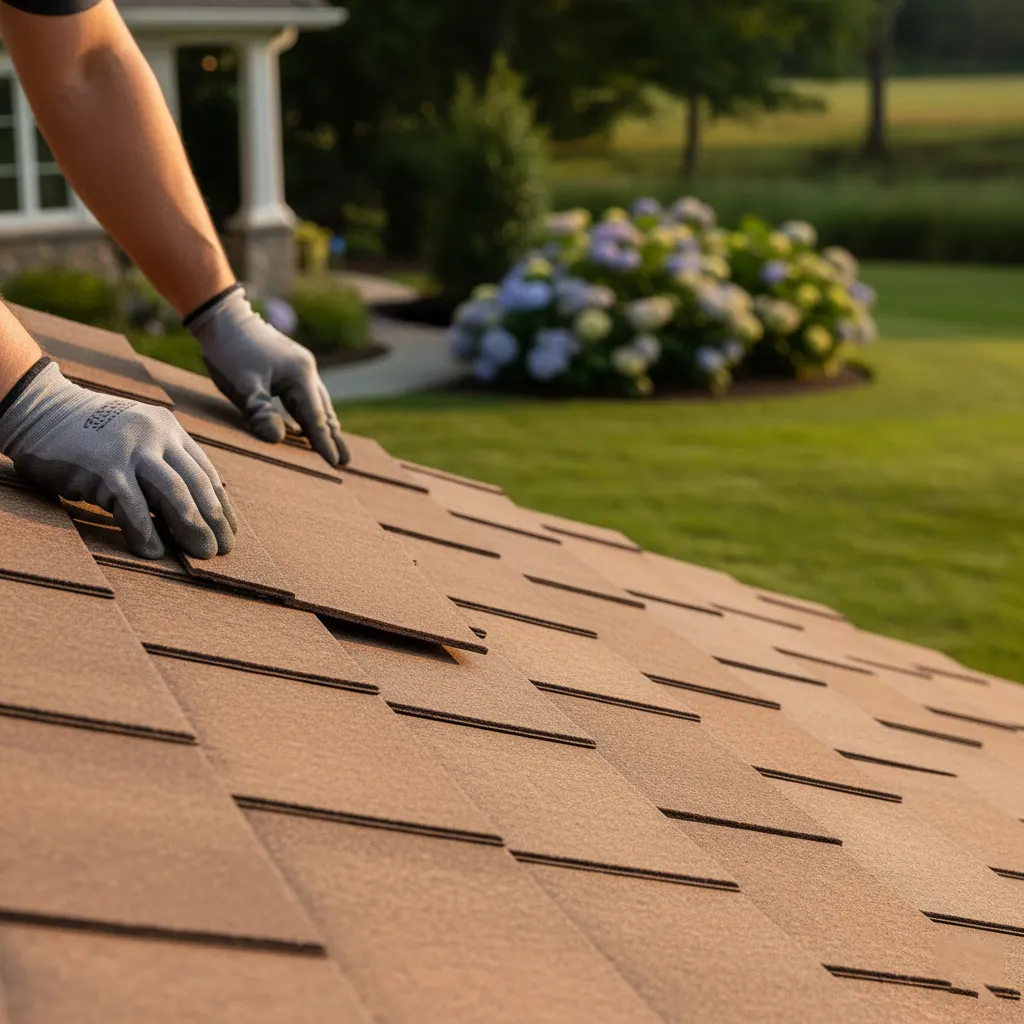


⚡ TL;DR: This guide equips Richmond homeowners with step-by-step roof inspection checklists for exterior and interior checks, tailored to local climate demands and early damage signs.
📋 What You’ll Learn
In this ultimate roof inspection guide for Richmond homes, you’ll discover why local weather demands vigilance, spot early damage signs, master DIY checks safely, follow pro checklists, and learn from real rescues.
- Grasp why Richmond's climate demands inspections from humid summers, heavy storms, and freeze-thaw cycles that accelerate shingle wear, moss growth, and structural vulnerabilities unique to VA roofs.
- Spot urgent signs your roof needs checking like missing granules, curling shingles, attic stains, or sagging areas signaling leaks, rot, or imminent failure before costly repairs hit.
- Gather tools and safety for DIY inspections including ladders, binoculars, moisture meters, harnesses, and protocols to avoid falls while assessing your roof without professional help initially.
- Follow step-by-step exterior checklists to examine shingles, flashing, vents, gutters, and edges systematically, catching issues like cracks, loose debris, or poor ventilation early on.
- Detect interior leaks and hidden damage through ceiling spots, mold, insulation issues, plus a case study of averting total failure in a local Richmond home.
📖 Reading time: 8 min
✍️ Author expertise: Richmond roofing pro with 20+ years of hands-on inspections in local homes.
Imagine this: a fierce thunderstorm rolls through Richmond, and suddenly water's dripping from your bedroom ceiling. That sickening drip-drip-drip isn't just annoying—it's a sign your roof's screaming for attention you ignored.
In our humid summers and icy winters here in VA, roofs take a brutal beating from storms, humidity, and tree debris. Skip a proper inspection, and you're handing thousands of dollars to repair crews instead of catching issues early.
We've seen it time and again with local homes just like yours. Grab the checklist in this guide, and you'll spot leaks, damage, and wear before they turn into disasters.

Why Richmond's Climate Demands Frequent Roof Inspections
Richmond's weather hits roofs hard. Think scorching humid summers that breed algae and mold on shingles. Then come those brutal winters with ice dams that lift shingles right off.
Storms roll in fast here too. Heavy rains from Atlantic fronts pound your roof, while high winds snap branches onto it. Tree debris piles up quick in our leafy neighborhoods, trapping moisture that rots everything underneath.
- Humidity spikes: Softens shingles, speeds up granule loss.
- Freeze-thaw cycles: Cracks roof materials like crazy.
- Tropical storm remnants: Floods valleys between shingles.
Inspect twice a year minimum. Spring after winter damage. Fall before the next storm season. Catch it early, save your wallet big time.
Key Signs Your Roof Needs Inspection Now
Spot these red flags fast. Your roof won't send you a polite email. It'll scream through damage you can see right now.
Outside, check for missing or curling shingles. Richmond's high winds rip them off during storms. Granules in your gutters? That's your asphalt roof shedding like a snake.
Exterior Warnings You Can't Ignore
- Cracked or buckling shingles from summer heat expansion.
- Sagging areas signaling weak spots or water damage underneath.
- Excessive moss or algae growth thriving in our humid air.
- Damaged flashing around chimneys and vents, prime leak starters.
Inside, don't miss ceiling stains or peeling paint. Those dark spots mean water's already invaded. Musty smells in the attic? Mold's setting up shop.
Interior Clues That Spell Trouble
- Water marks or bubbles on walls and ceilings.
- Daylight peeking through roof boards in the attic.
- Soft or rotting wood around pipes and vents.

Essential Tools and Safety Tips for DIY Checks
Before you climb a ladder, grab the right gear. Skip this, and you're risking slips or missing key damage. Here's what you need for a solid check.
Tools That Make Spotting Issues Easy
- Binoculars: Scan the whole roof from the ground. No ladder required for the first pass.
- Flashlight or headlamp: Peek into dark attic spots or under shingles.
- Digital camera or phone: Snap photos. Compare later or show your roofer.
- Sturdy extension ladder and gloves: For closer looks. Rubber-soled shoes grip better.
- Moisture meter: Cheap ones detect hidden dampness inside.
Safety first, always. Richmond roofs get slick after rain or with moss buildup. One wrong step means hospital bills, not home fixes.
Smart Safety Moves to Stay Safe
- Inspect on dry days. Wet roofs are death traps.
- Work with a buddy. They spot hazards you miss.
- Secure your ladder on flat ground. Angle it right, per the three-foot rule.
- Steer clear if your roof's steep or damaged. Call pros immediately.
- Wear a harness for any roof walking. Tie off to something solid.
Follow these, and you'll finish the job without drama. Pros use the same basics before quoting repairs.
Step-by-Step Exterior Roof Inspection Checklist
Park yourself 20 feet back from your house on a clear day. Grab binoculars if you hate heights, or a sturdy ladder if you're feeling bold. This quick walk-around catches 80% of problems before they bite.
Scan the Shingles and Tiles First
Look up at the slope. Spot any missing, cracked, or curling shingles? Those are prime leak suspects after our Richmond windstorms.
- Check for bald spots where granules are gone. That's your asphalt armor wearing thin.
- Dark streaks or moss? Humidity's favorite playground—scrape it off or call pros.
- Loose tabs flapping? Nail 'em down fast, or watch them sail in the next gale.
Zero In on Flashing and Vents
Circle to chimneys, skylights, and vents. Rusty or pulled-back flashing means water's sneaking in. Probe gently with a stick—no heroics.
- Gutters overflowing or sagging? Clogged with oak leaves again—clear 'em now.
- Ridge vent damaged? Poor airflow breeds attic mold in our muggy summers.
- Overhanging branches rubbing? Trim 'em, or they'll scrape your roof raw.
Finish by eyeing the edges and valleys. Buckled areas there pool water like a kiddie pool. Snap photos of anything funky for your records.
Interior Inspection: Spotting Hidden Leaks and Damage
Head straight to your attic. That's where roof problems hide in plain sight. Grab a flashlight and mask up against dust.
Water Stains and Discoloration
Scan ceilings first from below. Yellowish-brown spots scream old leaks. Fresh drips mean active trouble.
- Dark patches on walls or ceilings: Rust from metal flashing failures.
- Mold growth: Black spots thriving on trapped moisture.
- Peeling paint: Water weakening the surface underneath.
Structural Red Flags
Climb into the attic if safe. Check rafters for dark streaks or rot. Soft spots in insulation signal deep damage.
Push gently on beams. Daylight peeking through? Your roof's breached. Note everything with photos for your records.
Case Study: How We Saved a Richmond Home from Total Roof Failure
Picture the Patels, a busy family in the Fan District. They spotted granules piling up in their gutters last spring but brushed it off as normal wear. By fall, after a brutal nor'easter dumped inches of rain, their attic light fixture started sweating water. Panic set in.
We rushed over for a full inspection. Binoculars from the ground revealed buckled shingles and missing flashing around the chimney. Up close on the roof? Soft spots underfoot signaled rot eating through the decking. Inside, yellow stains on ceiling joists screamed hidden leaks.
The Fix That Saved Thousands
- Replaced 15% of damaged shingles instead of the whole roof.
- Sealed valleys and reinforced flashing with ice-and-water shield.
- Fixed attic ventilation to stop future moisture buildup.
Total bill? Under $4,000. A full tear-off and replacement would've hit $18,000 easy. The Patels slept dry through winter, and their home value stayed intact. Spot those signs early, folks. It pays off big.
Final Words
Your roof isn't just shingles and nails. It's your home's shield against Richmond's wild weather. Spot problems early, and you dodge those wallet-draining surprises.
DIY checks beat ignoring the issue every time. But for the full picture? Call in pros who climb up there daily.
Ready to protect your home right? Dive deeper into our Roof Inspection services, or grab your phone now. One inspection today saves you a fortune tomorrow.
People Also Ask
How often should I inspect my roof in Richmond, VA?
In Richmond's humid subtropical climate with frequent storms and heavy rains, experts recommend inspecting your roof at least twice a year—spring and fall—plus after any major weather events. Annual professional inspections can catch issues early, preventing costly repairs from humidity-driven mold or storm damage. Regular checks extend your roof's lifespan in this demanding environment. Authoritative guidance: moisture control.
What are the most common signs of roof damage in Richmond homes?
Look for missing or curling shingles, granule loss in gutters, and dark streaks from algae due to high humidity. Interior signs include water stains on ceilings or walls after heavy rains common in Richmond. Sagging areas or daylight visible through the roof indicate urgent structural issues.
Can I perform a DIY roof inspection safely?
Yes, with proper tools like binoculars, a ladder, and non-slip shoes, but prioritize safety by avoiding steep pitches or wet conditions. Focus on visual checks from the ground and edges without walking on the roof if possible. For thorough assessments or steep roofs, hire a Richmond professional to avoid falls.
How do I spot hidden leaks during an interior roof inspection?
Check attics for water stains, mold, or damp insulation on rafters and sheathing. Look for rust on nails or cracks in drywall from Richmond's frequent downpours. Use a flashlight to trace musty odors or soft spots back to the source.
When should I call a professional roofer for inspection in Richmond?
Call immediately if you see major shingle damage, leaks, or after storms like hurricanes that hit the area. Professionals use drones and infrared tech for safe, detailed checks beyond DIY capabilities. In Richmond, local experts understand regional issues like ice dams and provide warranties on inspections.
Need Roofing Services?
Fast roof repairs and replacements in Richmond, VA and nearby areas (23220, 23221, 23222, 23223, 23225), delivering leak-proof protection quickly.
Get Roof Quote