


⚡ TL;DR: When planning a roof installation in Reno, homeowners should prioritize materials that withstand intense UV exposure, extreme thermal shifts, and high wind speeds to ensure long-term structural integrity.
📋 What You’ll Learn
Choosing the right roofing material in Reno requires balancing intense UV exposure with extreme temperature swings. This guide helps you navigate high-altitude requirements to ensure your roof remains durable and efficient.
- Analyze local climate impacts on your home by understanding how intense solar radiation and high-altitude thermal shock accelerate the degradation of standard roofing materials over time.
- Compare performance metrics between metal and asphalt systems to determine which material better withstands the unique wind loads and weather cycles common in the high desert.
- Prioritize essential fire safety by evaluating why Class A ratings are non-negotiable for properties situated within the wildfire-prone wildland-urban interface of Northern Nevada's diverse mountainous terrain.
- Optimize energy efficiency gains by selecting high-reflectivity materials that combat the thin, harsh Reno atmosphere, helping you maintain a comfortable interior temperature while reducing your monthly utility costs.
📖 Reading time: 7 min
✍️ Author expertise: Master roofer with two decades of experience installing durable roofs across Reno, Nevada.
Living at 4,500 feet means your roof is fighting a war against the sun, wind, and wild temperature swings that most homeowners never even consider. Most people think a roof is just a roof, but here in Reno, installing the wrong material is a shortcut to a leaking mess within just a few short years.
The high-altitude UV intensity up here doesn't just age shingles; it cooks them until they turn brittle and crack. If you want your next roof to actually survive the high desert, you have to choose materials that aren't just pretty, but battle-tested for our specific environment.
Before you commit to a contractor or sign a contract for your roof installation, here is how to identify the only materials tough enough to stay put while the rest of the neighborhood starts tearing theirs off.

The Reno Climate Challenge: Understanding UV Degradation and Thermal Shock
Reno sits at a unique intersection of high desert heat and alpine cold. When the sun beats down on your home at 4,500 feet, the ultraviolet rays are significantly more intense than at sea level. This relentless UV radiation attacks the chemical bonds in roofing materials, causing them to lose their protective granules and become brittle long before their warranty expires.
Then, the sun goes down. In the high desert, temperatures can plummet by 40 degrees or more in just a few hours. This rapid shift triggers thermal shock, a process where your roof materials expand in the heat and contract violently in the cold. It acts like a pair of pliers bending a piece of metal back and forth until it snaps.
If your roofing material cannot handle this constant "breathe and crunch" cycle, you are looking at:
- Micro-cracks that form in the protective coating.
- Structural failure at the seams where fasteners loosen.
- Water intrusion points that hide beneath your shingles until the next big storm.
You need to think about your roof not as a static shield, but as a dynamic component that moves with the Reno weather. Materials that remain flexible under extreme temperature swings are the only ones that belong on your home.
Asphalt Shingles vs. Metal Roofing: A Performance Comparison for High Deserts
Let’s talk about the heavyweights in the Reno roofing market. For decades, asphalt shingles have been the go-to choice because they are cheap and easy to slap on, but they pay the price in our high-altitude sun. At 4,500 feet, the UV rays act like a blowtorch, baking the oils out of standard shingles until they curl, crack, and shed granules like an old rug.
If you live in an area prone to heavy sun exposure, you need to be honest about the trade-offs:
- Asphalt Shingles: They are budget-friendly up front, but the "thermal shock" of moving from a 90-degree afternoon to a 40-degree night causes them to expand and contract until they fail prematurely.
- Metal Roofing: This is the gold standard for our region. Metal reflects the sun rather than absorbing it, and it isn't bothered by the wild temperature swings that destroy organic roofing materials.
Metal roofing isn't just an aesthetic upgrade; it’s a defensive play. While asphalt might start looking tired after five or seven years in the Nevada sun, a standing seam metal roof will sit there for decades without breaking a sweat. If you want to stop calling a repairman every time a big storm rolls over the Sierra, metal is the only serious contender for your home.

Why Class A Fire Ratings Are Non-Negotiable in Northern Nevada
If you live in the Reno area, you already know that wildfire season isn't just a possibility—it's a recurring reality. Dry brush and high winds create the perfect storm for embers to travel miles before landing on your property.
Your roof is the first line of defense against these airborne threats. That is why a Class A fire rating is the single most important specification for any roof installation in our region.
This rating is the gold standard for fire resistance. It proves that your roofing material can withstand severe test fires without spreading flames or allowing burning debris to penetrate your home's structure.
What You Need to Know About Fire-Rated Materials
Don't gamble with your family's safety by opting for cheaper, lower-rated alternatives. When shopping for materials, insist on the following:
- Metal roofing systems, which are naturally non-combustible and provide the highest level of protection.
- Composite shingles designed specifically to meet the rigorous UL 790 Class A testing standards.
- Clay or concrete tiles, which offer excellent fire resistance, provided your roof structure can handle the significant weight.
Think of your roof as an expensive insurance policy that stays on duty 24/7. Even if your neighbors aren't worried, you have to be the one who takes fire safety seriously.
When you choose a Class A rated material, you aren't just checking a box on a permit. You are choosing to keep your house standing while everything else around it might be at risk.
The Impact of High-Altitude Wind Loads on Material Selection
Reno isn't just sunny; it's home to aggressive wind patterns that can turn an improperly fastened roof into a neighborhood hazard. When you live at high elevation, wind speeds don't just pick up, they slam into your structure with dynamic force that tests the limits of your shingles and their fasteners.
If your roofing material isn't rated for high-velocity gusts, you are essentially gambling with your equity. We have seen too many homes lose entire sections of roofing after a spring storm because the installers used standard nailing patterns meant for sea-level climates.
To keep your roof attached during our infamous Sierra wind events, consider these critical factors:
- Wind Warranty Speed: Look for materials tested to withstand at least 110-130 mph winds.
- Fastener Density: High-altitude installations require extra nails per shingle to ensure they hold firm against uplift.
- Starter Strips: These must be installed with industrial-grade adhesive to prevent the edges from peeling back during high-pressure gusts.
Metal roofing frequently outperforms asphalt in these conditions because of its inherent structural integrity. When panels are locked together or screwed down properly, there simply isn't a loose flap for the wind to grab onto.
If you choose asphalt, don't skimp on the quality of the matting or the installation technique. A high-wind rated shingle is only as good as the technician holding the nail gun, so verify that your contractor follows enhanced fastening protocols specifically designed for mountain exposure.
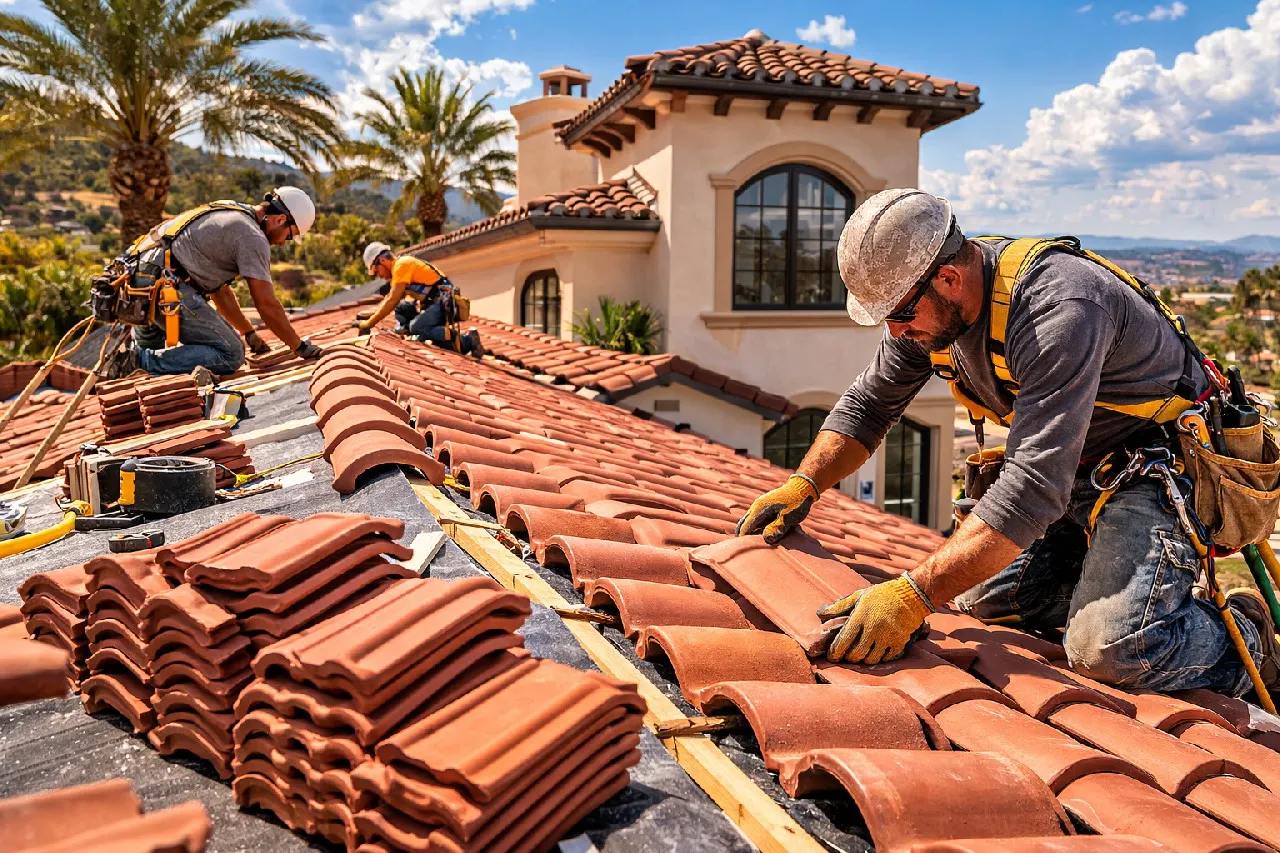
5. Case Study: Protecting a Mountain-View Property from Alpine Weather Extremes
Consider a client we worked with recently near the base of Mount Rose. Their property was hit by 80-mph gusts during a winter storm, followed by intense, high-altitude sun exposure that baked the southern slope all summer.
The original roof, installed by a budget contractor, was suffering from thermal shock. The shingles were literally curling and popping off because they couldn't handle the rapid expansion and contraction caused by our daily temperature swings.
We swapped their failing system for a standing seam metal roof. Here is why that choice saved their property:
- The concealed fastener system locked the panels down, preventing the wind from getting underneath and prying them loose.
- The metal material expanded and contracted with the temperature, unlike asphalt which simply cracks when it gets cold and brittle.
- The high-reflectivity coating reduced the heat transfer into the attic, keeping the home cool even during our hottest August afternoons.
The result was a roof that looks as good today as it did on day one. By investing in high-performance materials designed for alpine conditions, the homeowner stopped worrying about every storm report and started enjoying their view.
Energy Efficiency and Reflectivity: Cooling Your Home at 4,500 Feet
At Reno’s elevation, the sun hits with a direct, unfiltered intensity that turns standard asphalt roofs into literal heat sponges. When your roof absorbs that energy, it radiates directly into your living space, forcing your air conditioning to run double-time just to keep the house habitable.
To stop this, you need to think about solar reflectance. You want a material that acts like a mirror rather than a heat trap, bouncing those harsh UV rays back into the atmosphere instead of soaking them into your attic insulation.
The Benefits of Cool Roofing Tech
Modern roofing materials now come with specialized pigments designed for high-altitude environments. By choosing a cool roof product, you can see immediate changes in your home comfort and utility bills.
- Lower Surface Temperatures: High-reflectivity materials can stay up to 50 degrees cooler than traditional dark shingles.
- Extended Lifespan: Less heat means less thermal expansion and contraction, which prevents the material from warping or cracking over time.
- Reduced HVAC Load: Your cooling system won't have to cycle as frequently, saving you money on monthly energy costs.
Think of it as adding a permanent shade tree over your house. While your neighbors are struggling with "oven effect" attics during July, a reflective roof keeps your home naturally cooler, protecting your wallet and your interior finishings from the extreme dry heat of the high desert.
Final Words: Investing in Longevity for Your Reno Roof Installation
Choosing a roof in Northern Nevada isn't a simple aesthetic choice. It is a long-term financial strategy to protect your most valuable asset from 4,500 feet of harsh exposure.
When you prioritize materials engineered for high-altitude survival, you stop paying for frequent patches and start building equity. A solid roof installation shouldn't be something you worry about every time the wind gusts exceed thirty miles per hour.
If you want to stop gambling with your roof's lifespan, look at the math behind your investment:
- Material durability: Don't settle for the cheapest option. Look for high-impact ratings that save you thousands in future insurance deductibles.
- Installer experience: Even the best metal or shingle product fails if the crew doesn't know how to handle high-altitude flashing details.
- Long-term warranty: Always verify that your manufacturer covers UV degradation, not just simple defects.
You can find more detailed information on our process and material standards on our Roof Installation page. Stop looking at your roof as a basic house part and start seeing it as a shield.
The right system stays on when the storms hit. The wrong one ends up in your neighbor's yard, leaving you with a mounting repair bill and a massive headache.
People Also Ask
What is the best roofing material for Reno's climate?
Metal roofing is widely considered the best option for Reno because of its exceptional durability against high UV exposure and resistance to thermal shock. Asphalt shingles are a popular alternative, but they must be high-quality, impact-resistant variants to survive the extreme temperature swings of the high desert.How does high altitude affect roof longevity?
At 4,500 feet, the atmosphere is thinner, leading to significantly higher UV radiation levels that accelerate the degradation of roofing materials. Additionally, extreme temperature fluctuations between day and night cause materials to expand and contract rapidly, which can lead to premature cracking or splitting if the roof is not properly installed.Why is a Class A fire rating important in Northern Nevada?
Given the dry, arid environment of the Reno-Tahoe area, wildfire risk is a constant concern for homeowners. A Class A fire rating is the highest level of protection, ensuring your roof material is specifically tested to resist flame spread and sparks from nearby wildfires.Are metal roofs noisy during Reno snowstorms?
When installed correctly with proper insulation and solid roof decking, metal roofs are not noticeably louder than other roofing materials during precipitation. Modern installation techniques and attic insulation effectively dampen sound, providing a quiet interior environment even during heavy mountain snow or hail.How do I know if my roof can handle high wind loads?
In Reno, where wind gusts can be intense, it is vital to select materials with high wind-uplift resistance ratings and ensure they are installed using reinforced fastening patterns. Consulting with a local roofing professional ensures your roof meets or exceeds regional building codes designed for high-wind alpine conditions.Need Roofing Services?
Fast roof repairs and replacements in Reno, NV and nearby areas (89502, 89509, 89511, 89434), delivering leak-free protection quickly.
Get Roof Quote