
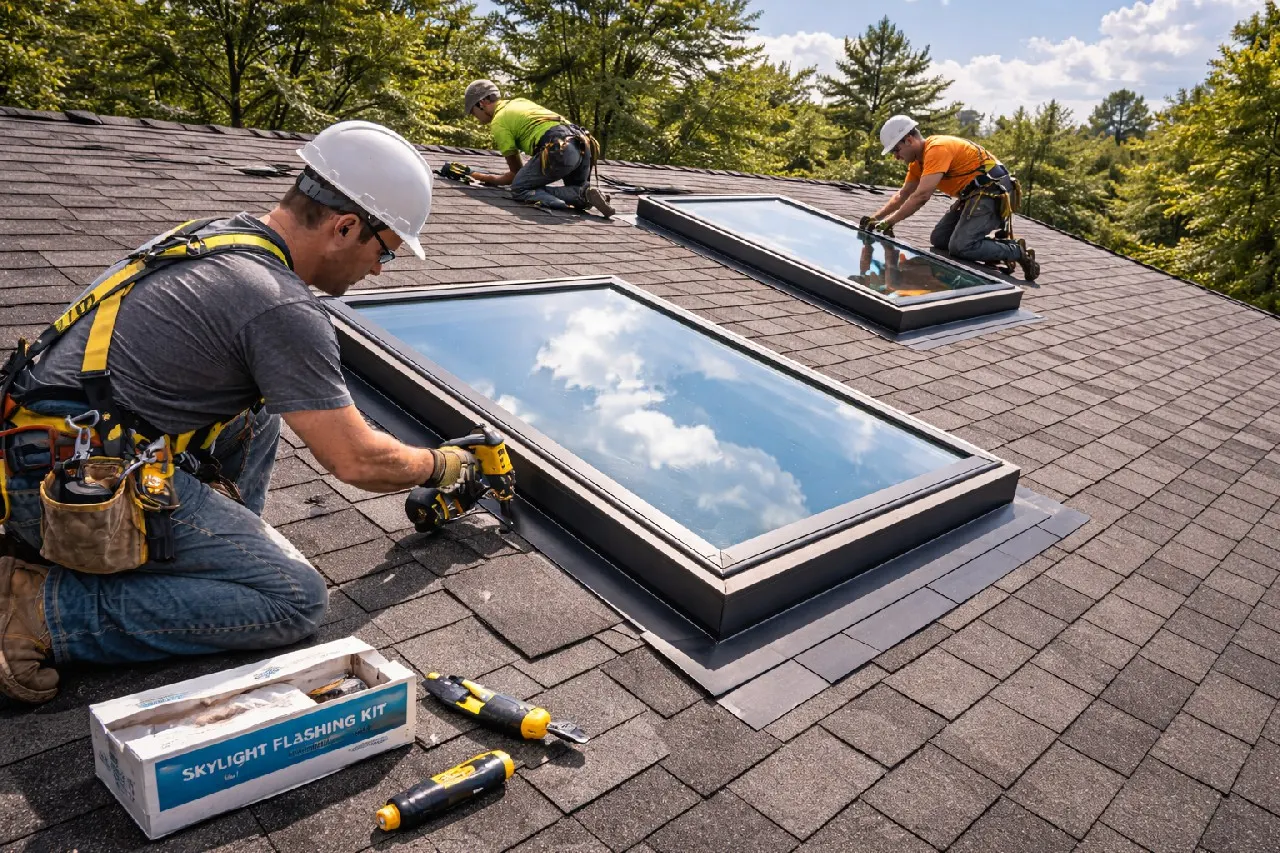


⚡ TL;DR: This roof inspection checklist for Port St. Lucie homes guides homeowners through safety tools, exterior and interior checks, plus local humidity and hurricane risks to spot damage early.
📋 What You’ll Learn
In this roof inspection checklist for Port St. Lucie homes, you’ll master DIY steps to spot damage, ensure safety, address local hazards like hurricanes and humidity, and prevent costly repairs.
- Master essential tools and safety precautions to safely inspect your roof without risks, using binoculars, ladders, and gear tailored for Florida's challenging conditions.
- Spot ground-level exterior issues first by checking for sagging, debris buildup, gutter damage, and tree overhangs that signal bigger problems before closer looks.
- Examine shingles, flashing, and vents closely to detect cracks, missing pieces, moss growth, and seal failures common in humid Port St. Lucie climates.
- Scan attic and ceilings for hidden leaks uncovering insulation damage, mold, structural weaknesses, and water stains that exterior checks often miss entirely.
- Tackle local hurricane and humidity hazards with prep tips, real case studies, and strategies to fortify your roof against Port St. Lucie storms.
📖 Reading time: 7 min
✍️ Author expertise: Port St. Lucie roofer with 20+ years of hands-on roof inspections from hurricane seasons.
That brutal afternoon thunderstorm just ripped through Port St. Lucie, leaving your roof battered and your mind racing with worst-case scenarios.
A single overlooked shingle or hidden leak could turn into thousands in repairs, especially with Florida's relentless sun and surprise downpours pounding homes like yours.
Grab this no-nonsense roof inspection checklist tailored for Port St. Lucie properties, and spot trouble before it costs you big.
We'll walk you through every critical step right now.
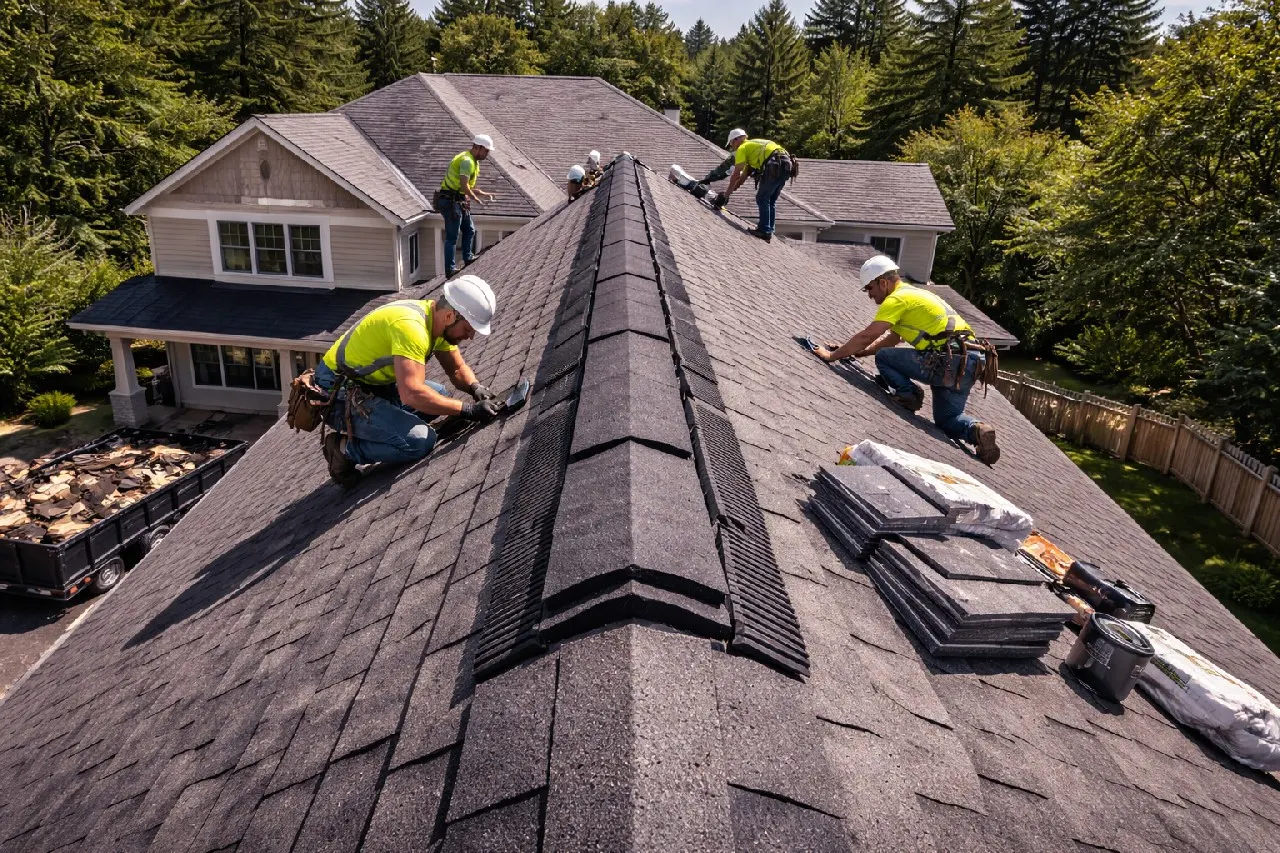
Essential Tools and Safety Precautions for Your Inspection
Before you climb a single rung, gear up right. Wrong tools mean missed damage. Bad safety choices could land you in the ER instead of spotting that loose shingle.
Grab These Must-Have Tools
- Sturdy extension ladder rated for your weight, with rubber feet for grip on wet grass.
- Binoculars for ground-level scans of hard-to-reach spots.
- Flashlight or headlamp to pierce attic shadows.
- Gloves, knee pads, and a camera to document every flaw.
- Moisture meter if you suspect hidden water damage from our humid air.
Safety first, always. Port St. Lucie's heat and sudden rains make roofs slicker than ice. Skip the inspection if winds howl over 15 mph or after a downpour.
Lock In These Safety Rules
- Wear non-slip boots, helmet, and eye protection. No shortcuts.
- Have a spotter below to steady the ladder and yell warnings.
- Never straddle ridges or work alone. Test every ladder placement twice.
- Stay hydrated. Heatstroke sneaks up fast down here.
Ground-Level Exterior Check: What to Spot First
Before you even think about ladders, circle your Port St. Lucie home like a hawk eyeing dinner. This ground scan catches 80% of roof killers without risking a single step up. Miss this, and you're blind to the real threats lurking above.
Start with Gutters and Drainage
Clogged gutters overflow fast in our heavy rains. Look for sagging sections, rust streaks, or plants sprouting like weeds.
- Water stains on siding? That's overflow eating your foundation.
- Downspouts crushed or disconnected? Flood city next storm.
- Pool of standing water? Redirect it now, or watch rot spread.
Shift to the edges. Fascia boards warped from humidity? Soffits with holes letting critters in? Jot it down. These feed straight into bigger roof disasters here in Florida.
Glance up at the chimney or vents too. Cracks or leaning? Prime leak suspects after wind blasts.
Close-Up Roof Surface Inspection: Shingles, Flashing, and Vents
Time to climb that ladder. Secure it firm on flat ground, three points of contact always. One slip here, and you're done for the day.
Shingles: Hunt for the Weak Spots
Scan every slope top to bottom. Look for granule loss - that gritty black stuff piling up in gutters means your shingles are aging fast under Florida sun.
- Missing or broken tabs? Patch 'em quick or call pros.
- Curling edges? Wind from those Port St. Lucie gusts loves to lift 'em.
- Cracked or bald patches? Humidity's sneaky rot at work.
Grab a flashlight for shadows hiding cracks. Poke gently - soft spots scream water damage below.
Flashing and Vents: Seal the Deal
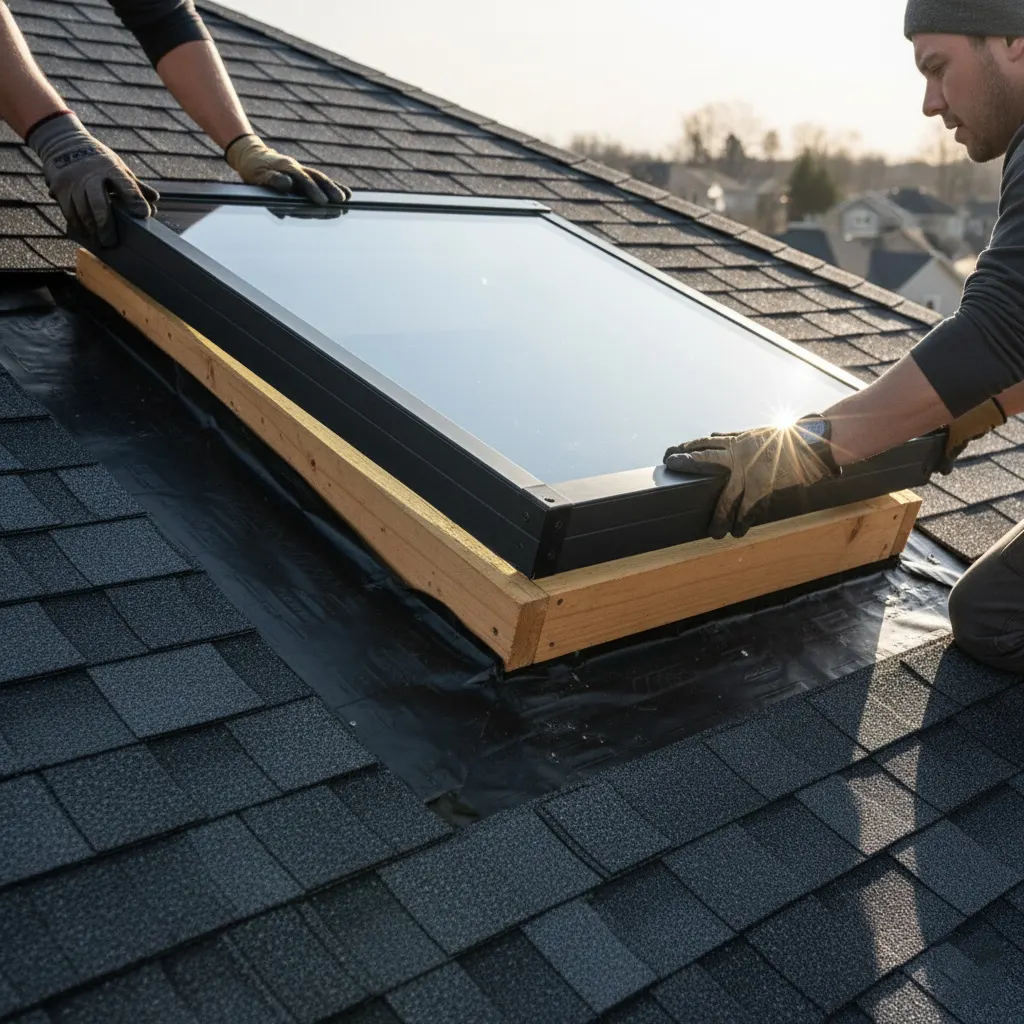
Check metal flashing around chimneys, skylights, valleys. Rust streaks or lifted edges? Prime leak suspects after heavy rain.
Vents next - ridge, box, turbine styles. Clogged screens block airflow, trapping humid attic air.
- Dented or loose? Storm debris strikes again.
- Crushed turbines? They spin no more, airflow dies.
- Sealant gaps? Squeeze fresh caulk now.
Interior Attic and Ceiling Scan: Hidden Leaks and Damage
Start inside. Grab a flashlight and scan your ceilings first. Look for dark water stains or bubbling paint - classic signs of leaks sneaking through.
Yellowish-brown spots scream rust from metal flashing failures. Discolored patches around light fixtures? That's water traveling down rafters. Mark these spots right away.
Climb into the Attic: The Real Reveal
Head up safely with a sturdy ladder. Shine that light everywhere. Daylight peeking through cracks means your roof deck is shot.
- Sagging or soft plywood - rot from constant Florida humidity.
- Mold streaks on rafters or insulation - hurricane moisture trapped inside.
- Bunche up or wet insulation - blocks airflow and invites bigger problems.
Probe with a screwdriver. If it sinks in easy, you've got decay. Note sagging trusses too - they signal structural weakness from years of Port St. Lucie storms.
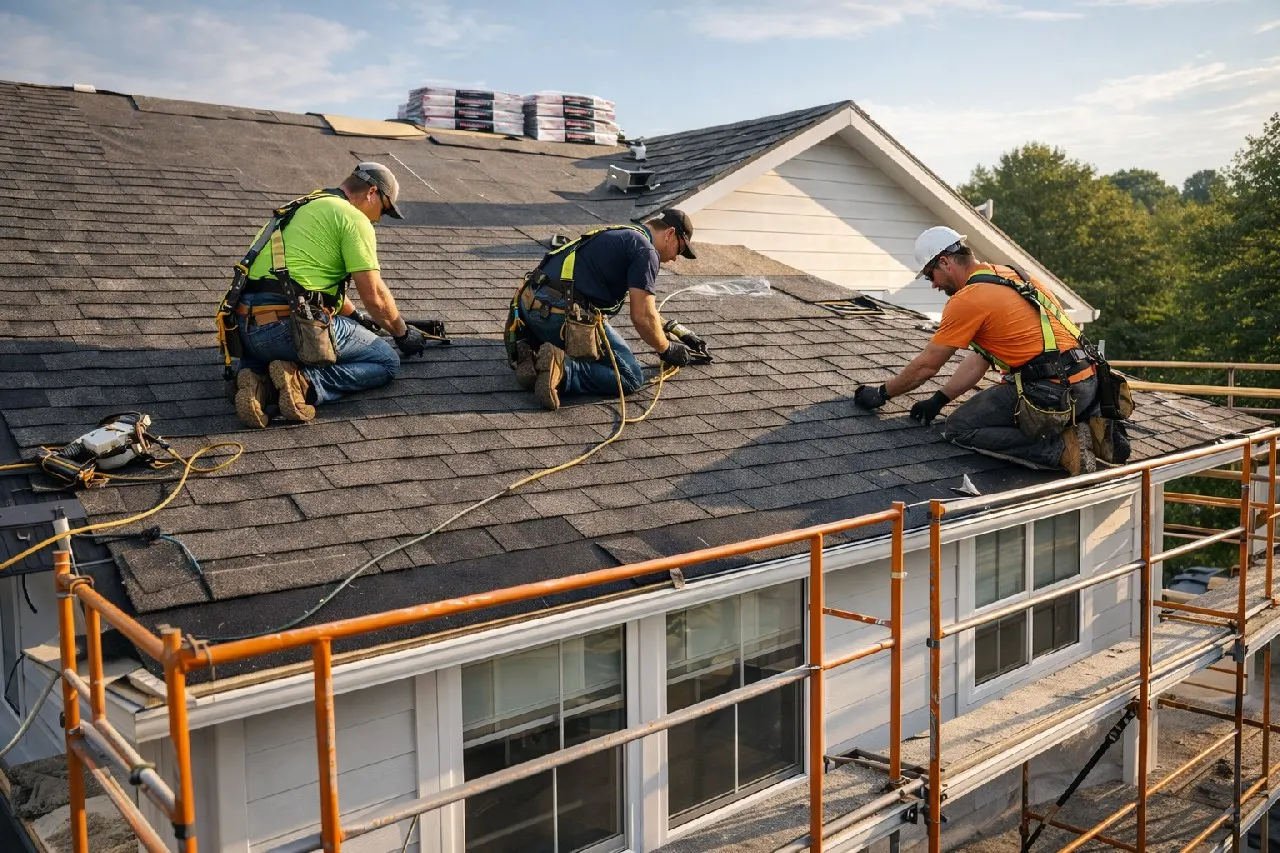
Port St. Lucie-Specific Hazards: Hurricane Prep and Humidity Effects
Port St. Lucie homes take a beating from Atlantic hurricanes every season. Check for missing hurricane clips or straps first. These metal ties keep your roof from flying off in 100+ mph winds.
Hurricane Damage Red Flags
- Cracked or lifted shingles from gusts.
- Granule loss on asphalt roofs, exposing the base to brutal UV rays.
- Debris embedded in valleys, blocking drainage during flash floods.
Spot these now. A storm like Ian could hit tomorrow.
Humidity here never quits, breeding mold under shingles and wood rot in your decking. Probe soffits for soft spots. Feel for damp insulation in the attic.
Algae streaks signal poor ventilation. Seal gaps around vents to fight moisture buildup. Your roof lasts longer without this silent killer.
Case Study: How We Caught a Hidden Leak Before the Next Storm Hit
Picture this: Mike, a longtime Port St. Lucie resident, called us after a windy squall shook his 15-year-old roof. He noticed a small water spot on his bedroom ceiling but figured it was nothing major. Our team showed up same day, binoculars in hand for the ground check.
Key Findings from the Full Walkthrough
- Missing granule layer on south-facing shingles, eaten away by constant UV blast and humidity.
- Cracked flashing around the chimney—prime spot for water to sneak in during heavy rain.
- Attic scan revealed soft spots in the decking, hidden mold starting to creep.
Mike's roof looked solid from the street. But up close, that tiny ceiling stain screamed trouble. We patched the immediate risks and scheduled a full replacement just in time—next week's tropical depression dumped 6 inches overnight.
No flood in the attic. No warped floors. Mike saved over $12,000 in emergency fixes because we spotted the stealth leak early. Your home could be next—don't wait for the drip to become a deluge.
Final Thoughts
Your roof takes a beating from Port St. Lucie's wild weather. Spotting issues early with this checklist saves you from surprise repair bills.
But here's the kicker: DIY checks beat waiting for leaks, yet nothing tops a pro's eye. Dive deeper into our Roof Inspection services if your scan turns up red flags.
Act fast. Next storm's brewing. Call your local roofing pros today and sleep sound.
People Also Ask
How often should homeowners in Port St. Lucie inspect their roofs?
Homeowners in Port St. Lucie should inspect their roofs at least twice a year—once in spring and once in fall—due to the region's hurricane season and high humidity. After major storms or high winds, schedule an immediate inspection to catch hidden damage. Professional inspections ensure thorough checks that DIY efforts might miss.
What are the most common signs of roof damage in Port St. Lucie homes?
Common signs include missing or curling shingles, granule loss in gutters, and dark streaks from algae due to humidity. Look for damaged flashing around chimneys and vents, as well as sagging areas indicating structural issues. Interior clues like water stains on ceilings often signal problems before exterior damage is obvious.
Can I perform a roof inspection myself, or do I need a professional in Port St. Lucie?
You can do a basic ground-level and binocular inspection yourself using our checklist, but climbing onto the roof requires safety gear and expertise. Professionals in Port St. Lucie use drones and advanced tools for comprehensive assessments, especially after storms. Hiring experts prevents injury and uncovers issues like attic moisture that DIY misses.
How does hurricane season affect roof inspections in Port St. Lucie?
Hurricane season brings high winds, heavy rain, and debris that can loosen shingles and damage flashing, making pre- and post-storm inspections essential. In Port St. Lucie, check for uplift on ridge caps and satellite dishes that stress roofs. Early detection through regular inspections can prevent costly repairs before the next big storm hits.
What tools are essential for a DIY roof inspection checklist in Florida?
Essential tools include binoculars for safe distance viewing, a ladder for ground access, flashlight for attic checks, and a moisture meter for detecting leaks. Wear non-slip shoes and gloves for safety during exterior exams. For Port St. Lucie homes, add a camera to document findings for professional review later.
Need Roofing Services?
Fast roof repairs and replacements deliver lasting protection in Port St. Lucie, FL and nearby areas (34952, 34953, 34983, 34984, 34986).
Get Roofing Quote