


⚡ TL;DR: Discover what most companies overlook in Paterson tile roof installation, from freeze-thaw material choices and underlayment details to hidden repairs and maintenance that ensure lasting performance.
📋 What You’ll Learn
In this guide to tile roof installation in Paterson, you’ll uncover the hidden factors that affect durability, cost, material selection, and long-term performance in New Jersey’s climate.
- Discover how freeze-thaw cycles influence tile selection so you can choose materials that withstand Paterson’s harsh winters without cracking or allowing water infiltration into your home.
- Learn why underlayment must match roof pitch exactly to avoid the common oversights in contractor quotes that lead to premature roof failures in Paterson homes.
- Identify hidden decking repairs that increase project costs by understanding the structural issues often missed during initial inspections of older Paterson properties.
- See the complete tile roof installation process step by step including details most companies skip that ensure a durable and weatherproof result for your home.
- Explore maintenance strategies that extend your tile roof’s lifespan using proven techniques from local case studies in Paterson’s historic neighborhoods.
📖 Reading time: 7 min
✍️ Author expertise: Local Paterson roofing expert with over 15 years of hands-on tile roof installation experience.
Most roofers around Paterson will quote you a price for tile installation and leave out the parts that actually decide whether your roof lasts 20 years or starts leaking in the first winter.
They skip over how the underlayment has to match the exact pitch of your house, or why cheap imported tiles crack when the freeze-thaw cycle hits hard here in North Jersey. They also stay quiet about the hidden labor costs that show up once the old roof comes off and the decking turns out to be shot.
If you want the straight story on what separates a job that holds up from one that turns into an expensive headache, keep reading.

Why Paterson’s Freeze-Thaw Cycles Make Tile Material Choice Critical
Paterson winters hit hard with repeated freeze-thaw cycles that turn small amounts of trapped moisture into expanding ice. This process stresses roof tiles day after day, and the wrong material choice leads to cracks that spread fast.
Common Tile Failures in Local Conditions
Cheap imported tiles often absorb water like a sponge. Once that water freezes, the tile splits from the inside out and leaks follow right behind.
- Look for tiles rated for severe weather exposure.
- Clay tiles with low absorption rates hold up better here than porous imports.
- Concrete tiles need proper sealing to survive the same cycles without crumbling.
Local roofers who know the area test for these traits before quoting. Skip that step and your new roof starts showing damage before the first full season ends.
Matching Underlayment to Roof Pitch: The Step Most Quotes Omit
Roof pitch sets the rules for underlayment. Steep slopes let water run off quick. Low pitches trap moisture longer and demand tougher barriers.
Most bids skip this match on purpose. They figure you won't notice until leaks show up after the first hard freeze.
Common Pitch Matches Paterson Homes Need
- 4:12 and under calls for full ice-and-water shield across the deck.
- 5:12 to 8:12 works with synthetic felt plus extra rows at valleys and eaves.
- Anything steeper still needs the right overlap and fasteners to stop wind-driven rain.
Pick the wrong layer and your new tile roof starts working against itself. The right one keeps the structure dry through every North Jersey winter.

Hidden Decking and Structural Repairs That Drive Up Final Costs
Paterson homes from the early 1900s often hide rotted decking under old layers. Once the tiles and underlayment come off, crews find soft spots that need full replacement. This work adds labor hours and materials that never appear on the first quote.
Structural issues hit even harder. Sagging rafters or cracked joists show up during inspection. Homeowners then face extra bills for sistering beams or adding support before any new tile goes down.
- Water-stained plywood from past leaks
- Termite damage in older framing
- Improper previous repairs that weakened the base
These surprises turn a simple tile job into a bigger project. The smart move is to insist on a decking check before signing anything. It keeps the final price from jumping without warning.
The Real Tile Roof Installation Process Paterson Homeowners Rarely See
Most crews start by stripping every layer down to the bare deck. They check for rot and weak spots that Paterson winters have chewed through over the decades. Only then do they move forward with repairs that actually hold up.
Next comes the underlayment matched to your exact pitch. Workers roll it out tight, seal every seam, and nail it so ice and wind cannot sneak underneath. Tile clips and battens follow in straight lines to keep everything locked in place against freeze-thaw shifts.
Then the tiles go on row by row with proper overlaps and ventilation gaps. Here is what the full sequence looks like once the old roof is gone:
- Deck inspection and targeted plywood swaps
- Ice and water shield at eaves and valleys
- Synthetic underlayment over the field
- Batten layout for airflow
- Tile placement with ridge vents at the peak
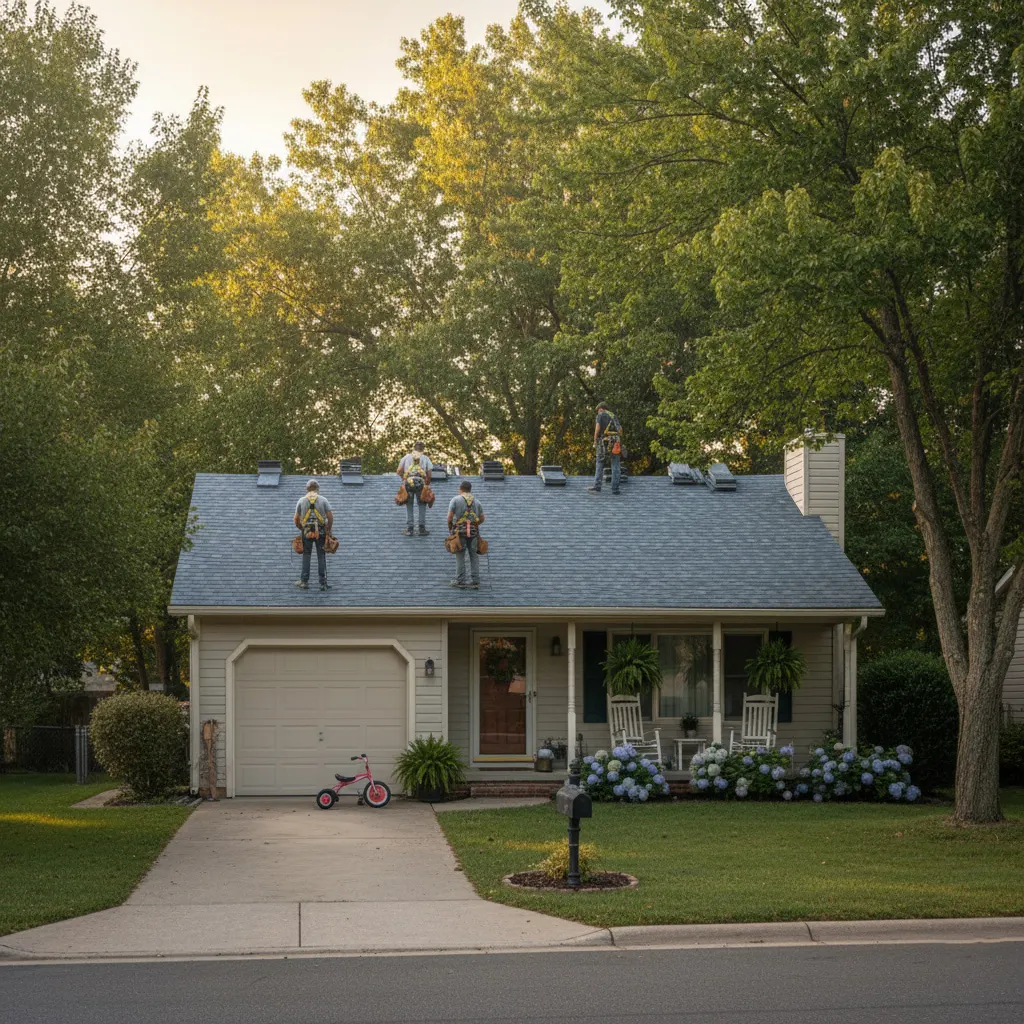
Case Study: Tile Roof Installation on a 1920s Paterson Two-Family Home
The owners called us after water stains showed up on their top-floor ceilings. Their 1920s two-family still had the original wood decking under layers of old asphalt that had cracked from years of Paterson freeze-thaw swings.
We pulled everything off and found rotted sections along the eaves plus a low pitch that needed special underlayment to stay watertight. Here is what we did next:
- Replaced 18 sheets of damaged decking with new plywood rated for tile weight.
- Laid self-adhering membrane on the lower slopes and synthetic underlayment higher up to match the exact pitch.
- Chose concrete tiles made for North Jersey winters instead of thin imported ones that crack fast.
Three weeks later the roof was finished and the tenants reported no more leaks during the first big snow melt. The owners now budget for a quick inspection every spring to keep the tiles sealed and the flashing tight.
Long-Term Maintenance Secrets That Protect Your Tile Investment
Tile roofs in Paterson demand more than a quick glance once a year. Freeze-thaw cycles chew at the edges, and moss finds a home in the cracks if you let it sit. Walk the roof twice a year yourself or hire someone who knows what loose tiles look like before they slide off.
Skip the pressure washer. It drives water under the tiles and wrecks the underlayment faster than you think. Instead, use a soft brush and a garden hose to clear debris from the valleys and around the vents.
- Check flashing around chimneys and skylights every spring.
- Replace any cracked tiles right away instead of waiting for leaks.
- Keep trees trimmed so branches never scrape the surface during storms.
Call in a pro for a full inspection every three years. They spot decking issues and underlayment wear that you cannot see from the ground. This one step keeps small problems from turning your tile roof into a full replacement job five years early.
Final Words.
Pick a roofer who spells out every layer that goes on your Paterson roof before any work starts. That single move cuts the chance of freeze damage or deck rot showing up two winters later.
Check the tile grade against North Jersey freeze-thaw swings and confirm the underlayment matches your exact pitch. Skip that step and the whole job can fail early.
Review our complete Tile Roof Installation details to see how proper prep and material choices protect the money you put into the roof today.
People Also Ask
What hidden costs should homeowners expect during tile roof installation in Paterson?
Many Paterson tile roof projects reveal unexpected expenses from deteriorated decking or structural reinforcements that standard quotes ignore. These repairs often surface only after old tiles are removed, increasing the final bill by thousands. Choosing a company that inspects the full structure upfront prevents surprises and protects your investment.How do Paterson freeze-thaw cycles affect tile roof material choices?
Paterson winters cause repeated expansion and contraction that cracks inferior tiles or allows moisture intrusion. Premium clay or concrete tiles rated for freeze-thaw conditions resist these stresses and last decades longer. Most companies hide this detail to offer lower-priced materials that fail prematurely.Why does matching underlayment to roof pitch matter for tile roofs?
Low-pitch sections in Paterson homes require heavier synthetic underlayment to prevent leaks beneath the tiles. Standard felt underlayment often fails on these slopes, leading to costly water damage later. Proper matching ensures long-term performance that many installation quotes overlook.What structural repairs commonly arise during tile roof installation on older Paterson homes?
Homes built before 1950 frequently need deck replacement or rafter reinforcement to support the weight of new tiles. These repairs drive up costs but are essential for safety and code compliance. Reputable installers assess the full structure before providing a final price.Need Roofing Services?
We deliver durable roof repairs and installations throughout Paterson and nearby areas (07501, 07502, 07503, 07505, 07514), completing work quickly to restore full weather protection with minimal downtime.
Get Roofing Quote