
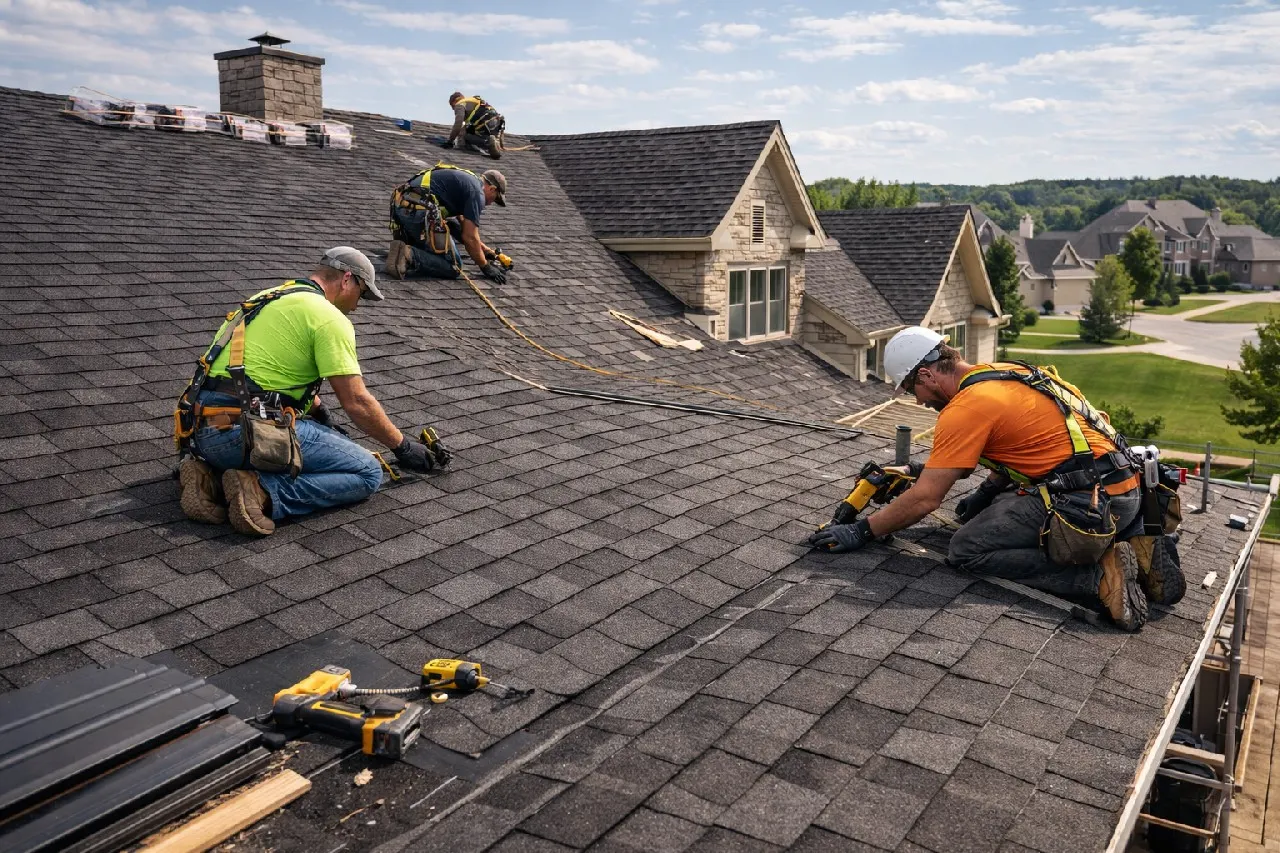


⚡ TL;DR: Discover seven common roof replacement mistakes Norfolk VA homeowners make and follow the checklist to avoid costly pitfalls.
📋 What You’ll Learn
In this eye-opening guide to roof replacement in Norfolk, VA, you'll uncover the 7 most common mistakes homeowners make, how to sidestep costly errors, and proven strategies for a durable, code-compliant new roof.
- Avoid the lowest bidder trap by learning to vet contractors thoroughly, spotting red flags in bids, and ensuring quality workmanship that withstands Norfolk's harsh coastal conditions.
- Select climate-resilient materials to combat salt air corrosion, high winds, and humidity, preventing premature failures and extending your roof's lifespan in the Tidewater region.
- Prioritize full inspections of attics, structures, and flashing to uncover hidden damage early, avoiding surprise costs and ensuring a solid foundation for your replacement.
- Master permits and ventilation by navigating local Tidewater codes, optimizing airflow, and installing proper flashing to prevent leaks, mold, and compliance headaches.
- Apply real-world fixes from Norfolk case studies, using checklists to dodge disasters and achieve long-lasting results backed by expert field insights.
📖 Reading time: 7 min
✍️ Author expertise: Norfolk roofing pro with 20+ years handling coastal replacements and repairs from real Tidewater job sites.
You're staring at a leaky ceiling after dumping $20,000 into a "top-notch" roof replacement, watching Norfolk's next thunderstorm turn your home into a swimming pool.
That nightmare hits hundreds of local homeowners every year, all because they tripped over the same avoidable pitfalls during their roof projects.
We've seen it all from our trucks rolling through Chesapeake Bay neighborhoods, and we're spilling the beans on the seven deadliest mistakes you must dodge to protect your biggest investment.
Keep reading to arm yourself with the straight talk that saves roofs, wallets, and sanity right here in Norfolk, VA.
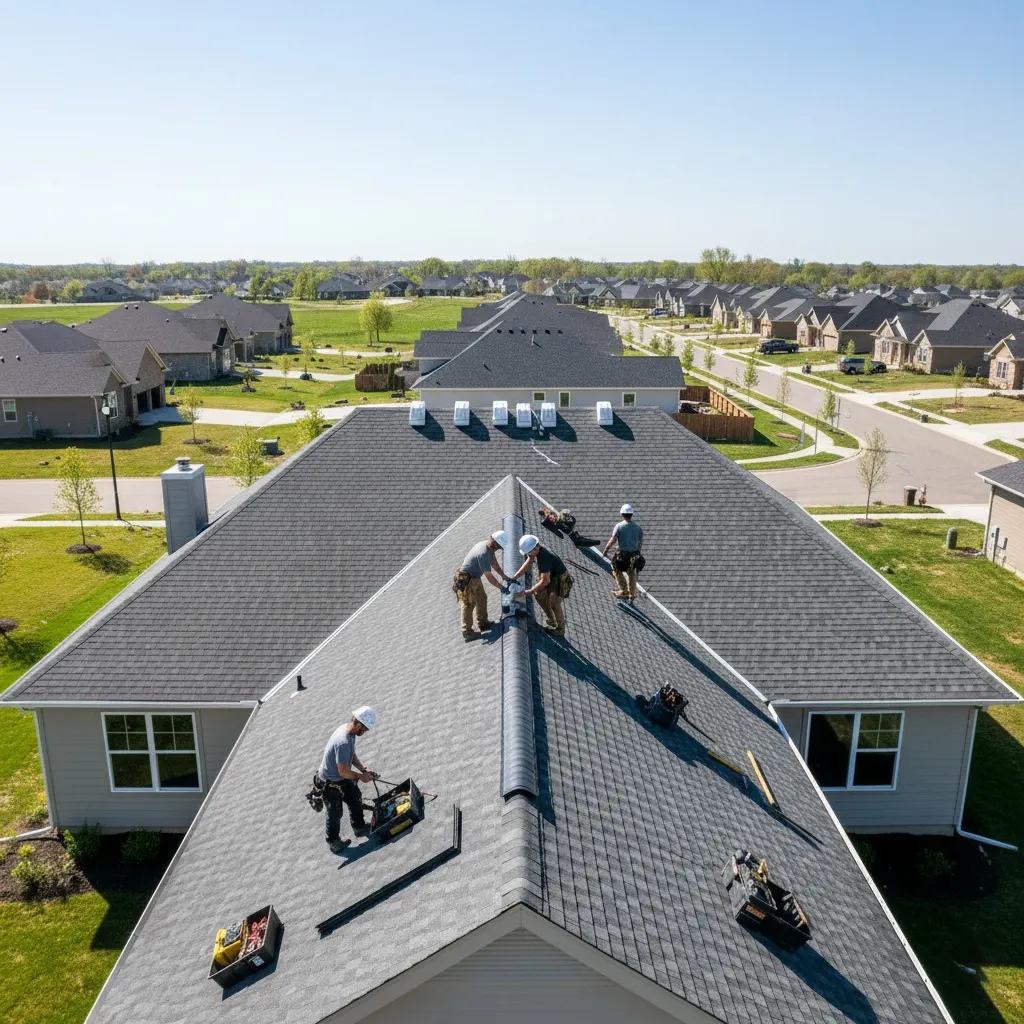
Mistake #1: Hiring the Lowest Bidder Without Proper Vetting
Picture this: You grab the cheapest quote to save a few grand, only to watch shoddy workmanship turn your new roof into a sieve six months later. Norfolk roofs take a beating from salt air and storms. Cutting corners on bids often means fly-by-night crews using subpar materials that fail fast.
We've ripped off plenty of these disasters ourselves. Low bidders skip proper underlayment or nail those shingles like they're in a rush to the bar. Result? Leaks, mold, and a second roof job that costs double.
Spot a Winner: Your Quick Vetting Checklist
- Verify active Virginia contractor licenses and proof of insurance covering at least $1M in liability.
- Demand 5+ local references from Norfolk-area jobs done in the last year. Call them.
- Check BBB ratings and online reviews for patterns of complaints about leaks or delays.
- Insist on a 10-year material warranty and 5-year labor guarantee in writing.
- Ask for their roofing crew's certifications from GAF or CertainTeed. No certs? Walk.
Take 30 minutes to vet. It beats calling us to fix a $15K mess from some bargain hunter.
Mistake #2: Ignoring Norfolk's Coastal Climate in Material Choices
Norfolk's salty sea air and brutal humidity chew through cheap shingles faster than you can say "hurricane season." Homeowners grab whatever's on sale at the big box store, blind to how our Tidewater winds and storms turn weak roofs into sieves. One gust from a nor'easter, and your "bargain" asphalt curls up and flies away.
Why Your Roof Materials Must Fight Back Against Local Weather
- Salt corrosion eats at standard asphalt, leading to early granule loss and leaks.
- High humidity breeds mold under shingles, rotting the decking if ventilation pairs wrong with the covering.
- UV rays and 100+ mph winds demand impact-rated or metal options that laugh at flying debris.
Picture this: A Ghent homeowner picks basic 3-tab shingles. Six months later, after Tropical Storm whatever, they're calling us for emergency patches because the roof looks like Swiss cheese. Skip this mistake by demanding coastal-grade materials from day one.
Go for galvalume metal roofs or Class 4 impact-resistant shingles proven in Virginia Beach tests. These beasts shrug off hail, salt spray, and 140 mph winds. Your roof lasts 40+ years instead of crumbling in five.

Mistake #3: Skipping a Full Attic and Structural Inspection
Picture this: Your new roof looks perfect from the street. But up in the attic, rot-eaten rafters and sagging trusses wait to sabotage the whole job. Norfolk's humid air and salt spray accelerate hidden damage, turning a simple replacement into a structural nightmare.
Skip the inspection, and you're betting your house on blind luck. We once found termite-riddled beams under a "brand new" roof in Ghent—cost the homeowner $15K extra to fix before it caved in.
Red Flags Your Inspector Must Catch
- Water stains or mold on underside sheathing.
- Cracked or soft rafters from years of leaks.
- Poor ventilation causing ice dams in winter.
- Out-of-plumb framing that dooms shingle alignment.
Insist on a full crawl before any shingles fly. A pro with a headlamp and moisture meter spots issues your roofer might "miss" to cut corners. Save thousands. Protect your home.
Mistake #4: Neglecting Critical Flashing and Ventilation Details
Picture this: your shiny new roof looks perfect from the street. But up close, around that chimney or skylight, the flashing – those metal seals – sits crooked or half-installed.
One heavy rain from the Atlantic, and water sneaks right in. We've ripped off more roofs in Norfolk because shady crews treat flashing like an afterthought.
Flashing Fails That Flood Homes
- Wrong materials: Galvanized steel rusts fast in our salty air. Go aluminum or copper.
- Poor overlaps: Water loves a downhill path. Install with double-lock seams.
- No step flashing: Walls and roofs need it staggered, or leaks guaranteed.
Now ventilation. Stuffy attics trap heat and humidity like a sauna. Your new roof cooks the shingles from below, cutting life in half.
Skip ridge vents or soffit intakes? Mold explodes. Ice dams form in winter chills. Demand balanced airflow – intake low, exhaust high – or pay later.
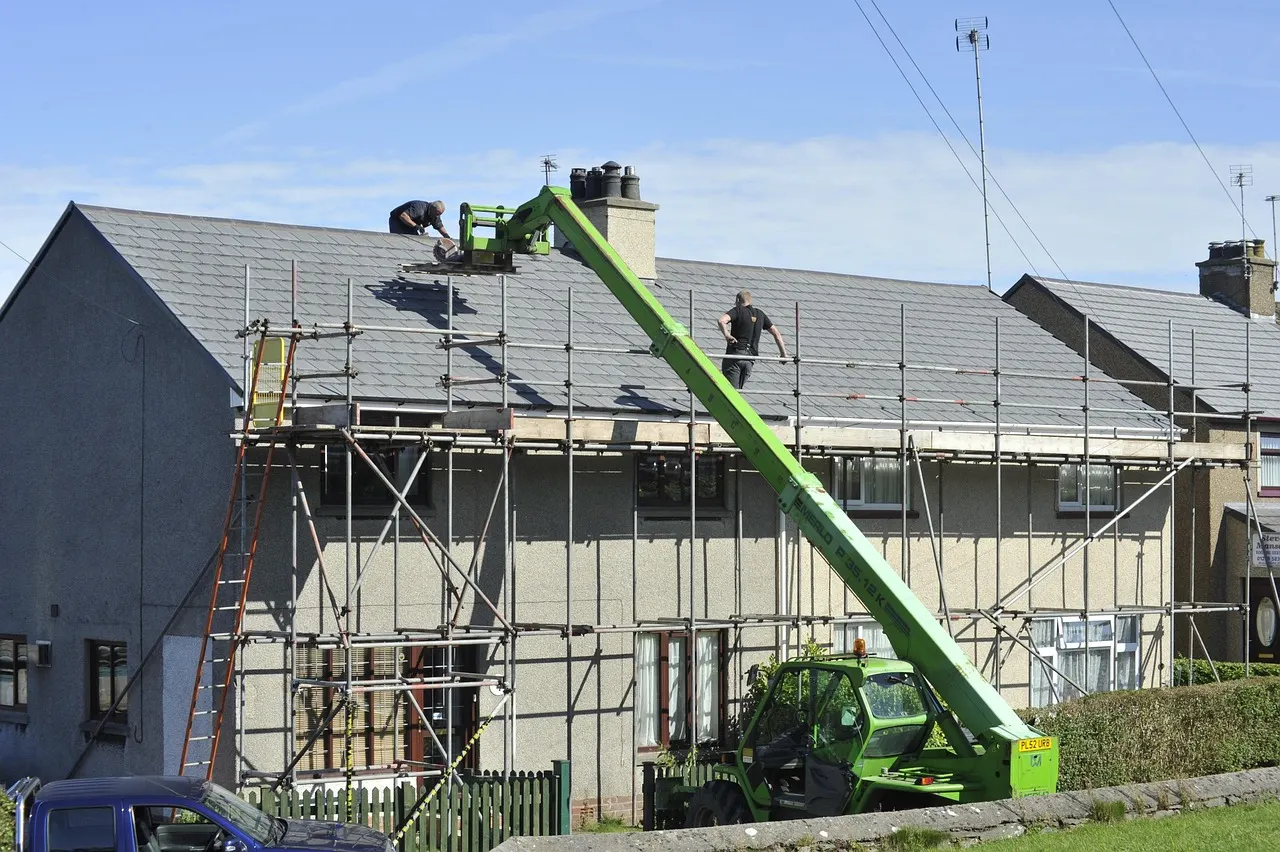
Mistake #5: Overlooking Local Permits and Tidewater Building Codes
Norfolk's right in the Tidewater region, where salty air, high winds, and flood risks demand strict building rules. Skip the permits, and your new roof could get flagged by inspectors. Worse, your homeowner's insurance might deny claims if disaster strikes.
We've pulled roofs off homes where shady contractors dodged permits to cut corners. The result? Massive fines from the city, plus rework costs that ballooned budgets by thousands. One Ghent homeowner paid double after code violations halted the job midway.
Quick Checklist: Permits You Can't Ignore
- Wind uplift ratings for coastal storms (hello, Hurricane Season).
- Flood zone elevations per Norfolk's zoning maps.
- Virginia Uniform Statewide Building Code compliance.
- HOA approvals if you're in Larchmont or Colonial Place.
Insist your roofer pulls permits upfront and shares copies. It's non-negotiable for passing final inspections and keeping your warranty intact. Dodge this mistake, and your roof stands strong against Norfolk's wild weather.
Norfolk Case Study: How We Fixed a $30K Roof Replacement Disaster
Meet Mike from Ghent. He shelled out $30,000 for a new roof last summer, only to find water pouring through his master bedroom after the first big nor'easter hit.
Turns out, the cheap crew he'd hired skipped proper underlayment and botched the flashing around his chimneys. Mold was creeping up the walls, and his insurance was laughing him off.
The Mess We Walked Into
- Zero attic ventilation – trapped humidity rotting the rafters.
- Wrong shingles for our salty air – already peeling after six months.
- No permits filed – city inspectors ready to slap fines.
We tore it all off in two days flat. Exposed the damage: three rotted trusses and a sagging ridge line.
Our Fix: Bulletproof from Day One
Reinforced the structure with sistered beams. Installed impact-resistant architectural shingles rated for coastal winds.
Added ridge vents, baffles, and heavy-duty ice-and-water shield everywhere it counts. Flashing? Triple-layered, soldered tight.
Mike's roof now laughs at hurricanes. No leaks in two seasons, and his energy bills dropped 15% from better airflow.
Final Thoughts: Your Checklist to Avoid These 7 Costly Mistakes
Don't let these blunders sink your roof replacement project. Print this checklist. Run through it before signing any contract.
Hit Every Point Before Shingles Fly
- Vet bidders hard: Check licenses, insurance, and local reviews. Demand references from Norfolk jobs.
- Pick coastal-tough materials: Asphalt composites or metal rated for salt air and wind gusts over 110 mph.
- Insist on attic inspection: Full structural scan with moisture meter and infrared camera.
- Double-check flashing and vents: Step flashing at walls, ridge vents sized right for your attic space.
- Verify permits upfront: Confirm Tidewater code compliance with City of Norfolk inspector sign-off.
- Watch the install daily: No shortcuts on underlayment or ice-water shield.
- Get warranties in writing: 25+ years on materials, 10 on labor, transferable to future owners.
Tick these off, and your roof lasts decades. Skip them? Brace for leaks and regret. Call pros who've fixed the messes—your home deserves it.
People Also Ask
What are the most common roof replacement mistakes homeowners make in Norfolk, VA?
Homeowners often hire the lowest bidder without vetting credentials, ignore coastal climate needs for materials like asphalt shingles prone to wind damage, and skip attic inspections that reveal structural issues. Neglecting flashing, ventilation, and local permits leads to leaks, mold, and code violations. A thorough checklist and experienced local contractor prevent these costly errors.
How do I avoid hiring the wrong roofing contractor in Norfolk?
Vet contractors by checking licenses, insurance, and references specific to Norfolk's Tidewater region, rather than just picking the cheapest bid. Look for GAF or Owens Corning certifications and reviews from coastal installations. Request detailed contracts outlining warranties and adherence to local building codes.
Why is Norfolk's coastal climate important for roof material choices?
Norfolk's high winds, humidity, and salt exposure demand impact-resistant, algae-resistant shingles like architectural asphalt or metal roofing. Standard materials fail quickly, causing premature leaks and replacements. Choose materials rated for coastal zones to ensure longevity and lower insurance premiums.
What permits are required for roof replacement in Norfolk, VA?
Norfolk requires a building permit for all roof replacements, submitted via the online portal with plans showing compliance to the Virginia Uniform Statewide Building Code. Inspections cover structural integrity and ventilation post-installation. Skipping permits risks fines up to $500 per day and voided warranties.
How much does a roof replacement cost in Norfolk, VA?
Average costs range from $8,000 to $20,000 for a 1,500-2,000 sq ft home, depending on materials like asphalt ($400-$600/square) or metal ($800-$1,200/square). Factors include pitch, layers removed, and coastal upgrades adding 10-20%. Get multiple vetted quotes to avoid overpaying for subpar work.
Need Roofing Services?
We deliver fast roof repairs and replacements in Norfolk, VA and nearby areas (23502, 23504, 23508, 23510, 23513), restoring weatherproof protection quickly.
Get Roof Quote