


⚡ TL;DR: This comprehensive guide helps Naperville homeowners recognize structural damage caused by seasonal weather and explains the necessary steps for a successful and durable roof deck replacement project.
📋 What You’ll Learn
Whether you are planning a roof replacement or addressing structural damage, this guide offers essential insights into deck integrity, material selection, and the unique challenges facing homeowners in Naperville, Illinois.
- Identify hidden structural warning signs by learning how to spot moisture damage, rot, or sagging sections before they compromise the safety and energy efficiency of your entire roof.
- Analyze local climate impact factors such as harsh freeze-thaw cycles and heavy snowfall that demand high-quality, durable decking materials built to withstand our specific Naperville weather conditions.
- Master the professional replacement process from the initial diagnostic inspection and material selection to the final installation standards required for a long-lasting, code-compliant roofing structure.
- Protect your long-term property value by understanding the critical link between a solid roof deck foundation and the overall longevity of your home’s most important external shield.
📖 Reading time: 7 min
✍️ Author expertise: Naperville roofing contractor with fifteen years of hands-on structural repair and deck replacement experience.
You wake up on a Saturday morning in Naperville, coffee in hand, only to notice a suspicious water stain spreading across your ceiling. That small mark is not just an eyesore, it is a flashing red light signaling that your home’s first line of defense is failing fast.
Replacing a roof deck is one of the most critical investments you will make for your property value and your family’s safety. Ignoring the warning signs now often leads to expensive structural damage that could have been stopped in its tracks.
Most homeowners have no idea what actually happens under their shingles until it is too late. Let’s break down exactly what you need to know about your roof deck so you can make an informed decision before the next storm hits.
Understanding the Anatomy: What Is a Roof Deck and Why Does It Matter?
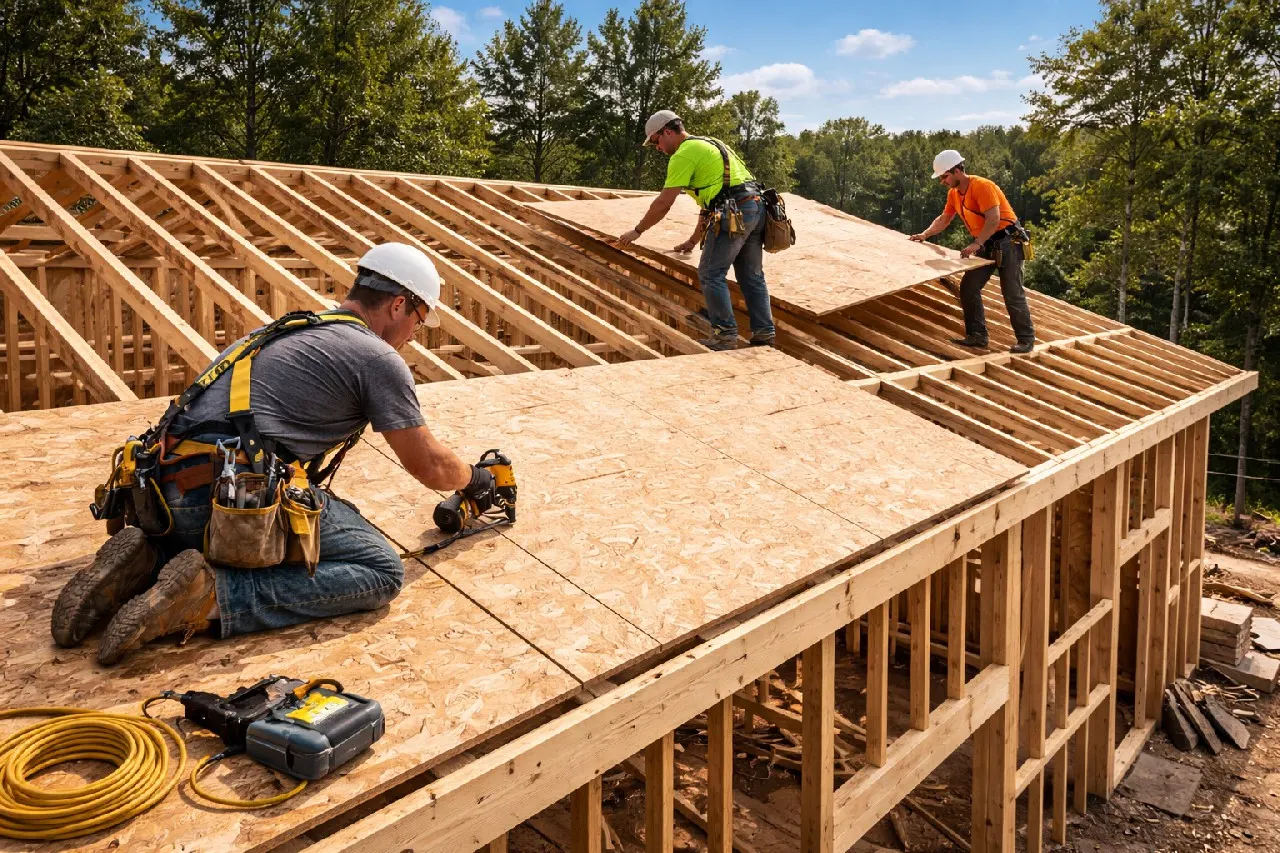
Most homeowners confuse the roof deck with the shingles they see from the street. In reality, the deck is the structural foundation—the flat layer of plywood or oriented strand board (OSB) nailed directly to your roof trusses.
Think of it as the skeleton of your roof. Without a solid, moisture-free deck, even the most expensive architectural shingles in the world are destined to fail.
Here is why this layer is the most important part of your roofing system:
- It provides the nailing surface that keeps your shingles attached during high Naperville winds.
- It acts as the final structural barrier preventing exterior elements from entering your attic.
- It supports the weight of snow, ice, and heavy roofing materials throughout the year.
If the deck softens or rots, your shingles lose their grip. Once that happens, you are no longer dealing with a simple repair. You are looking at a potential structural collapse that invites mold, insects, and thousands of dollars in interior water damage.
Red Flags: Identifying Signs of Rot and Structural Failure in Naperville Homes
Your roof deck is the unsung hero of your home. When it begins to fail, it doesn't usually announce itself with a loud crash; it starts with subtle, sneaky symptoms that hide in your attic.
You need to be proactive. If you see these signs, your decking is likely compromised:
- Sagging roof lines: If your roof looks like it has a dip or a sway, the wooden panels underneath have lost their structural rigidity.
- Attic moisture or mold: Damp insulation or dark spots on the underside of your roof boards mean water is bypassing your shingles.
- Cracked or curling shingles: When your deck rot becomes severe, the fasteners holding your shingles down lose their grip, causing the exterior to fail prematurely.
Don't ignore the smell. A musty, damp odor in your upper floor rooms is a classic indicator that moisture has settled into the wood and mold is actively growing.
If you notice the drywall around your chimney or vents is turning yellow, the deck is likely already soft. That softness is the death knell for your roof's load-bearing capacity.

The Impact of Illinois Weather: Why Seasonal Freeze-Thaw Cycles Damage Your Decking
Naperville weather is brutal on your home. We deal with scorching summers and punishing, sub-zero winters that wreak havoc on your roof structure.
The real enemy is the freeze-thaw cycle. When moisture penetrates your shingles, it seeps into the wood decking underneath.
When the temperature drops, that trapped water freezes and expands. This ice forces the wood fibers apart, acting like a wedge that breaks the structural integrity of your roof from the inside out.
How Moisture Cycles Destroy Your Deck
Once the thaw hits, that ice turns back into water. This repeat performance happens dozens of times throughout a typical Illinois winter.
- The wood begins to warp or buckle under the stress.
- Nails holding the deck to the rafters start to pop out.
- Soft spots develop, creating a spongy feel when someone walks on the roof.
- The structural bond of the plywood weakens significantly over time.
Ignoring this damage is a recipe for disaster. If your deck is soft or warped, your shingles have no stable surface to cling to.
That means the next heavy windstorm in Naperville could easily peel your roof back. Preventing water intrusion before winter sets in is the only way to avoid a full-scale structural collapse.
The Professional Assessment: How to Evaluate the Integrity of Your Sub-Roofing
You cannot judge the condition of a roof deck by looking at the shingles. When a professional arrives to inspect your home, they are looking for the hidden culprits that cause structural failure from the inside out.
During a professional evaluation, our team performs a meticulous check of the entire attic space. We use specialized moisture meters to pinpoint leaks that haven't hit your ceiling drywall yet. We also look for these key indicators:
- Sagging between rafters: This suggests the plywood has lost its rigidity due to moisture exposure.
- Delamination: If the layers of your plywood are peeling apart, the structural bond is permanently compromised.
- Soft spots: Walking on the roof allows a pro to feel for areas where the wood has turned spongy or rotted.
- Excessive heat buildup: Poor attic ventilation often cooks the deck from underneath, leading to premature brittleness.
Never rely on a visual inspection from the ground. A professional assessment involves climbing into the crawl space to check for dark stains or fungal growth on the underside of the decking panels.
If the wood feels brittle, crumbles under pressure, or shows visible signs of decay, it is time for a replacement. Catching these issues early is the only way to avoid the catastrophic costs of a full roof collapse or significant interior water damage.

5. Case Study: Restoring Structural Stability in a Historic Naperville Residence
We recently took on a project in the historic district of Naperville where a homeowner noticed a slight sag in their roofline. The house, built in the early 1920s, featured original wood planks that had finally surrendered to a century of moisture exposure.
Upon removing the existing shingles, our team discovered that the roof deck had suffered from widespread dry rot. The weight of the heavy slate tiles had caused the compromised wood to bow inward, creating a serious risk of total collapse under the next heavy snowfall.
We implemented a precise restoration plan to bring the structure back to code:
- Removed all decayed wood sheathing to reveal the underlying rafters.
- Installed high-grade, moisture-resistant OSB panels for superior strength.
- Reinforced the existing joists with sistered lumber to ensure the roof could support modern roofing materials.
- Applied a synthetic underlayment to provide a secondary layer of protection against future water intrusion.
This project highlights why proactive deck replacement is superior to temporary patches. By addressing the root cause rather than just the surface, we helped the homeowner retain the charm of their historic property while ensuring the structure remained rock-solid for another hundred years.
Navigating the Replacement Process: Materials, Costs, and Expert Installation
When it is time to swap out your damaged decking, the material you choose dictates the longevity of your entire roofing system. Most Naperville homes benefit from CDX plywood or OSB (Oriented Strand Board), but the thickness must meet local building codes. Never cut corners here; your sub-roof needs to be rigid enough to hold the weight of shingles, snow, and the occasional technician walking across the surface.
Professional installation is where the real value is realized. A seasoned crew does more than just nail down boards. They verify that your attic ventilation is functioning correctly to prevent future rot from trapped moisture. Poor ventilation is the silent killer of roof decks, and installing top-tier material without addressing airflow is throwing money away.
Key Factors That Influence Your Investment
The total cost of your project depends on several variables that become apparent once the old shingles are stripped away. Here is what you need to consider before signing a contract:
- Material Grade: High-quality pressure-treated options cost more but resist moisture better in our Illinois climate.
- Labor Complexity: Steep pitches or unique architectural details increase the hours required for a precise fit.
- Hidden Damage: If the decking has rotted, there is a high probability that the underlying rafters or trusses need inspection.
- Permitting and Disposal: Naperville building regulations require specific permits and responsible disposal fees that must be factored into your budget.
Always insist on a transparent estimate that breaks down the per-sheet cost of decking replacement versus general labor. A contractor worth their salt will have no issue showing you the photos of the damaged wood they removed. Trust is earned on the roof, not just through a flashy sales presentation.
Final Words: Protecting Your Naperville Home for Decades to Come.
Your roof is the ultimate bodyguard for your family. If you wait until you see a drip or a sag, you are already behind the curve.
Taking a proactive stance on your Roof Deck Replacement is the smartest move you can make for your wallet. A solid deck ensures that every other layer of your roofing system performs exactly how it was engineered to.
Don't gamble with the structural integrity of your property. Here is how you keep your investment secure for the long haul:
- Schedule an inspection every two years, especially after a harsh Illinois winter.
- Address attic ventilation issues immediately to prevent trapped moisture from rotting your decking from the inside out.
- Keep your gutters clean to prevent ice dams that force water directly under your shingles.
Consistency is your best insurance policy. By catching small issues early, you stop minor repairs from turning into a total structural failure.
Remember that a high-quality installation is only as good as the wood beneath it. Demand high-grade materials and professional craftsmanship every single time.
Your home in Naperville deserves to stand strong for decades. Stay observant, stay prepared, and keep your top-tier defense in top-tier shape.
People Also Ask
How do I know if my roof deck needs replacement?
You should look for signs of sagging, soft spots when walking on the roof, or visible water stains inside your attic. If your shingles are curling or granular loss is high, it often indicates the underlying decking has been compromised by moisture and requires professional inspection.How much does roof deck replacement cost in Naperville?
The cost of replacing a roof deck depends on the square footage of your home, the severity of the wood rot, and the materials selected for the repair. On average, homeowners in Naperville can expect to pay between $5 and $10 per square foot for decking materials and labor, though structural damage can increase this total.Does homeowners insurance cover roof deck replacement?
Standard homeowners insurance typically covers roof deck replacement if the damage is caused by a sudden, accidental event like a severe windstorm or hail. However, most policies do not cover decking rot caused by long-term neglect, poor ventilation, or normal aging.How long does a roof deck typically last in Illinois?
A properly installed roof deck made of high-quality plywood or OSB can last 25 to 30 years. In the Naperville climate, this lifespan depends heavily on consistent attic ventilation, which prevents the heat and moisture buildup that leads to premature wood decay.Can I replace just a section of the roof deck?
Yes, if the water damage is isolated to a specific area caused by a localized leak, a contractor can perform a partial deck replacement. However, if the wood damage is widespread due to moisture migration, a full replacement is often recommended to ensure the structural integrity of the entire roofing system.Need Roofing Services?
We deliver durable roof installations and repairs with fast turnaround to protect homes across Naperville and nearby areas (60540, 60563, 60565, 60566, 60567).
Get Roofing Quote