


⚡ TL;DR: This guide offers practical advice on roof maintenance for Midland homeowners, highlighting essential strategies like routine inspections and debris removal to help preserve your home against harsh weather.
📋 What You’ll Learn
Protecting your home in the harsh Permian Basin environment requires specific strategies to combat extreme heat and dust. Learn how proactive maintenance can save you thousands in costly roof repairs.
- Mitigate extreme thermal expansion damage by understanding how Midland’s intense daily temperature swings cause roofing materials to contract and expand, leading to structural cracks and premature material failure.
- Implement a professional inspection schedule to catch hidden vulnerabilities after our frequent dust storms, ensuring that fine grit and debris have not compromised your shingles or flashing seals.
- Optimize your attic ventilation systems to prevent heat trapped under your roof from cooking your shingles from the inside out, significantly extending the lifespan of your cooling infrastructure.
- Master the repair versus replacement decision by recognizing the early warning signs of heat-related degradation, allowing you to choose cost-effective interventions before a full roof replacement is required.
📖 Reading time: 7 min
✍️ Author expertise: Master roofer with two decades of experience repairing Midland homes against desert heat.
Midland summers don’t just bring the heat; they wage a slow, relentless war on your home’s first line of defense. If you ignore the signs of wear until a sudden West Texas storm turns a minor leak into a structural disaster, you’ve already lost the battle.
Most homeowners assume their roof is indestructible until the ceiling starts dripping during a thunderstorm. The truth is that a small amount of preventative care today saves you from the massive, soul-crushing bill of a full replacement tomorrow.
You don't need a degree in engineering to stop your investment from rotting away in the desert sun. Here are the 7 secrets to keeping your roof in prime condition for decades to come.

1. Identifying the Impact of Midland’s Extreme Thermal Expansion on Roofing Materials
Midland temperatures are notorious for swinging from blistering afternoons to relatively cool nights. This cycle forces your roofing materials to expand under the sun and contract once the mercury drops.
Over time, this constant mechanical stress makes shingles brittle and causes the underlying materials to warp. Think of it like a metal paperclip you keep bending back and forth until it finally snaps.
When your roof loses its flexibility, cracks appear that are often invisible to the naked eye. These tiny fissures act as highways for moisture to seep into your decking.
Why Thermal Cycling Destroys Roofs
- Loss of Granules: Thermal shock causes asphalt shingles to lose their protective surface, leaving the core exposed to UV degradation.
- Sealant Failure: The adhesives holding your shingles down lose their grip, leaving your roof vulnerable to high winds during local storms.
- Structural Fatigue: Constant movement puts tension on nails and fasteners, leading to loose flashing and inevitable water leaks.
Ignoring this reality is exactly why many roofs in West Texas fail years before their intended lifespan. By understanding how the heat physically forces your home to shift, you can better prepare your maintenance strategy to fight back against the desert environment.
The Critical Importance of Biannual Roof Inspections After Dust Storms
Midland’s haboobs and intense windstorms do more than just coat your patio in fine red grit. That abrasive dust settles into every microscopic gap in your shingles, acting like sandpaper during the next wind event and eroding your protective granules from the inside out.
If you wait for a visible leak to schedule a professional inspection, you are already too late. By the time water drips onto your drywall, the damage to your roof decking is likely well underway.
A biannual inspection acts as your early warning system. Professionals check for these specific post-storm red flags:
- Loose or curled shingles caused by high-velocity wind gusts.
- Granule loss that exposes the asphalt underlayment to the brutal West Texas sun.
- Compromised flashing around chimneys and vents that has shifted due to intense pressure.
- Small punctures from wind-blown debris that remain invisible to the untrained eye.
Think of these inspections as a low-cost insurance policy for your home. Catching a single cracked shingle today prevents the hidden rot that eventually leads to a complete roof failure down the road.
3. Clearing Debris and Preventing Water Pooling in Desert Gutters
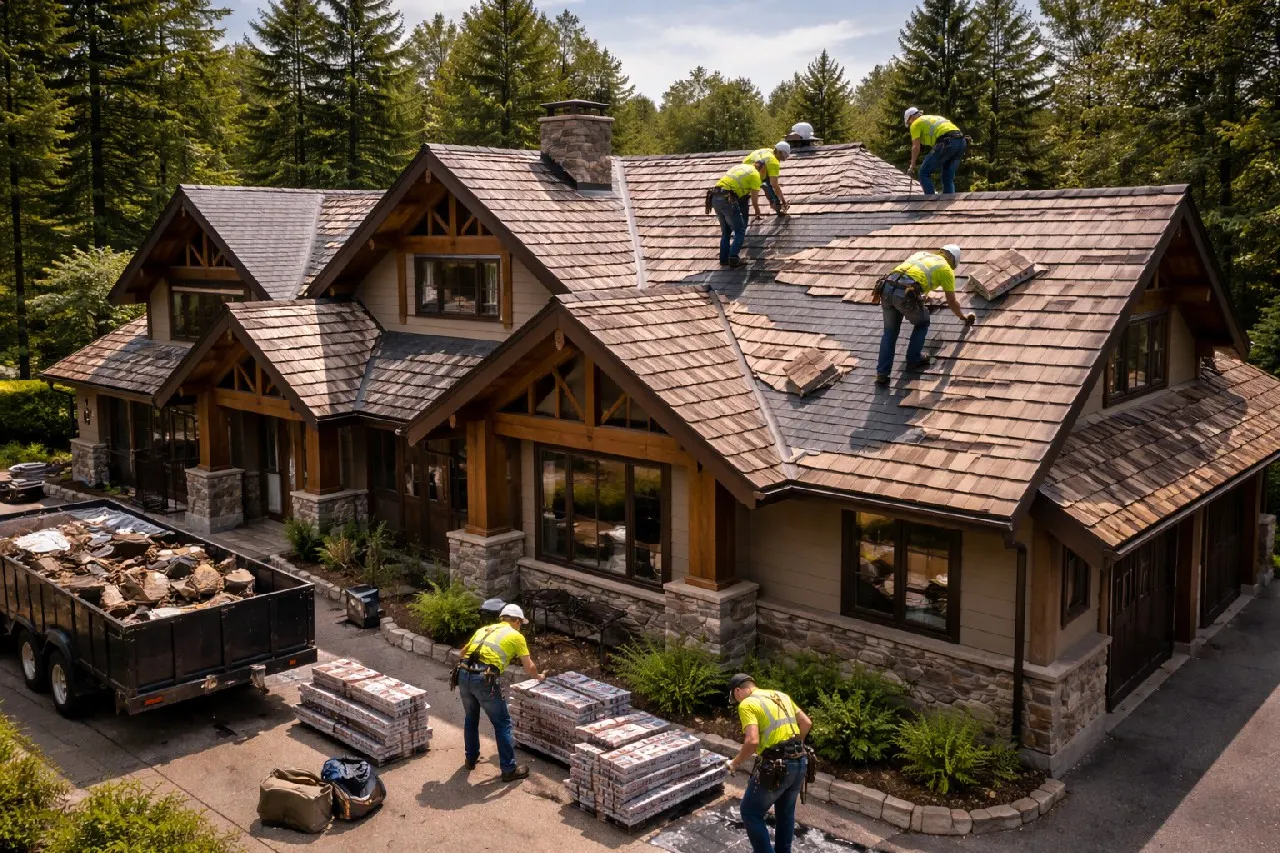
West Texas winds turn your roof into a landing strip for tumbleweeds, dry leaves, and grit. When this organic matter settles in your gutters, it acts like a sponge for moisture.
Even in our arid climate, when it does rain, that trapped debris creates a dam. This forces water to back up under your shingles, causing hidden rot and rusted fasteners that you won't see until the ceiling starts to sag.
How to Keep Your Drainage System Flowing
You need to clear your gutters at least twice a year to stop these problems before they escalate. Follow this simple checklist to keep your home's drainage clear:
- Remove loose dirt and sand that settles after every major dust storm.
- Flush the downspouts with a garden hose to ensure water exits far from your foundation.
- Check for sagging segments where water pools instead of draining toward the spout.
If water sits in your gutters for days after a storm, it creates the perfect breeding ground for mold and attracts unwanted pests. Don't wait for a leak to tell you your gutters are clogged.
Clear the debris now to ensure that when the next West Texas thunderstorm hits, your roof sheds water exactly like it was designed to do. A clean gutter is the cheapest insurance policy you can buy for your home.
Why Professional Attic Ventilation Is Your Best Defense Against Heat Build-up
Most Midland homeowners treat their attic like a dark, forgotten storage unit. In reality, it is a pressurized furnace waiting to melt your shingles from the inside out.
Without proper airflow, hot air has nowhere to go. It sits directly under your roof deck, baking your roofing materials in an oven-like environment that can reach temperatures well over 150 degrees.
When shingles are cooked from both sides—scorching desert sun on top and trapped heat from below—they lose their structural integrity rapidly. This is exactly how your roof begins to blister, crack, and fail years before it should.
How Pro-Grade Ventilation Saves Your Roof
A professional ventilation system is not just about comfort; it is about extending the lifespan of your entire roofing system. Here is why you cannot ignore the vents:
- Reduced Thermal Shock: Proper circulation keeps the roof deck temperature closer to the ambient air, preventing the rapid expansion and contraction that tears seams apart.
- Moisture Control: Even in our dry climate, humidity can get trapped. Proper vents allow that moisture to escape before it rots your wooden rafters.
- Energy Savings: An attic that breathes allows your air conditioning unit to work significantly less, keeping your energy bills from skyrocketing during peak summer months.
If you see your energy bills climbing or notice shingles curling at the edges, it is a clear distress signal. You are likely dealing with a ventilation deficit that is slowly destroying your home.
Don't wait for your roof to buckle. A simple inspection of your intake and exhaust vents can save you thousands in premature replacement costs.
5. Case Study: Restoring a Midland Family Home After Sustained Sun Exposure
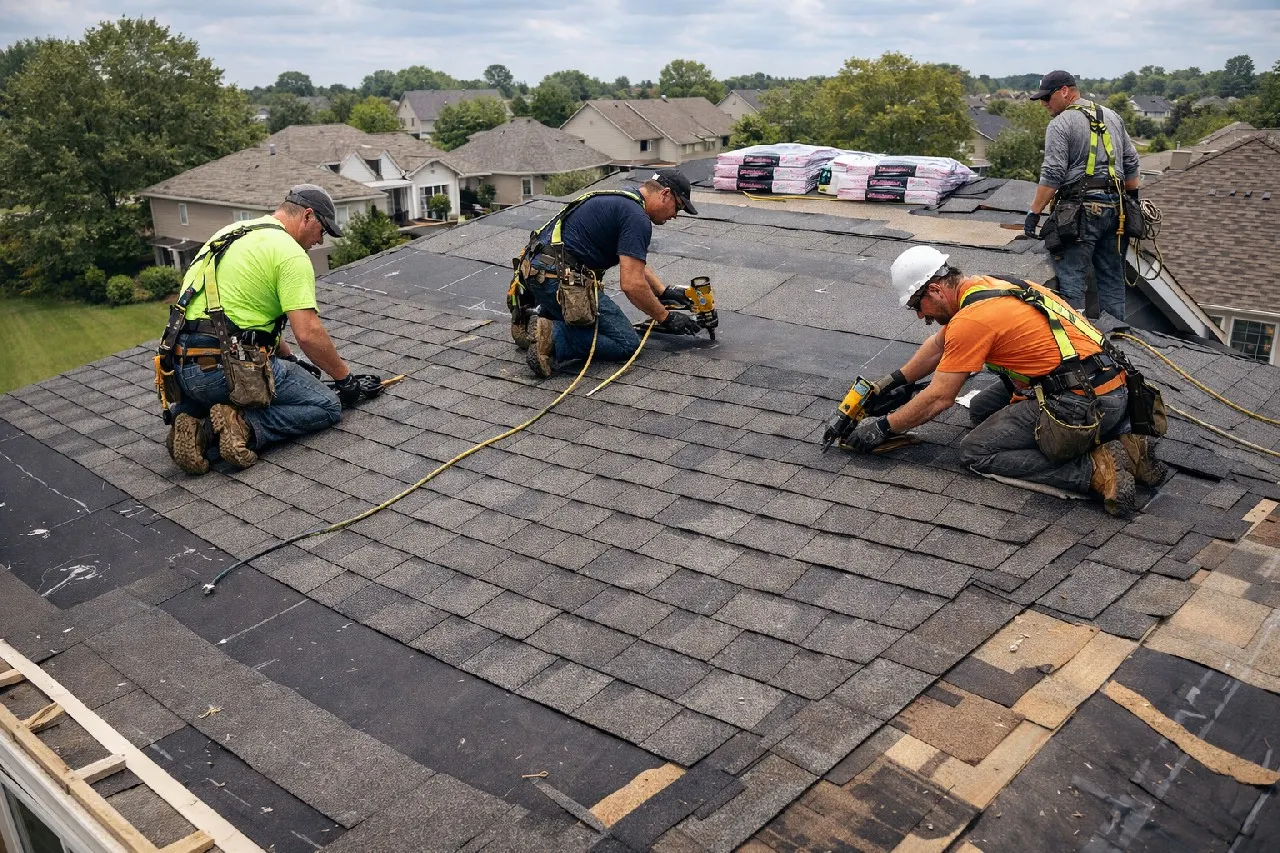
Consider the story of the Miller residence in North Midland. After ten years of baking under our unrelenting West Texas sun, their asphalt shingles had become brittle, curled, and practically devoid of protective granules.
They thought the roof was fine because it wasn't leaking yet. They were wrong.
By the time our team inspected the property, the heat had essentially cooked the oils out of the shingle composition. This left the roof vulnerable to cracking during the slightest temperature swing.
The damage was hidden, but it was deep:
- The underlayment had dried out, losing its water-shedding properties.
- Heat-induced shingle distortion allowed wind-driven rain to reach the decking.
- Structural stress started warping the rafters beneath the roofline.
Instead of a total tear-off, we intervened with a specialized restoration process. We replaced the compromised shingles, upgraded the ventilation system to dump that trapped attic heat, and applied a high-reflectivity coating.
This simple, strategic intervention saved the Millers roughly $12,000 compared to a full roof replacement. They stopped the ticking time bomb of decay before it destroyed their ceiling and interior framing.
When to Repair Versus When to Replace: Strategic Decision Making
Deciding between a patch job and a full tear-off is the single most important financial choice you will make for your home. You don't want to throw good money after bad by fixing a roof that has already passed its prime, but you also shouldn't be bullied into a new roof if a few shingles can bridge the gap for another five years.
Think of your roof like a car engine. If you have a small oil leak, you fix the gasket; you don't buy a brand-new vehicle. However, if the entire block is cracked, repairs are just a waste of time.
Signs that Repair is Sufficient:
- Localized damage from a recent high-wind event or debris impact.
- Less than 20 percent of the total roof surface shows signs of granular loss or curling.
- The flashing around your vents and chimney is damaged, but the underlying decking remains solid and dry.
On the flip side, sometimes the math just doesn't add up. If you are constantly chasing leaks from one corner of the house to the other, you are living in a ticking time bomb. Persistent water intrusion leads to mold, ruined insulation, and expensive damage to your ceiling joists that will cost far more than a new roof ever would.
Indicators that Replacement is Necessary:
- Your roof has reached or exceeded its expected lifespan, typically 20 years for standard asphalt shingles.
- The roof deck shows signs of sagging, which indicates deep structural decay.
- You are seeing widespread daylight through your roof boards when standing in the attic.
If you aren't sure, grab a ladder and look for excessive shingle curling or exposed fiberglass mats. When your roof starts to look like a shriveled raisin, the protective oils have long since evaporated, and no amount of caulking will fix the underlying brittleness. At that point, a replacement is the only way to protect your biggest asset.
7. Final Words: Investing in Routine Care for Long-Term Structural Peace of Mind
Think of your roof like your vehicle. You wouldn't drive a car for 100,000 miles without ever changing the oil, yet most people treat their home’s shelter exactly that way.
Committing to consistent Roof Maintenance is the difference between a minor patch job and a catastrophic mortgage-sized expense. When you stay ahead of the curve, you stop paying for disasters and start paying for longevity.
You need a simple game plan to protect your equity:
- Schedule your biannual inspections before the peak heat hits.
- Clear those gutters every single time the wind dies down after a storm.
- Keep a small log of any repairs performed to maintain your property records.
At the end of the day, a well-maintained roof buys you something money usually can't: absolute peace of mind. You stop worrying about what might happen when the sky turns gray or the thermometer climbs into the triple digits.
Taking action now isn't just about shingles and tar. It is about protecting your family and your future from the unpredictable West Texas elements.
People Also Ask
How often should I inspect my roof in Midland, TX?
Due to the harsh climate and frequent dust storms, experts recommend biannual inspections at a minimum. It is also wise to perform a visual check after any major weather event to identify loose shingles or debris accumulation.Does the heat in West Texas really damage roofing materials?
Yes, extreme thermal expansion and contraction cause roofing materials to warp, crack, and lose their granular coating over time. Regular maintenance helps mitigate these effects by ensuring shingles remain secured and reflective layers stay intact.Why is attic ventilation important for Midland homes?
Proper ventilation prevents heat from becoming trapped in your attic, which can prematurely age your shingles from the underside. By allowing hot air to escape, ventilation keeps your roof surface cooler and significantly extends its overall lifespan.What are the signs that my roof needs repair versus replacement?
Minor issues like missing granules, isolated leaks, or damaged flashing can often be fixed with targeted repairs. However, if you notice widespread curling, sagging, or frequent recurring leaks, a full replacement is usually the more cost-effective long-term solution.How do dust storms affect my gutters?
Dust storms deposit fine silt and debris into your gutter system, which creates clogs and prevents proper water drainage. When water pools on your roof or against your eaves, it can lead to moisture damage, wood rot, and structural compromise.Need Roofing Services?
We install and repair roofs across Midland, TX and nearby areas (79701, 79703, 79705, 79707, 79708) to deliver lasting protection on accelerated timelines.
Get Roofing Quote