
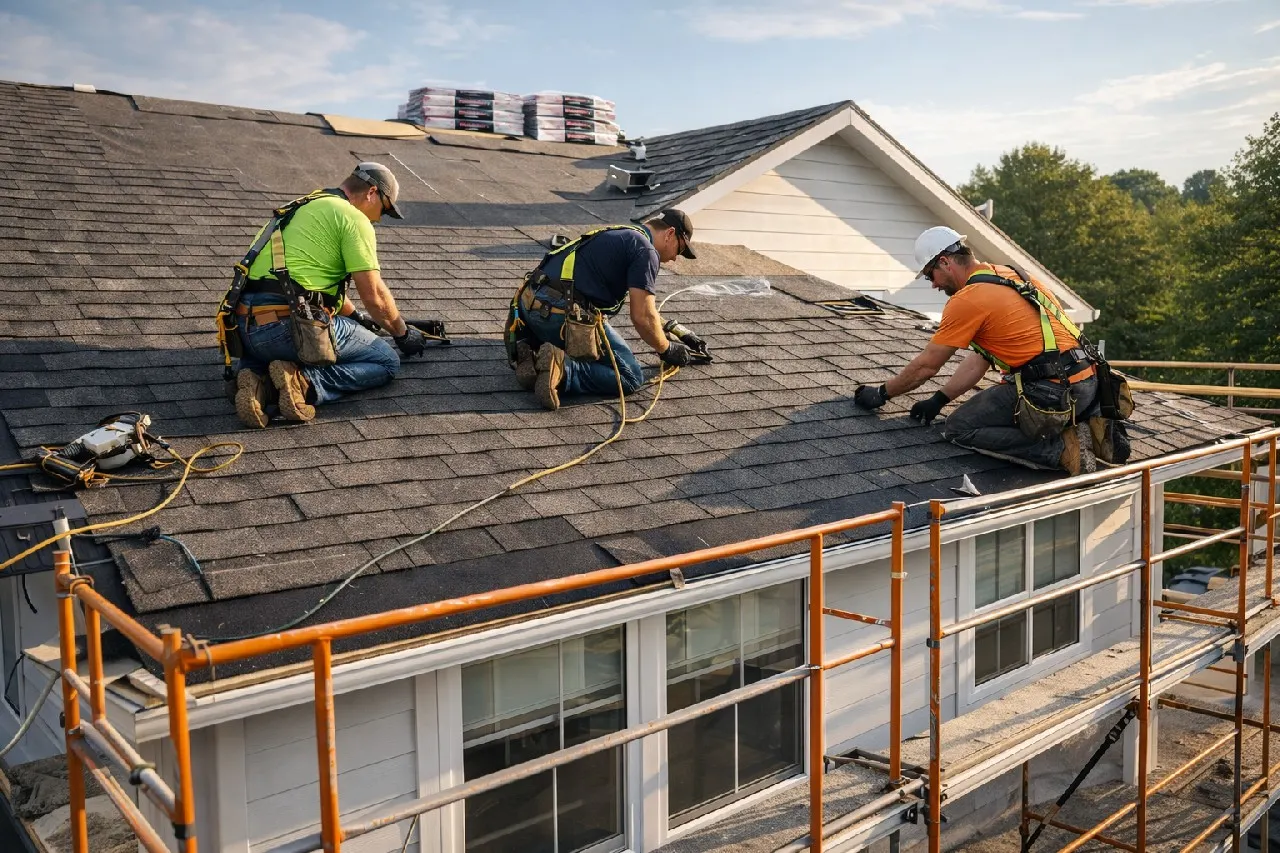


⚡ TL;DR: This guide helps Mesquite homeowners navigate asphalt shingle roof installation by selecting climate-appropriate materials and professional installation practices to ensure long-term durability against intense North Texas heat.
📋 What You’ll Learn
Navigating the unique climate of North Texas requires strategic roofing decisions. This guide explores how to select the right materials and installation techniques to protect your Mesquite home from extreme heat.
- Analyze heat impact on roof longevity by understanding how Mesquite’s soaring summer temperatures specifically break down traditional roofing materials and why standard three-tab shingles often fail prematurely here.
- Evaluate premium shingle grade options to determine whether architectural or impact-resistant shingles better serve your home's long-term defense against the harsh sun and frequent, unpredictable North Texas storms.
- Master essential installation system components by identifying the critical underlayment, ventilation, and flashing requirements necessary to build a high-performance roof that keeps your interior cool and energy costs down.
- Vet local roofing contractors effectively by learning the essential questions to ask professionals, ensuring you hire an expert who understands Mesquite building codes and local weather-related roof wear.
📖 Reading time: 8 min
✍️ Author expertise: Master roofer with over fifteen years of installing high-performance shingle systems across Mesquite.
Texas summers don't just get hot; they punish your roof until it curls, cracks, and gives up the ghost. If you think all asphalt shingles are created equal, you are setting your bank account up for a nasty surprise when the next heatwave rolls through Mesquite.
Most homeowners in this area get sold the cheapest materials available, only to watch them disintegrate within a few short years. You deserve a roof that actually stands its ground against the blistering sun and volatile weather patterns common to our corner of the state.
Before you sign a contract with the first roofer who knocks on your door, let’s talk about the specific shingle specs that turn a standard install into a long-term investment. Keep reading to discover exactly what you need to demand for your home to survive the Texas climate.
Understanding the Impact of North Texas Heat on Asphalt Shingles
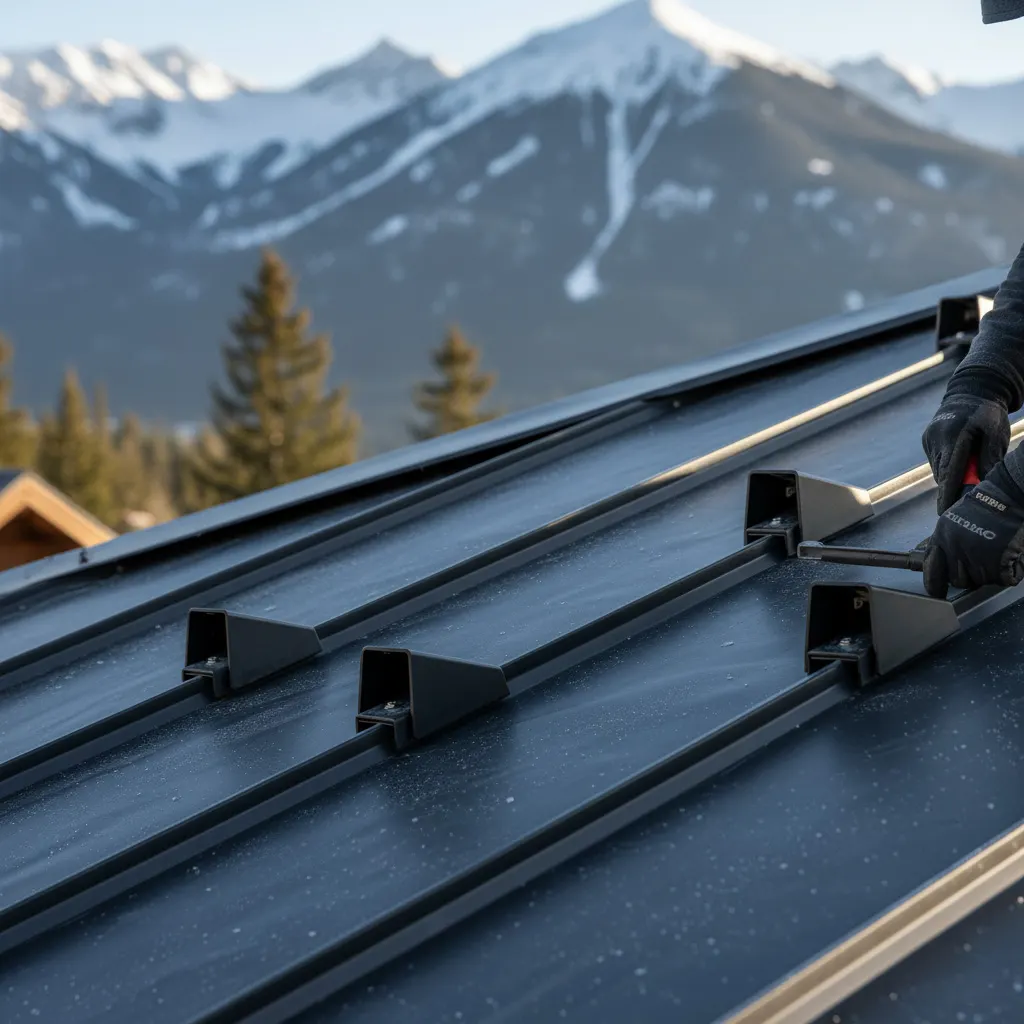
In Mesquite, your roof is basically an outdoor radiator working overtime. When the mercury climbs toward triple digits, the surface temperature of your asphalt shingles can easily skyrocket to 150 degrees or more.
This relentless thermal cycling causes the asphalt binder inside your shingles to bake and dry out. Once that binder loses its flexibility, the shingles turn brittle and lose their ability to shed water.
Think of it like a rubber band left on a hot dashboard. Eventually, it stops snapping back and starts snapping off.
The damage isn't just about heat; it is about the cumulative fatigue of materials that were never meant for such extreme conditions. Here is what is happening to your roof during a standard Mesquite July:
- The sun's ultraviolet rays break down the chemical bonds in the asphalt.
- As the materials bake, the essential granules that protect the shingle begin to shed and wash away.
- Once the granule layer is gone, the dark asphalt is exposed directly to the sun, accelerating the degradation process even further.
This leads to the dreaded curling, cracking, and loss of structural integrity that sends thousands of local homeowners to their checkbooks for premature repairs. If your roof isn't built to reject this heat, it is effectively rotting while sitting in the sun.
Why Standard Three-Tab Shingles Fail in the Mesquite Climate
You see them on every bargain-bin roof in North Texas: standard three-tab shingles. They are thin, lightweight, and frankly, completely out of their depth when faced with a Mesquite July.
These shingles rely on a single layer of asphalt that simply cannot handle the extreme thermal cycling we experience here. When the sun hits 100 degrees, the asphalt softens, and when the temperature drops at night, it contracts, leading to premature brittleness and cracking.
Think of them as the "disposable" option of the roofing world. They simply lack the physical mass required to protect your home from our unique environmental stressors:
- Low wind resistance ratings that leave them prone to blowing off during sudden storms.
- Minimal UV protection, which causes the granules to shed rapidly, leaving the asphalt exposed to direct sun.
- A lack of aesthetic dimension, which kills your home’s curb appeal while offering zero functional defense.
Most of these shingles are only rated for 60-mile-per-hour winds, which is laughable during a typical Mesquite thunderstorm. Once a few tabs curl up, the seal is broken, and you are just waiting for the next rain shower to cause expensive water damage to your decking and attic insulation.
By choosing the cheapest option, you aren't saving money; you are essentially paying for a roof that is designed to fail. Why gamble with your biggest investment when you can avoid this cycle entirely?
Architectural vs. Impact-Resistant Shingles: Choosing the Right Grade
When you walk through a hardware store, the shelves are stocked with options that look identical from the ground. But in the brutal Mesquite sun, the difference between these grades determines whether you are replacing your roof in five years or twenty.
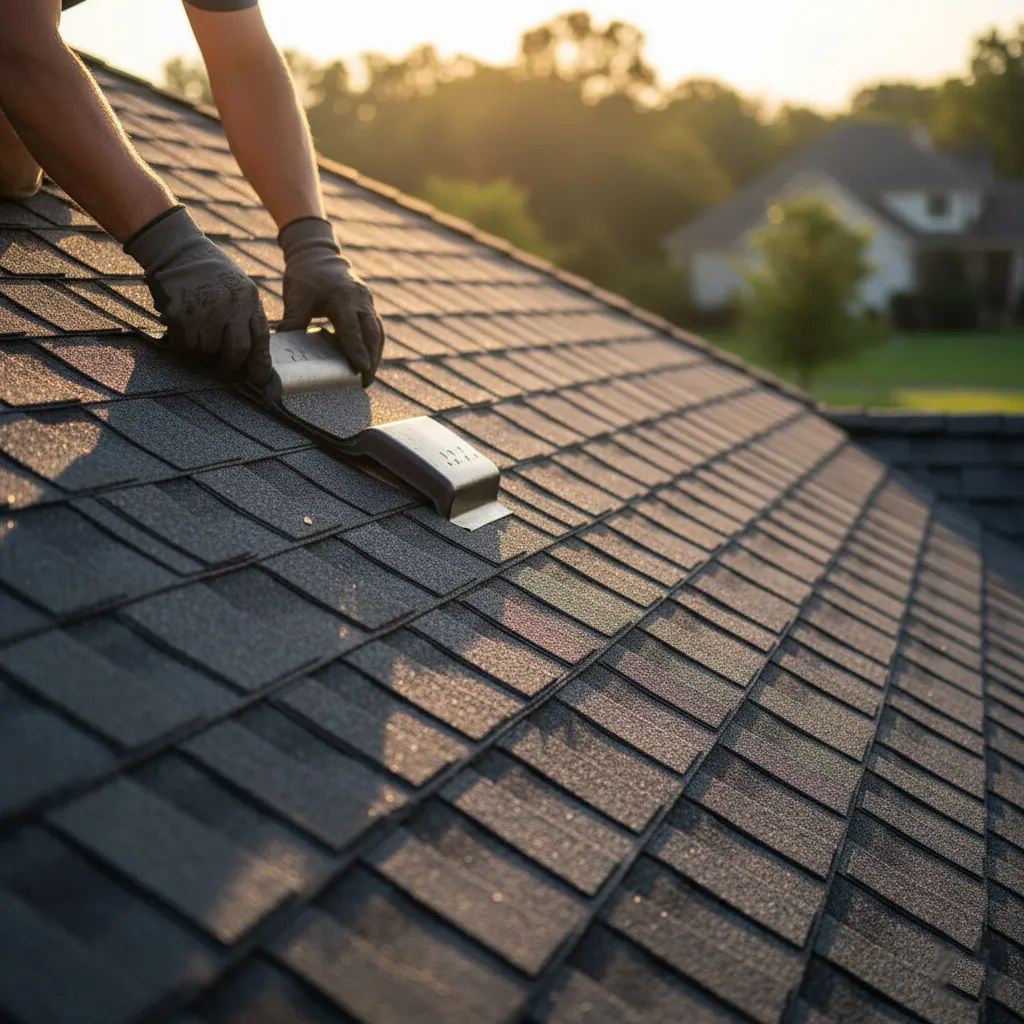
Architectural shingles, also known as laminated shingles, are a massive step up from basic options. They consist of multiple layers bonded together, which creates a thicker, more durable profile that actually sheds heat better than their flatter, thinner counterparts.
If you really want to armor your home against the unpredictable North Texas weather, you need to look at Impact-Resistant (IR) shingles. These are engineered to handle more than just heat; they are built for the heavy hail that occasionally tears through our neighborhoods.
Why Impact-Resistant Shingles are the Smart Play:
- Higher Wind Ratings: Most IR shingles are tested to withstand winds exceeding 130 mph, keeping your shingles glued to your roof during summer storms.
- Insurance Incentives: Many insurance providers in Texas offer significant premium discounts when you install a Class 4 impact-resistant roof.
- Superior Thermal Stability: The advanced polymer-modified asphalt used in these shingles prevents the granule loss that usually leads to premature cracking.
Think of it as investing in a shield rather than a basic cover. While the upfront cost is higher, the math favors the homeowner who stops replacing cheap materials every time a minor storm hits the DFW metroplex.
Critical Components of a High-Performance Roofing System
Your shingles are only as good as the system they are attached to. Think of it like putting high-performance tires on a rusted-out frame; the roof will still fail if the underlayment and ventilation are weak.
In the brutal Mesquite heat, your attic can easily reach temperatures above 150 degrees. If that heat is trapped, it cooks your shingles from the inside out, causing them to blister and lose their structural integrity prematurely.
To prevent this, you need a balanced roofing assembly that treats your roof as a single, working machine. Here is what separates a long-lasting roof from a temporary patch job:
- Synthetic Underlayment: Ditch the old-school felt paper. Modern synthetic materials provide a moisture barrier that won't tear during installation or crack when temperatures swing wildly.
- Proper Intake and Exhaust Ventilation: If your roof doesn't breathe, it dies. You must ensure your soffit vents and ridge vents provide a clear path for hot air to exit the attic constantly.
- Starter Strips and Hip/Ridge Caps: These aren't just cosmetic. High-quality starter strips lock the first row of shingles down, preventing wind uplift during the unpredictable spring storms we get here.
- Corrosion-Resistant Flashing: Steel flashing at your valleys, chimneys, and vents prevents water from seeping into your decking. Use only high-grade, rust-proof materials here.
If your roofer tries to skip the ventilation check or uses cheap, thin felt paper, show them the door. A high-performance install is about total system integration, not just slapping down the prettiest shingles on the market.
Case Study: Transforming a Mesquite Home with Premium Roofing Specs
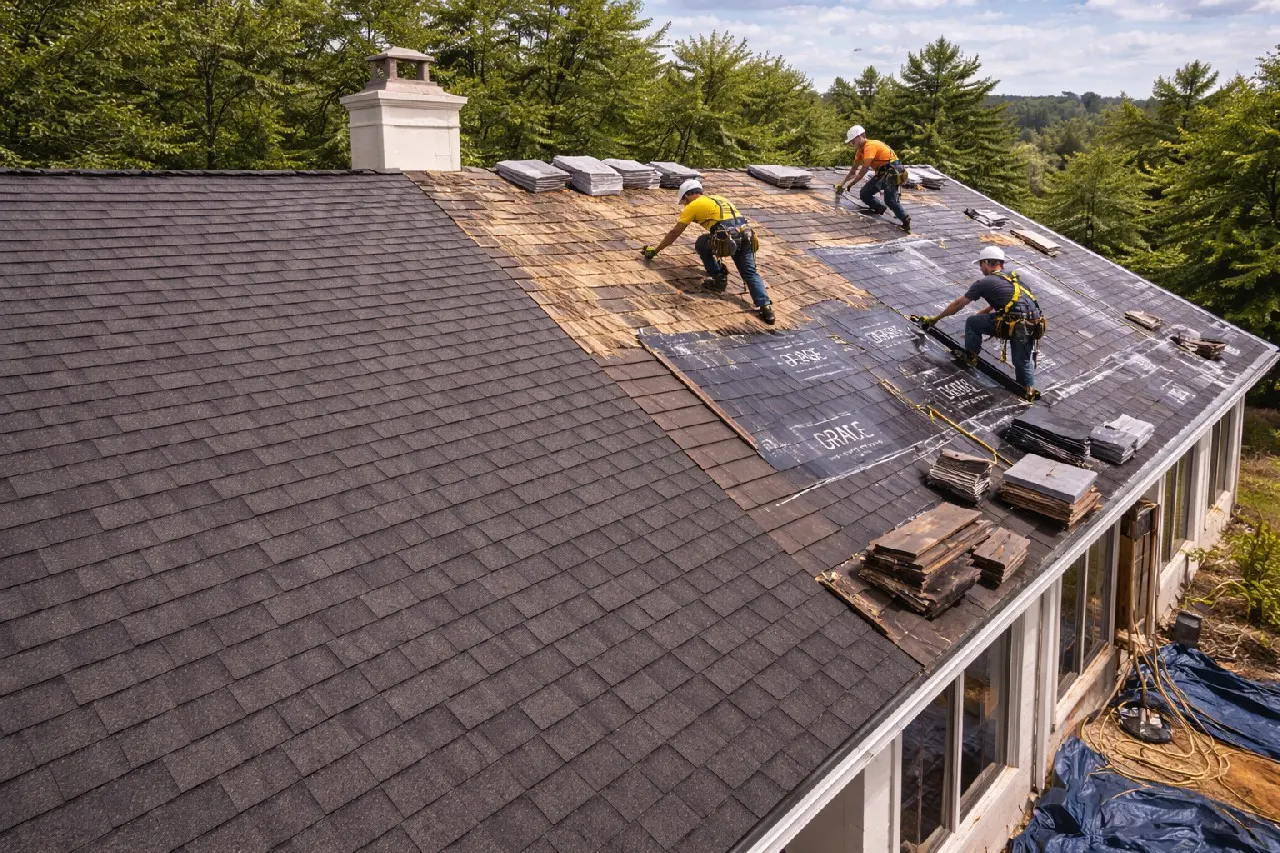
We recently took on a project for a homeowner in the North Mesquite area who was tired of replacing shingles every time a localized storm rolled through. Their previous roof was a standard budget-grade installation that had turned brittle and gray from years of relentless UV exposure. We swapped that failing system for a premium architectural shingle setup specifically rated for high-heat performance.
The transformation wasn't just about the cosmetic upgrade to the curb appeal. By upgrading their system, we integrated a full-deck ventilation plan that actually breathes, effectively pushing that trapped Texas heat out before it can bake the shingles from the bottom up.
Key Performance Upgrades Installed:
- High-Definition Architectural Shingles featuring dual-layer construction for better wind resistance.
- Synthetic Underlayment designed to stay flexible and shed moisture regardless of extreme temperature swings.
- Ridge Vent System to ensure consistent airflow and prevent heat buildup in the attic crawlspace.
The result speaks for itself. Since the installation, the homeowner reported a noticeable drop in their monthly utility bills during the peak of July and August. They no longer worry about the next storm tearing off their roof, because they invested in a system built to handle the reality of our climate rather than the lowest price point.
Vetting Your Contractor: Questions to Ask Before the Install Begins
Most homeowners sign a contract based on price alone, which is a fast track to a second roof installation three years later. You need to verify that your contractor understands the specific thermal expansion cycles we experience in Mesquite.
Before you commit, demand clear answers to these critical questions. If they hesitate, show them the door.
- What specific ventilation calculations are you using to ensure my attic doesn't turn into an oven?
- Are you installing a synthetic underlayment that can actually withstand 100-degree temperatures without tearing?
- Will you use high-quality starter strips, or are you just folding over the shingles at the edges?
- Can you provide a list of three local jobs you completed over five years ago that I can drive by today?
A true professional will offer a detailed breakdown of the materials beyond just the shingle brand. They should be able to explain the difference between standard fasteners and the high-wind nails required to keep your roof attached during a Mesquite storm.
Watch for contractors who push for "cost-cutting" measures like skipping the drip edge or using cheap felt paper. Cutting corners on the foundation of your roof is a disaster in the making. If the contractor cannot explain how their installation process accounts for thermal movement, they are likely just looking to flip your job for a quick profit.
Final Words
Investing in a high-quality roof isn't just about picking a color that looks good from the curb. It is about protecting your largest asset from the relentless North Texas thermal cycles that destroy cheap materials.
When you prioritize performance over price, you stop treating your roof as a temporary fix. You start treating it as a permanent shield for your family and your equity.
If you are ready to move forward with a professional Asphalt Shingle Roof Installation, remember that the quality of the install matters just as much as the shingles themselves. Demand top-tier ventilation, proper underlayment, and a crew that actually follows manufacturer specs to the letter.
Checklist for Your Next Move
- Verify that the contractor uses high-temp synthetic underlayment rather than standard felt.
- Ensure the ventilation plan accounts for the extreme Mesquite heat.
- Demand a written warranty that covers both the product and the workmanship.
Don't settle for the lowest bid if it means sacrificing your home's integrity. Grab a clipboard, hold your contractor to these standards, and build a roof that stays put when the next heatwave strikes.
People Also Ask
Are asphalt shingles good for the climate in Mesquite, TX?
Asphalt shingles are a popular choice in Mesquite, but they must be specifically rated for high-heat performance. Choosing high-quality architectural or impact-resistant shingles is essential to prevent premature curling, cracking, and granule loss caused by the intense North Texas sun.What is the difference between three-tab and architectural shingles?
Three-tab shingles are a basic, single-layer option that often lacks the durability required for extreme Texas weather. Architectural shingles are multi-layered, providing better wind resistance, a longer lifespan, and a more dimensional appearance that increases curb appeal.How often should asphalt roofs be replaced in North Texas?
While many standard asphalt roofs may show wear within 12 to 15 years due to thermal stress, high-performance systems can last 20 to 25 years or more. Proper attic ventilation and the use of solar-reflective shingle technology significantly extend the life of your roof in this climate.Why is proper attic ventilation important for asphalt shingle roofs?
Proper ventilation prevents heat from becoming trapped in your attic, which would otherwise bake your shingles from the underside. A well-ventilated roof deck keeps shingles cooler during the summer, preventing them from becoming brittle and failing prematurely.Do I need impact-resistant shingles for my home in Mesquite?
Impact-resistant shingles are highly recommended in Mesquite to protect your home against frequent North Texas hail storms. These shingles are engineered to absorb the force of debris and hail, often qualifying homeowners for significant discounts on their property insurance premiums.Need Roofing Services?
We deliver prompt roof replacements and repairs across Mesquite and nearby areas (75149, 75150, 75180, 75181, 75182), producing durable protection that holds up to local weather conditions.
Get Roofing Quote