


⚡ TL;DR: Learn six red flags to spot during roof inspections in McKinney, TX, like dark streaks, curling shingles, and sagging decks, to catch damage early and prevent leaks.
📋 What You’ll Learn
In this McKinney roof inspections guide, you'll uncover 6 critical red flags to spot first—from algae streaks to structural sags—empowering homeowners to catch issues early and avoid costly storm damage.
- Spot dark streaks on shingles from post-storm algae growth in McKinney, signaling moisture traps that shorten roof life and invite hidden decay.
- Identify missing, cracked, or curling shingles as wind damage alerts common in Texas weather, preventing water entry and escalating repairs.
- Detect granule loss in gutters exposing asphalt shingle wear, which speeds UV degradation and boosts leak risks for McKinney roofs.
- Examine damaged flashing near vents and chimneys, the sneaky leak path causing interior water damage in local homes.
- Notice sagging roof decks warning of structural failure ahead, demanding urgent fixes to safeguard your McKinney property.
📖 Reading time: 7 min
✍️ Author expertise: McKinney roofing pro with 20+ years inspecting local roofs from real storm-damaged field experience.
You're staring up at your McKinney roof after that latest Texas twister ripped through town, and your gut twists when you notice those dark streaks snaking down the shingles.
One missed sign like that, and you're staring down a repair bill that could hit five figures before you blink.
Spot these six red flags early, and you could save your home, your wallet, and a whole lot of headaches—let's jump into them now.

1. Dark Streaks on Shingles: Algae Growth After McKinney Storms
Those black streaks creeping down your shingles? That's algae, folks. McKinney's wild weather swings from brutal storms to sticky humidity create the perfect breeding ground. One good twister dumps moisture, and boom, Gloeocapsa magma takes hold.
Don't brush it off as harmless dirt. This stuff eats away at your shingle granules, weakening the protective layer. Your roof loses its shield faster, inviting leaks and early failure.
Spot It Quick from the Ground
- Grab binoculars. Look north-facing slopes first, they stay damp longer.
- Check for uniform black lines running vertically. Streaks wider than a pencil? Trouble brewing.
- Dark spots clustered near valleys or ridges? Algae loves those moist hideouts.
Call in a pro inspector now. Catch it early, and a simple clean plus zinc treatment stops the spread cold.
2. Missing, Cracked, or Curling Shingles: Wind Damage Warning
Those McKinney winds don't mess around. They slam your roof at 60 mph or more during storm season, ripping shingles loose or cracking them wide open. Spot this early, or water sneaks in and turns your attic into a swamp.
Curling edges? That's your shingles screaming for help. Heat and wind dry them out, making them lift at the corners like warped potato chips. Ignore it, and leaks follow fast.
Quick Checks for Shingle Damage
- Missing pieces anywhere—grab binoculars for a closer look from the ground.
- Cracks wider than a pencil line signal big trouble.
- Curling up at edges or ends? Prime leak spot.
Walk your yard after a blow. Collect any downed shingles as proof. Call a pro inspector pronto—delaying means dollars down the drain.
Granule Loss in Gutters: Asphalt Shingle Wear Exposed
Picture this. You're cleaning out your gutters after a heavy McKinney rain, and instead of just leaves, you scoop up a gritty black sludge. Those are the granules from your asphalt shingles, shedding like a snake losing its skin.
Shingles rely on those tiny rocks for UV protection and fire resistance. Lose too many, and your roof ages fast, turning brittle under Texas sun and hail.
Spot It Quick
- Black grit piling up in gutters or downspouts.
- Bare spots on shingles showing tar underneath.
- Shingles looking flat and faded, no longer bumpy.
That granule loss screams "repairs needed now." Ignore it, and leaks follow, rotting your roof deck from the inside out. Call for a pro inspection before the next storm hits.
Damaged Flashing: The Hidden Leak Pathway
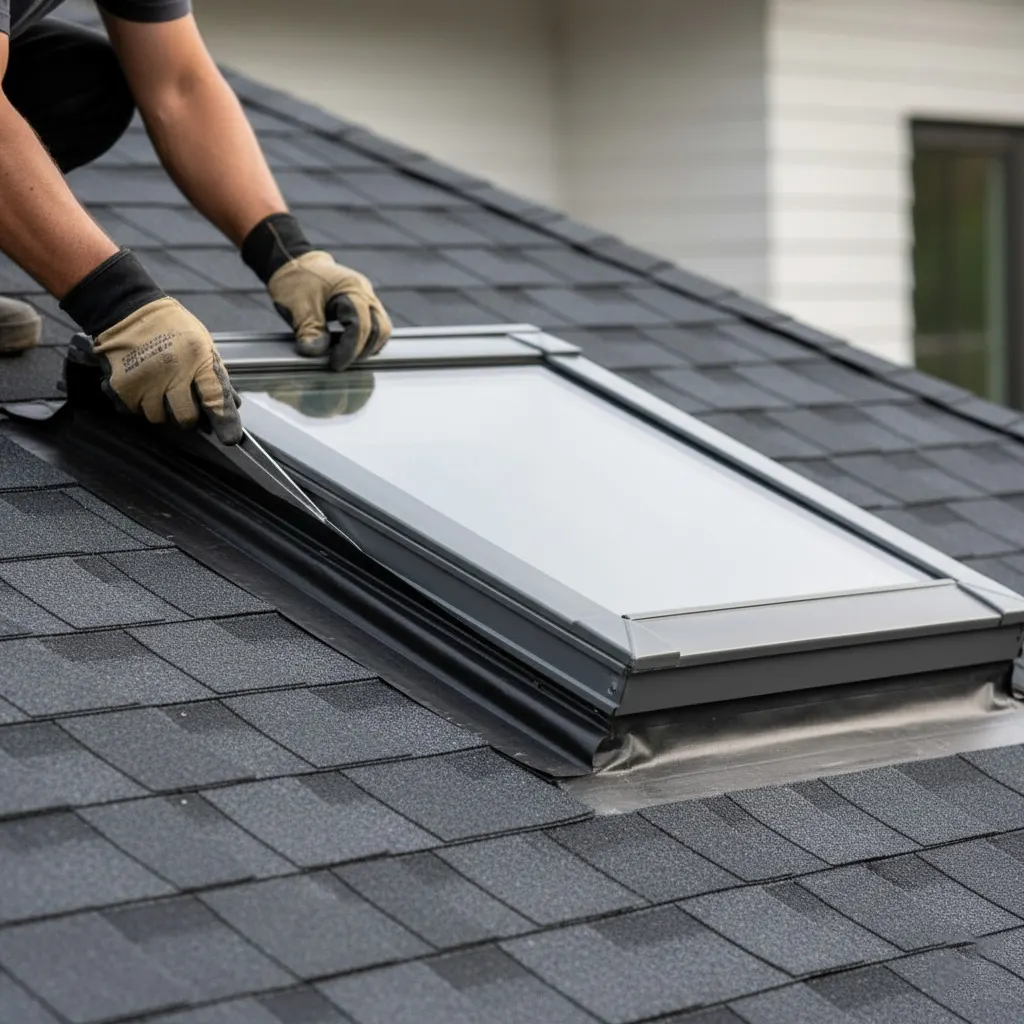
Flashing seals the spots where your roof meets chimneys, vents, or walls. In McKinney's wild weather, heavy rain and wind beat on these metal strips until they bend, crack, or pull loose. Ignore it, and water sneaks in like a thief, rotting your interior long before you notice.
Spot the trouble fast with these telltale signs:
- Lifted or missing pieces around pipes or skylights.
- Rust streaks or corrosion eating away at the edges.
- Cracks or gaps where sealant has dried and peeled off.
Why McKinney Homes Get Hit Hard
Our Texas hail and gusts up to 70 mph hammer flashing first. One storm, and it's compromised. Call your roofer before that drip turns into a flood inside your attic.
Fix it right away. A quick patch job now beats tearing out water-damaged drywall later. Your home deserves that protection.

Sagging Roof Deck: Structural Failure Ahead
Picture this: your roof looks fine from the ground, but up close, the decking sags like a hammock under too much weight. That's your roof's plywood backbone giving way, often from years of McKinney humidity rotting the wood or relentless storm loads cracking it.
Ignore it, and you're inviting total collapse. Water sneaks in, weakens joists, and suddenly your ceiling bulges downstairs. One heavy rain, and boom—disaster.
Spot the Sag Before It Drops
- Climb a ladder (safely) or use binoculars: look for dips between rafters wider than an inch.
- Check attic: soft spots underfoot scream trouble.
- Dark stains or mold? Rot's already eating away.
Call your McKinney roofer today. A quick inspection beats a full replacement every time—fix it now, sleep sound tonight.
McKinney Case Study: Rescuing a Local Home from Interior Leaks and More
Picture Sarah, a busy mom in McKinney's Craig Ranch neighborhood. After a brutal hailstorm last spring, she spotted dark streaks on her shingles and a few curling edges. Water stains started creeping across her bedroom ceiling, but she called us before it turned into a nightmare.
What We Uncovered During Inspection
- Granules clogging gutters like sand in an hourglass—shingles down 40% already.
- Cracked flashing around the chimney, inviting leaks straight inside.
- A slight roof sag signaling weak decking from years of Texas sun and wind.
Full inspection hit paydirt. We traced every red flag back to storm damage hidden under the surface.
Sarah's crew ripped out the damaged sections fast. New shingles, sealed flashing, and reinforced decking stopped leaks cold. Total bill? Under $8K—versus $25K if she'd waited for interior rot to spread. Her home's solid now, insurance covered most, and she's sleeping easy.
Final Words
Spot any of these red flags? Don't wait for the next storm to punch your roof full of holes.
Grab your phone right now. Call us for a free McKinney roof inspection before small issues explode into disasters.
We just saved a neighbor's home from buckling under hidden rot. You could be next.
Ready to bulletproof your roof?
- Schedule today - spots fill fast after wind events.
- Check out our full guide in the Roof Inspection section for more intel.
- Avoid five-figure regrets. Act fast.
People Also Ask
What are the most common red flags during a McKinney roof inspection?
Dark streaks from algae, missing or curling shingles, and granule loss in gutters top the list of red flags in McKinney's humid climate. These issues often stem from storms and age, signaling potential leaks if ignored. Schedule a professional inspection to catch them early and prevent costly repairs.
How can I spot wind damage on my McKinney roof?
Look for missing, cracked, or curling shingles, especially after North Texas storms common in McKinney. Wind lifts shingles, exposing the underlayment to water intrusion. A quick visual check from the ground can reveal these; contact local roofers for a safe, thorough assessment.
What does granule loss in gutters indicate for my roof?
Granules in gutters mean your asphalt shingles are wearing down, losing their protective layer against UV rays and impacts. This accelerates deterioration and increases leak risks in McKinney's variable weather. Regular inspections help quantify the loss and plan timely replacement.
Why is damaged flashing a critical issue during roof inspections in McKinney?
Flashing around chimneys, vents, and valleys seals joints; damage creates hidden leak paths leading to interior water damage. McKinney's heavy rains exacerbate this, often unnoticed until mold or rot sets in. Professional roofers use inspections to seal or replace flashing promptly.
How do I identify a sagging roof deck in McKinney homes?
A sagging roof deck appears as dips or waves in the roofline, indicating weakened structural support from rot or overload. In McKinney's aging homes, this precedes major failures like collapses. Hire certified inspectors to safely evaluate and recommend reinforcements.
Need Roofing Services?
We repair and replace roofs fast in McKinney, TX and nearby areas (75069, 75070, 75071), delivering durable protection that stands up to Texas weather.
Get Roof Quote