


⚡ TL;DR: This comprehensive guide explores how to ensure lasting asphalt shingle roof installation in McAllen by addressing local heat challenges, proper ventilation, and precise maintenance to protect your home.
📋 What You’ll Learn
Installing an asphalt roof in McAllen requires specialized knowledge to withstand South Texas intensity. This guide explores the essential techniques, materials, and maintenance strategies needed to ensure long-term residential roofing durability.
- Understand how intense heat affects shingles by learning why South Texas temperatures cause premature material degradation and how selecting the right high-performance products can successfully mitigate these risks.
- Master proper attic ventilation systems that prevent heat buildup under your roof deck, significantly extending the lifespan of your asphalt shingles while lowering your monthly energy cooling costs.
- Implement precision wind uplift protection through expert installation methods that lock shingles in place, preventing thermal shifting and structural damage during our region's unexpected high-wind storm events.
- Adopt proactive maintenance routines designed to shield your roofing investment year-round, ensuring that minor issues are identified and repaired before they evolve into costly full-scale roof failures.
📖 Reading time: 7 min
✍️ Author expertise: Experienced McAllen roofing contractor specializing in high-heat installation and durable roof system repairs.
The South Texas sun doesn't just shine in McAllen; it beats down with a relentless heat that turns most rooftops into ticking time bombs. If your shingles are curling, cracking, or losing granules every time a gust of wind hits, your home is already losing the battle against the elements.
Most homeowners assume a roof is a "set it and forget it" investment, but in our climate, that mindset is a fast track to expensive water damage and sky-high energy bills. You need a setup designed to survive the brutal triple-digit summers rather than one that just looks good for a season.
We are pulling back the curtain on how to choose the right materials and installation techniques to ensure your roof actually lasts as long as the box says it will. Keep reading to discover exactly what it takes to protect your property from the McAllen heat.

Understanding How McAllen’s Extreme Heat Compromises Asphalt Shingles
McAllen experiences a unique form of solar violence. When the mercury climbs past 100 degrees, the surface temperature of your roof can easily soar twenty to thirty degrees higher, creating a thermal pressure cooker that asphalt shingles simply weren't built to handle.
This cycle of extreme expansion and contraction is exactly what destroys your roof from the inside out. When shingles bake, the essential oils that keep them flexible begin to evaporate. Once those oils are gone, the material becomes brittle, leading to a host of expensive structural failures:
- Granule loss: The protective mineral coating sheds, exposing the vulnerable asphalt core to direct UV radiation.
- Thermal splitting: Rapid cooling after a hot day causes the material to crack, creating invisible entry points for rainwater.
- Curling and cupping: Shingle edges lift away from the deck, making them easy targets for the next South Texas windstorm.
Don't fall for the trap of thinking a standard shingle is enough for a McAllen address. If your installation doesn't account for these extreme thermal shifts, you are essentially paying for a roof that is already halfway through its lifespan on the day it is nailed down.
The Critical Role of Attic Ventilation in Extending Roof Longevity
Think of your attic like a lung. If that lung cannot breathe, the heat trapped underneath your roof decking turns into a thermal pressure cooker.
In McAllen, when your attic lacks proper airflow, temperatures can easily soar past 150 degrees. This trapped heat radiates upward, literally baking your asphalt shingles from the inside out until they become brittle, lose their protective granules, and snap like dry crackers.
You aren't just losing shingles; you are paying a premium to your utility company. Poor ventilation forces your HVAC system to fight a losing battle against heat radiating down from your ceiling.
The Anatomy of a Properly Ventilated Roof
To stop this cycle, your roof needs a balanced intake and exhaust system. Without this balance, moisture becomes trapped, leading to rot in your rafters and premature failure of your roof deck.
Here is what a professional installation must include to keep your home cool:
- Soffit Vents: These allow cool air to enter your attic at the lowest point of the roof.
- Ridge Vents: Installed at the peak, these act as the exit point for the superheated air.
- Balanced Airflow: The intake must match the exhaust capacity, or you create dead zones where heat settles and lingers.
Don't fall for the myth that "more vents are always better." If you install a power attic fan without enough intake, you create negative pressure that can actually pull conditioned air out of your living space.
Precision is the key. A well-engineered ventilation system will pay for itself in lower energy bills and an extra decade of life for your shingles.
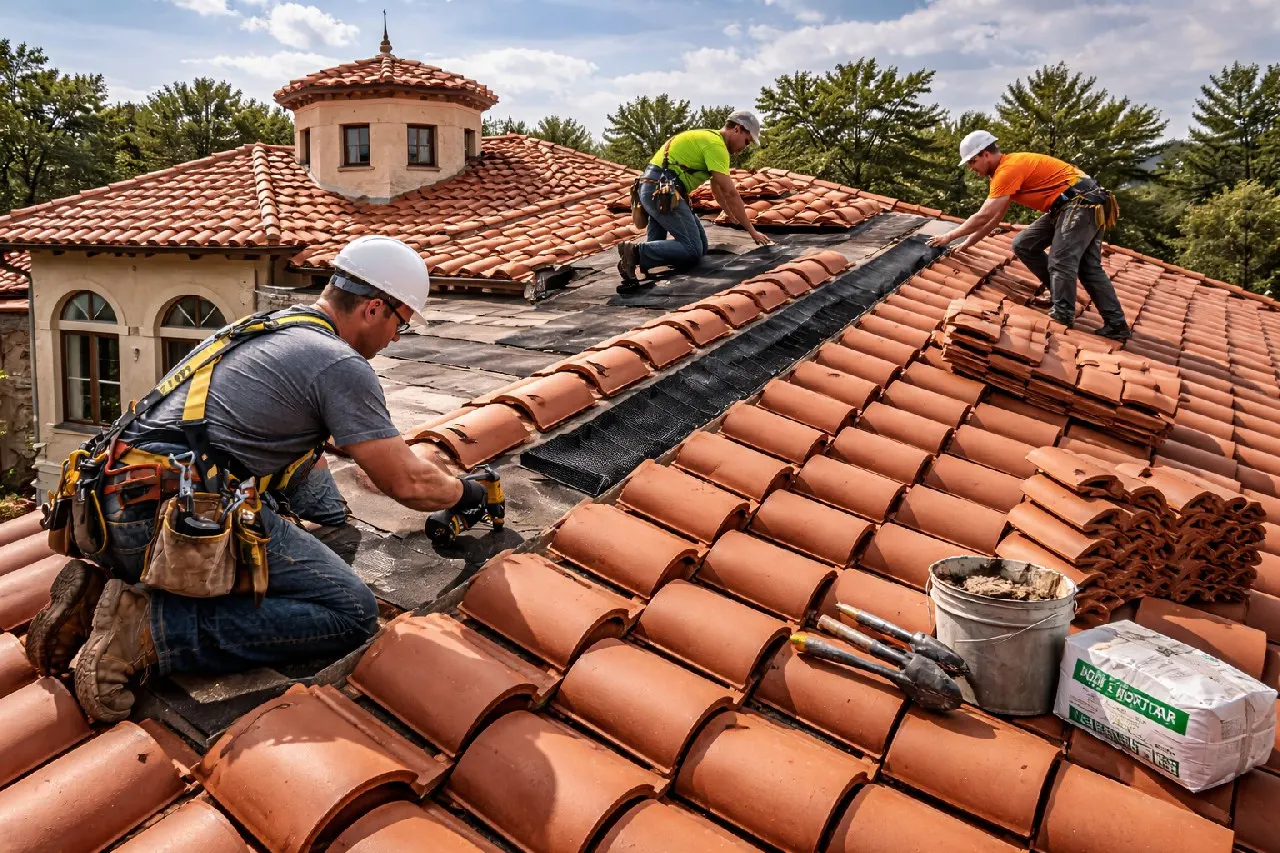
Selecting High-Performance Shingles Designed for South Texas UV Exposure
Standard architectural shingles will fail prematurely under the relentless McAllen sun. If you pick the wrong product, the scorching temperatures will bake the oils right out of your shingles in just a few short years, leaving them brittle and prone to shattering.
You need to look for shingles specifically engineered for extreme solar reflection. These advanced materials act like a shield, bouncing heat away from your home instead of soaking it up like a sponge.
When shopping for shingles in our area, prioritize these specific features to ensure your roof doesn't turn into a liability:
- Cool Roof Technology: Granules coated with reflective minerals that significantly lower surface temperatures.
- High-Temperature Resistance: Shingles tested for thermal stability so they won't warp or lose their shape when the thermometer hits triple digits.
- Extended Warranty Coverage: Manufacturers who stand by their product specifically in high-UV climates like the Rio Grande Valley.
Don't fall for marketing hype that claims "all shingles are made the same." The difference between a budget shingle and a high-performance system is the difference between a roof that lasts a decade and one that stays solid for twenty-plus years.
Investing in the right materials today saves you from the gut-wrenching cost of a total roof replacement before your kids even finish school. Always verify the solar reflectance index of your chosen shingle before a single nail is driven into your deck.
Precision Installation Techniques That Prevent Wind Uplift and Thermal Shifting
Most roofing failures in McAllen aren't caused by cheap materials, but by sloppy craftsmanship. When your installer ignores the manufacturer’s nailing pattern, they are essentially handing your roof over to the next tropical storm or high-heat afternoon.
Precision is the difference between a roof that stays put and one that ends up in your neighbor's yard. We focus on two specific technical threats that ruin poorly installed systems:
- Wind Uplift: We use the exact number of nails specified for your shingle type, placed in the precise "nail line" to ensure high-wind resistance.
- Thermal Shifting: Because metal and asphalt expand at different rates, we install the underlayment and fasteners to allow for natural expansion without tearing the shingle fabric.
Think about the mechanics for a second. If a nail is driven in at an angle, it creates a stress point that pops the shingle up as soon as the Texas sun hits it. That tiny gap becomes a gateway for moisture.
Our crews use high-tensile fastening methods that lock each shingle into place. By avoiding common shortcuts like over-driving nails, we make sure your shingles remain flat and secure, regardless of how intense the temperature swings become.
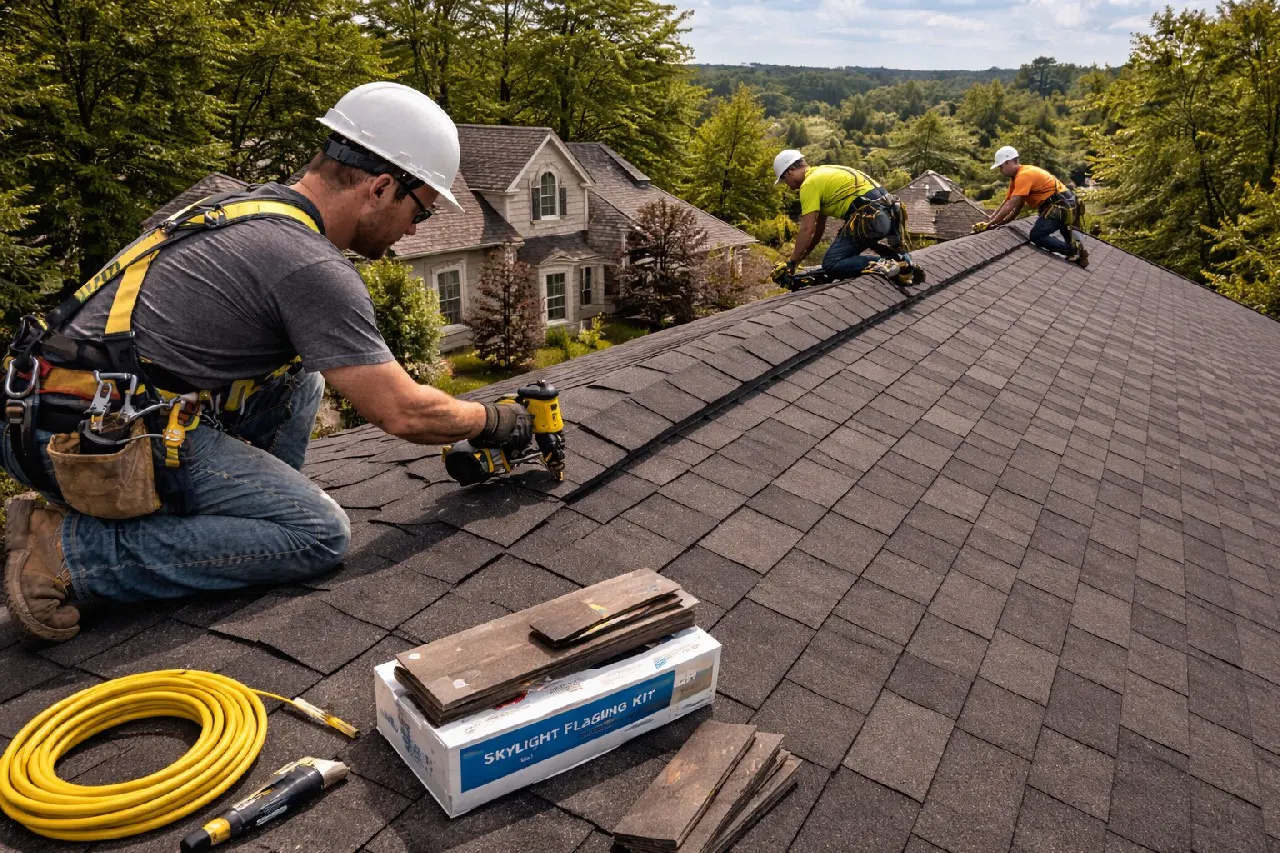
Case Study: Restoring a McAllen Residential Roof After Sustained Heat Damage
Last summer, we handled a project for a homeowner in North McAllen whose roof was literally baking off the deck. Their original asphalt shingles were brittle, the granules had washed away into the gutters, and the thermal expansion had caused the shingles to slide right off their nails.
The roof was only seven years old, but it looked like it had been through a war. The heat had turned the asphalt substrate into a dry, crusty mess that offered zero protection against our sudden monsoon-style rainstorms.
We stripped the entire system down to the bare deck to see exactly where the failure began. What we found was a classic case of heat-induced material decay combined with a complete lack of airflow in the attic. The damage was so severe that the plywood sheathing had actually started to warp from the trapped thermal energy.
To fix this, we didn't just slap on new shingles and call it a day. We implemented a high-performance restoration strategy:
- Installed cool-roof rated shingles that reflect UV rays rather than absorbing them.
- Added a high-temperature underlayment that remains stable even when surface temps hit 160 degrees.
- Upgraded the intake and exhaust ventilation to ensure the attic could actually breathe.
The result? A roof that stays significantly cooler to the touch and a home that stopped hemorrhaging cash on air conditioning. We turned a failing, dangerous structure into a fortress against the South Texas sun by focusing on the physics of heat transfer rather than just the color of the shingles.
Maintenance Strategies to Shield Your Roofing Investment Year-Round
Your roof works harder than any other part of your home, especially when the McAllen sun is punishing your shingles for 12 hours a day. If you wait until you see a leak in your living room, you have already waited too long. You need a proactive defense plan to stop minor issues from turning into a full-scale roof replacement.
Start by scheduling a professional inspection twice a year. An expert eye will spot loose fasteners, displaced granules, or minor shingle curling that you will surely miss from the ground. Catching these small cracks in your armor early is the difference between a simple patch job and a costly structural repair.
Essential Seasonal Maintenance Checklist
Don't leave your roof to chance. Keep these actionable steps on your radar to keep your home sealed tight:
- Inspect your chimney flashing and vent seals for hairline cracks every six months.
- Clear away debris like palm fronds and leaves that trap moisture against your shingles.
- Check your attic interior after heavy storms for signs of moisture or daylight peeking through.
- Trim back any overhanging tree branches that could scour your shingles during a windstorm.
Think of this maintenance as insurance for your bank account. A clean, well-inspected roof reflects sunlight better and sheds heat faster, keeping your cooling bills from spiraling out of control. Treat your roof with respect, and it will keep your family dry and cool for years to come.
7. Final Words
At the end of the day, your roof is the only thing standing between your family and the punishing South Texas environment. If you settle for bottom-tier materials or a contractor who rushes the job, you are essentially throwing money into a furnace.
Investing in a high-quality Asphalt Shingle Roof Installation is not just about keeping the rain out. It is about locking in energy savings and keeping your home cool while the rest of the neighborhood suffers from internal heat gain.
To get the most out of your investment, remember these non-negotiable rules:
- Always verify that your installer uses high-temp underlayment, not just standard felt paper.
- Ensure the nail pattern is strictly following the manufacturer’s high-wind specifications.
- Prioritize impact-resistant shingles that carry a Class 4 rating to combat hail and thermal stress.
Don't wait for your ceiling to show signs of water stains before you take action. A roof that is failing in McAllen will show subtle warning signs long before it turns into a total disaster.
Look for granule loss in your gutters and dark streaks on your shingles today. Catching these problems early is the difference between a simple repair and a full, bank-breaking tear-off.
People Also Ask
How long do asphalt shingles last in McAllen?
In the intense heat of South Texas, standard asphalt shingles typically last between 15 to 20 years. Their lifespan is heavily dependent on proper attic ventilation and the selection of high-quality, UV-resistant materials.What type of shingles are best for South Texas heat?
Architectural or luxury laminate shingles with cool-roof technology are ideal for the McAllen climate. These shingles are designed to reflect more sunlight and resist thermal cracking caused by prolonged exposure to extreme temperatures.Does humidity affect asphalt shingle installation?
Yes, high humidity can trap moisture in the roof deck if not properly ventilated during the installation process. Experienced installers ensure that the roof system allows for airflow to prevent rot and premature granule loss on your shingles.Why is attic ventilation critical for roofing in McAllen?
Proper ventilation prevents heat buildup in the attic, which can bake your shingles from the underside and significantly shorten their lifespan. It also reduces energy costs by allowing hot air to escape before it radiates back into your living space.Are asphalt shingles wind-resistant in McAllen?
Modern asphalt shingles are rated for high winds, but their performance depends on precision installation using the correct number of nails and high-quality sealants. Properly installed shingles are engineered to withstand the gusty conditions often associated with South Texas storms.Need Roofing Services?
Providing swift roof repairs and replacements across McAllen and nearby areas (78501, 78503, 78504, 78539, 78577) to restore lasting home protection without delays.
Get Roofing Quote