

⚡ TL;DR: This guide outlines essential strategies for wood shake roof installation in Macon, focusing on climate-specific material selection, proper ventilation, and maintenance techniques to ensure your roof remains durable.
📋 What You’ll Learn
Installing wood shakes in Middle Georgia requires specific techniques to combat our unique climate. This guide provides local homeowners with the essential knowledge to ensure a durable, long-lasting cedar roof installation.
- Master Middle Georgia humidity challenges by learning how to select the right pressure-treated shakes and ventilation systems that prevent moisture buildup and decay in our humid climate.
- Select high-quality roofing materials to ensure your home remains protected against fire risks and rot, utilizing the most reliable, industry-standard cedar shake grades available for Southern homes.
- Implement precise underlayment and flashing to create a watertight barrier that stands up to Macon’s heavy, unpredictable rain seasons while protecting your home's structural integrity for many years.
- Adopt professional maintenance strategies through proven early-detection methods that stop rot before it spreads, effectively extending the lifespan of your custom cedar shake roofing investment significantly.
📖 Reading time: 7 min
✍️ Author expertise: Master roofer with two decades of experience installing premium wood shakes across Macon.
Most Macon homeowners think a wood shake roof is just about the aesthetic, but the humid Georgia heat creates a hidden war zone right above your head. If your contractor ignores the specific moisture patterns of our climate, your expensive new roof will turn into a rotting mess before you even finish paying it off.
You want that timeless, rustic curb appeal, but you need the kind of technical precision that keeps the rain out and the value high. Quality isn't a suggestion in this business; it is the only thing protecting your biggest investment from the next summer storm.
I have seen too many beautiful homes suffer from amateur mistakes that cost thousands to fix. Before you sign any contract or pick out your cedar, look over these essential installation secrets that separate a true professional job from a disaster waiting to happen.
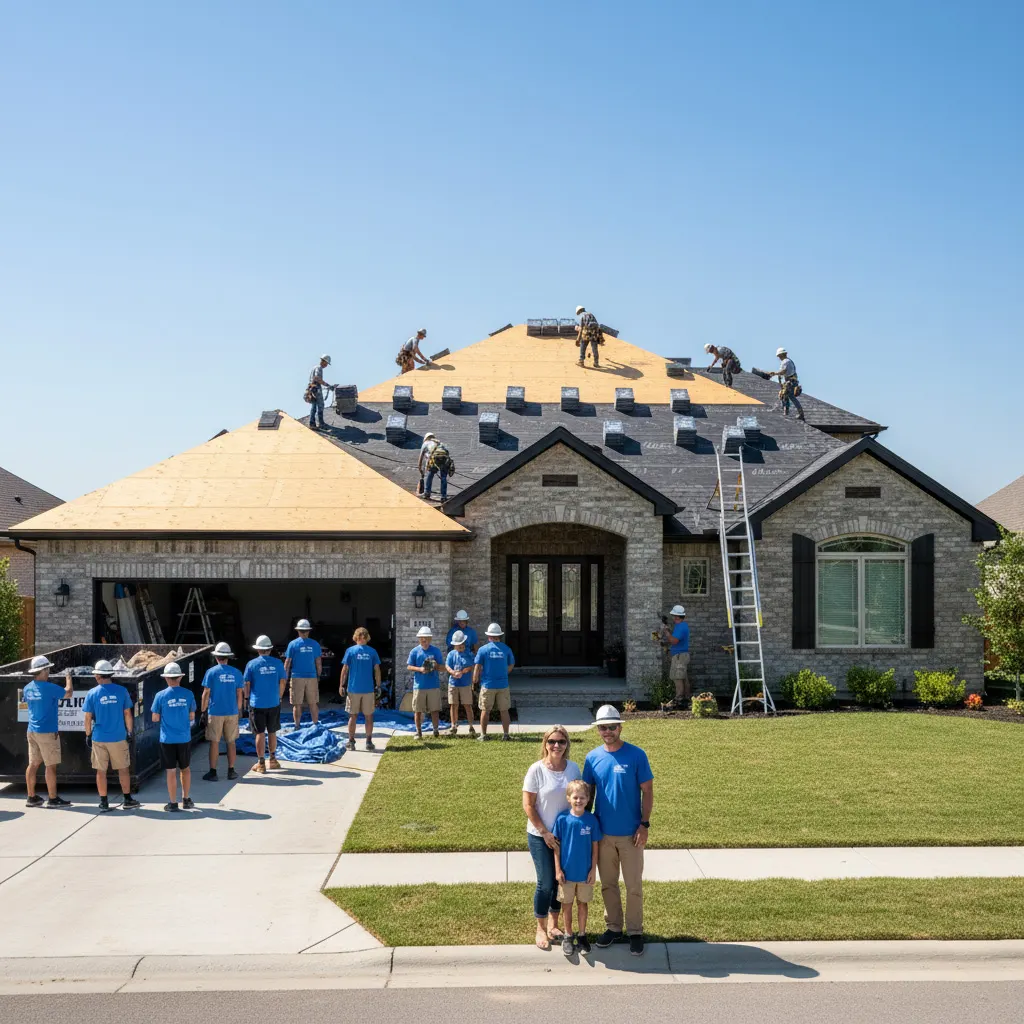
Understanding the Impact of Middle Georgia Humidity on Cedar Performance
Macon is beautiful, but our climate is a brutal stress test for natural wood. High humidity levels act like a sponge, keeping moisture trapped in the fibers of your cedar shakes long after the sun goes down.
If that moisture has nowhere to go, it becomes an incubator for mold, mildew, and structural rot. You aren't just installing a roof; you are managing a biological ecosystem that wants to break down your property.
To keep your shakes from curling or decaying prematurely, consider these factors:
- Daily Dew Points: Even on dry days, Middle Georgia mornings deposit significant condensation onto your roof surface.
- Shaded Zones: Areas under overhanging oak trees stay damp much longer, often becoming the first spots where decay takes root.
- Cellular Saturation: Untreated cedar can hold enough water to increase its weight significantly, leading to sagging decks and structural strain.
You need a professional who understands that airflow is the only defense against this silent moisture buildup. Without proper movement of air beneath the shakes, the wood never gets the chance to dry out completely, which is the fast track to a premature roof replacement.
Selecting High-Grade Materials: Why Fire-Treated and Pressure-Treated Shakes Matter
Most people grab the cheapest cedar they find on a quote, but that is a rookie mistake in Macon. Our local climate acts like a giant sponge, pulling moisture into wood fibers until they swell, split, and eventually turn into a playground for moss and mold.
You must demand fire-treated and pressure-treated shakes from day one. Untreated wood is essentially kindling waiting for a lightning strike or a hot ember, and it offers zero defense against the heavy Georgia rain.
Here is what your material list should include to guarantee longevity:
- Pressure-treated cedar: This contains fungicides and water repellents that stop rot at the cellular level.
- Class A or B Fire Retardant: This chemical treatment is often required by local codes and is non-negotiable for safety.
- Premium Taper-Sawn Shakes: These provide a cleaner look and have a thicker butt, which sheds water more effectively than cheaper, thin-cut shingles.
Do not let a contractor convince you that standard shakes are sufficient for our humidity. You are paying for a high-end roof, so force them to prove the materials meet international building standards for fire and decay resistance.
Think of these treatments as a suit of armor for your home. If you skip the chemical protection, you are just painting a target on your house for the next heavy storm to exploit.
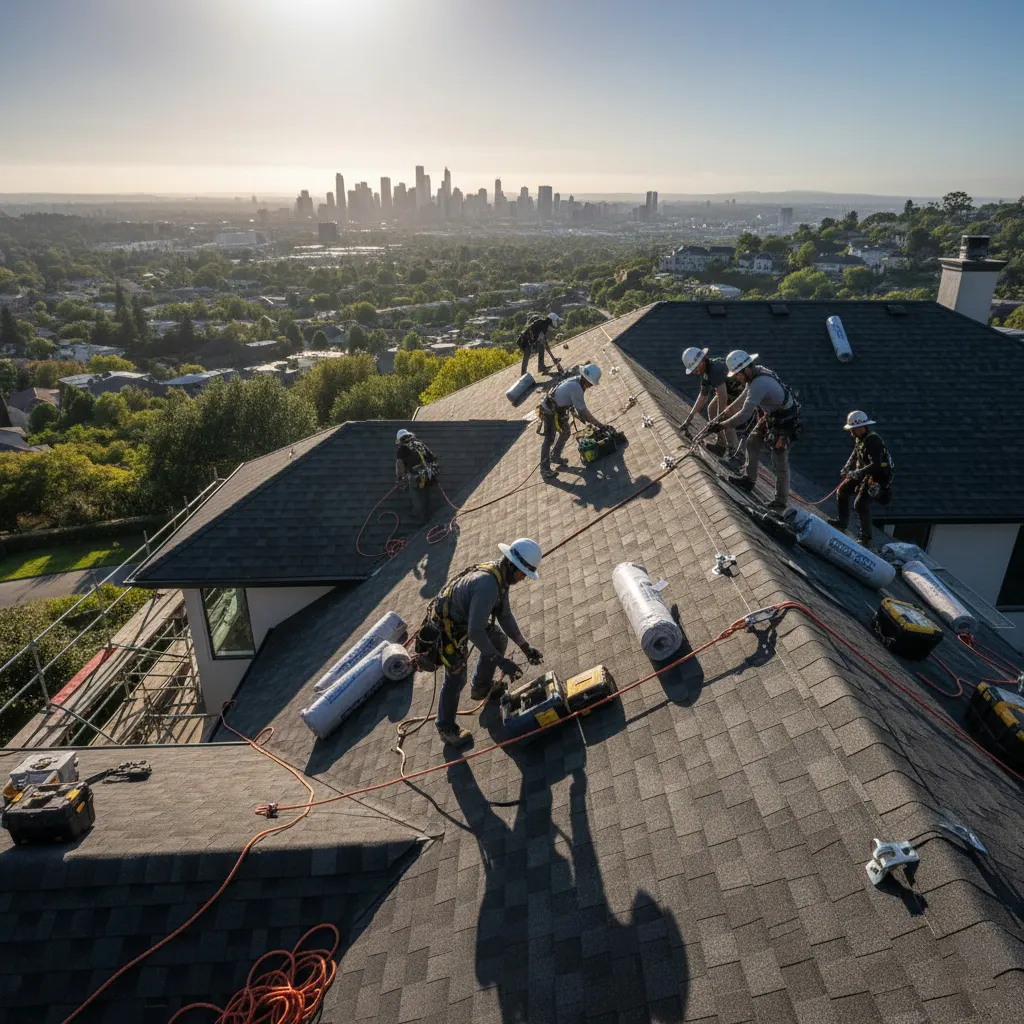
The Critical Role of Proper Ventilation and Airflow Systems
If you seal your attic like a tomb, you are practically asking for your wood shake roof to implode. Cedar shakes are natural, living materials that must breathe to survive the heavy Middle Georgia humidity.
Without a high-performance ventilation system, trapped heat and moisture build up directly beneath your roof deck. This causes the wood to warp, cup, and eventually rot from the underside out.
You need a balanced approach to airflow to keep the temperature differential stable. Think of your roof as a set of lungs; if they cannot intake and exhaust air, the structure will suffocate.
Key Ventilation Components for Macon Homes
- Continuous Ridge Vents: These run the entire length of the peak to let hot air escape naturally.
- Soffit Intake Vents: These draw in fresh, dry air from under the eaves to push out the damp air trapped inside.
- Baffle Systems: These prevent attic insulation from blocking the soffit vents, ensuring your airflow remains unobstructed.
Installing a high-quality ridge vent isn't just about moving air; it is about protecting your long-term structural integrity. If your contractor suggests skipping these, tell them to leave your property immediately.
An airflow system that is undersized or improperly placed creates dead zones where moisture pools. Those zones are exactly where mold thrives and your cedar lifespan gets cut in half.
Precision Underlayment and Flashing Techniques for Macon’s Heavy Rain Seasons
When the clouds open up over Middle Georgia, your roof becomes the primary line of defense against water intrusion. If your contractor treats the underlayment like an afterthought, you are inviting disaster into your attic.
Standard felt paper often fails to handle the intense temperature shifts we see in Macon. Instead, you need a high-performance synthetic underlayment that breathes while maintaining a total water barrier.
Essential Protection Layers
- Ice and Water Shield: Apply this specialized membrane at every valley, chimney, and roof penetration to prevent leaks where water gathers.
- Breathable Barriers: Use top-tier synthetic materials that allow moisture vapor to escape from the house while blocking liquid rain.
- Corrosion-Resistant Fasteners: Always use stainless steel or high-grade copper nails to prevent the metal from corroding against the natural acids in cedar.
Flashing is the silent partner of a long-lasting wood shake roof. If your installer cuts corners on step flashing or uses cheap materials around your dormers, your roof will leak long before the cedar loses its structural integrity.
Ask your contractor specifically about copper or heavy-gauge aluminum flashing installations. These materials stand up to our humid, wet climate without rusting away after just a few years of heavy summer downpours.

Case Study: Restoring a Historic Macon Home with Custom-Installed Wood Shakes
We recently took on a project involving a century-old residence in the Shirley Hills neighborhood. The original roof had failed because previous contractors ignored the specific pitch requirements of historic Macon architecture, leading to trapped moisture and rapid decay.
Our team had to strip the deck down to the rafters to ensure structural integrity. We replaced the rotted substructure and implemented a custom-fitted shake installation designed to breathe even during our most brutal humidity spikes.
To honor the home's heritage while ensuring modern performance, we focused on these specific technical adjustments:
- Custom-tapered cedar shakes to match the unique thickness of the original Victorian-era shingles.
- A raised deck system to force constant airflow between the rafters and the shakes.
- Copper flashing hand-soldered to account for the home's complex roof lines and dormer transitions.
The result was a roof that looks like it belongs in a period piece, yet functions like a fortress against Georgia weather. By respecting the historic design and reinforcing it with modern moisture-blocking science, the owners gained unmatched curb appeal without the constant fear of water damage.
Best Practices for Professional Maintenance and Early Rot Prevention
Your cedar shake roof is a living, breathing component of your home that demands respect. If you treat it like a set-it-and-forget-it asphalt shingle roof, you are throwing money into a bonfire.
The biggest threat in Macon isn't just the sun; it is the accumulation of organic debris. Leaves, pine needles, and moss act like sponges, holding moisture against your shakes long after the rain stops.
If you don't keep the surface clear, you are inviting rot to settle in. Here is how you stay ahead of the curve:
- Clear your gutters twice a year to ensure proper drainage away from the roofline.
- Trim back overhanging tree branches to allow direct sunlight to hit the shakes and evaporate trapped water.
- Schedule a professional inspection every two years to check for curling, splitting, or soft spots that signal early decay.
Early rot prevention is all about airflow and cleanliness. If you see patches of dark moss or thick lichen, call in a professional immediately for a gentle, chemical-free cleaning.
Avoid pressure washing at all costs. High-pressure water strips the natural oils from the wood and drives moisture deep into the grain, essentially acting as a wrecking ball for your shingles.
Stick to a soft-wash approach that kills the spores without tearing the wood fibers. Treating your roof with respect today means you won't be looking at a total replacement five years down the road.
Final Words: Ensuring Your Investment Lasts for Decades
Your wood shake roof is not a set-it-and-forget-it purchase. It is a living, breathing component of your home that requires a proactive approach to remain beautiful and functional.
If you want to squeeze every cent of value out of your Wood Shake Roof Installation, you must shift your mindset from passive ownership to active management. Think of your roof like the engine in a high-end truck; it works harder than anything else on the property, so it demands regular check-ups.
Here is exactly how to safeguard your investment for the long haul:
- Inspect your roof twice a year, specifically after our heavy spring and autumn storms.
- Clear away debris like pine needles and oak leaves immediately, as these trap moisture against the wood.
- Trim back any tree branches that hang within five feet of your roofline to ensure proper sunlight exposure and airflow.
- Schedule a professional cleaning every few years to remove moss or algae growth before it compromises the cedar.
Do not wait for a leak to show up on your ceiling before you call for help. Water damage is stealthy, often showing up in your drywall long after it has compromised the structural integrity of your decking.
Keep your gutters spotless and your downspouts clear. When your drainage system fails, water backs up under the shakes, turning a thirty-year asset into a five-year headache.
Treat your roof with respect, hire only those who understand the unique humidity challenges of Macon, and you will enjoy the warmth and prestige of cedar shakes for decades. It really is that simple.
People Also Ask
Are wood shake roofs suitable for the climate in Macon, GA?
Yes, wood shake roofs can thrive in Macon when installed correctly with high-quality, pressure-treated cedar. Because Middle Georgia experiences significant humidity, choosing treated materials is essential to prevent premature rot and fungal growth.How long does a professionally installed wood shake roof last?
With proper installation, ventilation, and regular maintenance, a high-quality wood shake roof can last between 30 and 50 years. The longevity depends heavily on using fire-retardant materials and ensuring the roof deck has adequate airflow to combat moisture buildup.Why is specialized ventilation necessary for cedar shakes in Georgia?
Cedar is a natural material that needs to breathe to prevent moisture from becoming trapped underneath the shakes. In Georgia’s humid climate, proper attic ventilation and an elevated installation system are critical to preventing decay and extending the roof's lifespan.Is it worth investing in fire-treated wood shakes for my home?
Absolutely, investing in fire-treated shakes is highly recommended for safety and often required by local building codes. These treatments significantly reduce the flammability of the wood, providing essential protection against accidental fires while maintaining the natural aesthetic of the home.What maintenance steps should I take to prevent rot on my wood roof?
To prevent rot, you should keep the roof free of debris, leaves, and overhanging tree branches that hold moisture against the shakes. We recommend professional inspections every two to three years to check for damaged shingles and to ensure that gutters remain clear for optimal drainage.Need Roofing Services?
We provide fast roofing installations and repairs that deliver lasting protection for homes in Macon and nearby areas (31201, 31204, 31206, 31210, 31216).
Get Roofing Estimate