


⚡ TL;DR: Learn key secrets Little Rock homeowners use for metal roof installation, from selecting gauges and coatings for storms to ventilation, seams, and finishes that withstand local weather.
📋 What You’ll Learn
Unlock the metal roof secrets Little Rock homeowners rely on for storm-proof installations that last decades against Arkansas weather challenges, from material choices to finishing details.
- Master ideal metal gauge and coatings tailored for Little Rock storms, ensuring superior wind resistance, hail protection, and long-term corrosion resistance in humid conditions.
- Perfect roof deck preparation as the unseen foundation that prevents warping, leaks, and failures, setting up flawless metal roof performance from day one.
- Conquer ventilation strategies to fight heat, humidity, and moisture buildup, boosting energy efficiency and extending roof life in Arkansas's variable climate.
- Implement standing seam techniques that lock out heavy rains and winds, providing watertight seals and easy maintenance for enduring durability.
- Refine fasteners, flashing, and finishes for 50-year roofs, drawing from real Chenal Valley case studies that prove battle-tested results.
📖 Reading time: 7 min
✍️ Author expertise: Little Rock roofing pro with 15+ years installing metal roofs in Arkansas storms.
Ever watch a thunderstorm roll through Little Rock and wonder why your neighbor's roof looks brand new while yours sheds shingles like autumn leaves?
It's no accident. Local homeowners who've switched to metal roofs hold onto a handful of insider tricks that crush the competition against our brutal heat, hail, and humidity.
These aren't fancy theories. They're battle-tested secrets straight from folks who've ditched repairs for good.
Ready to steal their edge? Let's uncover what they're swearing by right now.
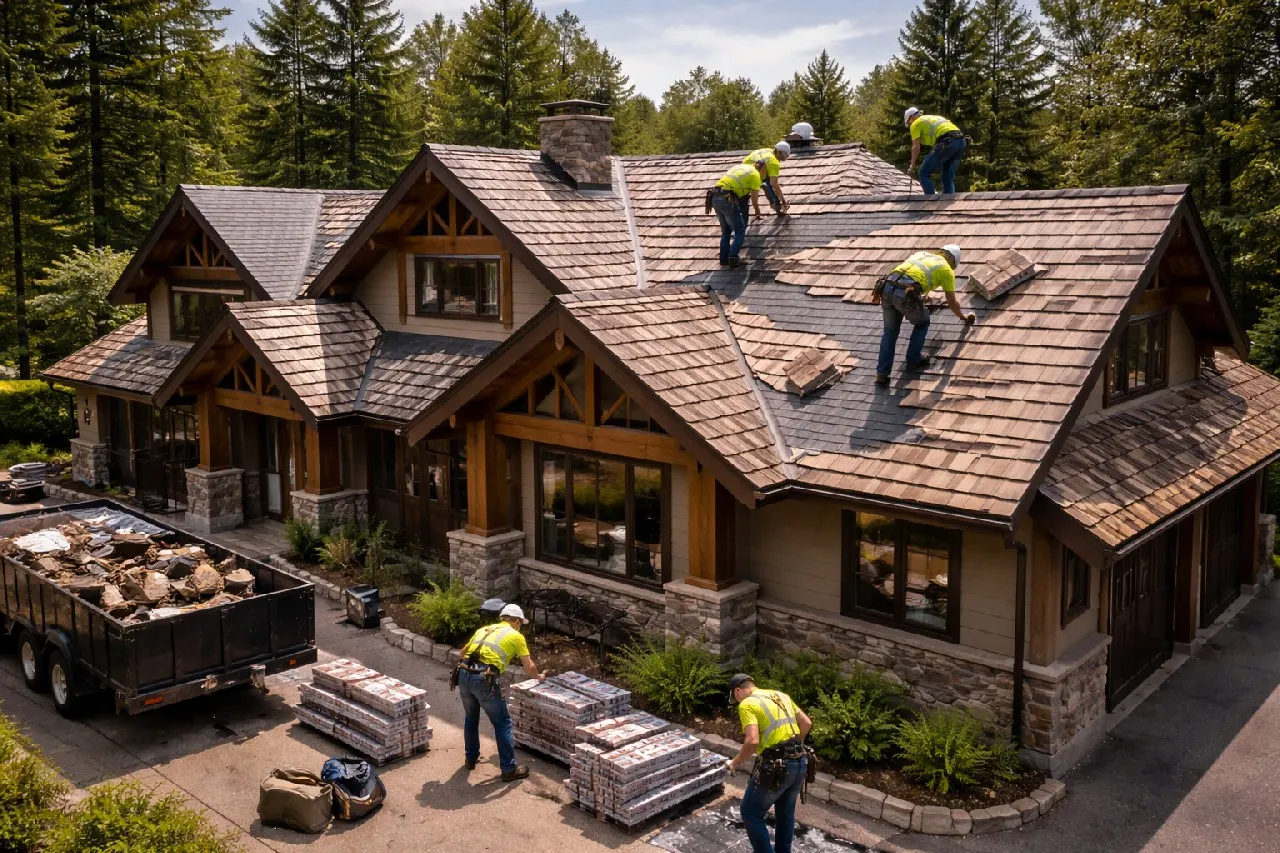
Secret #1: Picking the Ideal Metal Gauge and Coating for Little Rock Storms
Little Rock hail can punch through thin roofs like paper. Homeowners swear by 24-gauge steel or thicker. It shrugs off impacts that shred asphalt.
Why Gauge Matters in Our Storms
Lower gauge numbers mean tougher metal. A 26-gauge might save bucks upfront, but it dents easy under quarter-sized hail. Go 24-gauge minimum for panels that laugh at Arkansas weather.
- 24-gauge: Handles 1.75-inch hail at 50 mph.
- 22-gauge: Overkill for most, but unbeatable for high-wind zones near the river.
Coatings seal the deal against rust and fade. Skip cheap paint jobs. Demand Kynar 500 or PVDF finishes. They block UV rays and humidity that eat lesser roofs alive.
Expect 40+ years of color hold. Local installers test these in our downpours. Your roof stays sharp when neighbors repaint every five years.
Secret #2: Roof Deck Prep – The Hidden Foundation for Flawless Installation
Think your old roof deck can just hold up a shiny new metal top? Think again. In Little Rock's wild weather, a weak deck means waves, leaks, and early failure no matter how premium your panels.
Skip this step, and your metal roof turns into a giant drum echoing hail impacts. Pros swear by it because one solid deck lasts 50 years. Here's the no-BS checklist local installers follow.
Inspect Like Your House Depends On It
- Probe every joist for rot or soft spots from past leaks.
- Check plywood thickness – aim for at least 5/8-inch to handle metal's weight.
- Fix sags or gaps wider than 1/4-inch; they cause oil-canning.
Reinforce with sistered joists if needed. Add blocking between rafters for seam clips. Then layer on ice-and-water shield over the whole deck – it laughs at wind-driven rain.
One Chenal Valley crew prepped a sagging deck like this and dodged $20K in callbacks. Your wallet will thank you.
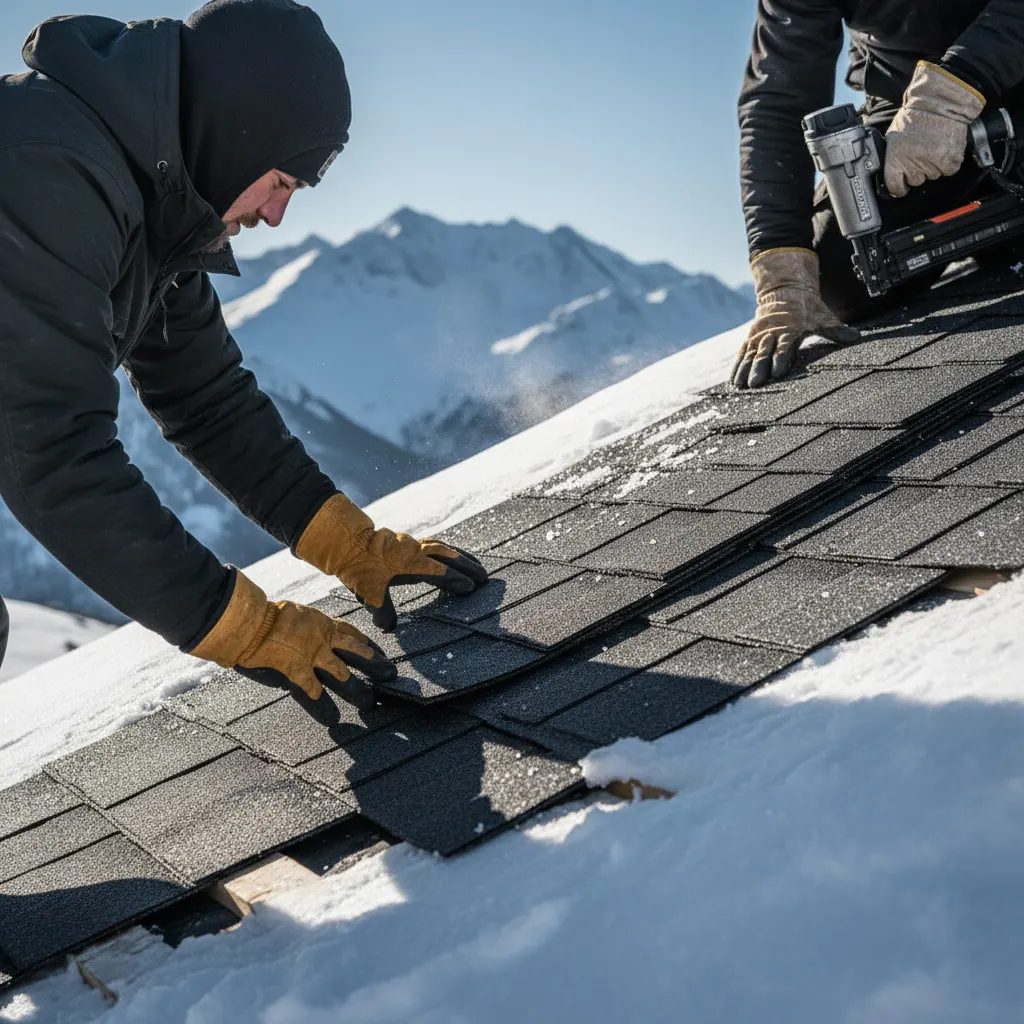
Secret #3: Ventilation Mastery to Combat Heat and Humidity
Little Rock summers hit like a freight train. Metal roofs reflect heat, sure. But trap that hot air underneath without killer ventilation, and you're cooking your attic like a Dutch oven.
Smart homeowners nail this by balancing intake and exhaust vents. Think soffit vents pulling cool air in low, ridge vents shoving hot, humid air out high. No shortcuts, or moisture builds, rot starts, and your energy bills spike.
Pro Moves for Bulletproof Airflow
- Go continuous ridge vent over choppy ones. Covers every inch, pulls heat 24/7.
- Match vent area: 1 square foot per 150-300 attic sq ft. Calculate yours exact.
- Skip powered fans if possible. They burn cash and fail when you need 'em most.
One Chenal Valley client ignored this until ice dams wrecked his shingles. Switched to proper venting under metal? Attic temps dropped 30 degrees. Bills too. Yours can follow suit.
Secret #4: Standing Seam Techniques That Seal Out Arkansas Rains
Standing seam metal roofs rise above the fray here in Little Rock. They lock panels together with raised vertical seams. No exposed fasteners means zero leak points for those gully-washer storms we get.
But here's the kicker. Skip the cheap clips, and your roof turns into a sieve during hail season. Pros swear by these dead-simple moves.
Seal-Tight Installation Hacks
- Crimp seams every 12-18 inches with a hand seamer. Factory rolls? Nah, they loosen fast in our wind gusts.
- Layer underlayment thick – think self-adhering ice-and-water shield under every seam. It bridges tiny gaps rain loves to exploit.
- Angle clips at a 1:12 pitch minimum. Flat spots pool water; this sheds it like a duck's back.
One Chenal Downs homeowner ignored this and watched leaks spiderweb after a single nor'easter. Fixed it right? 20 years leak-free. Your turn to nail it.
These tweaks add pennies upfront. They save thousands when the sky unloads.
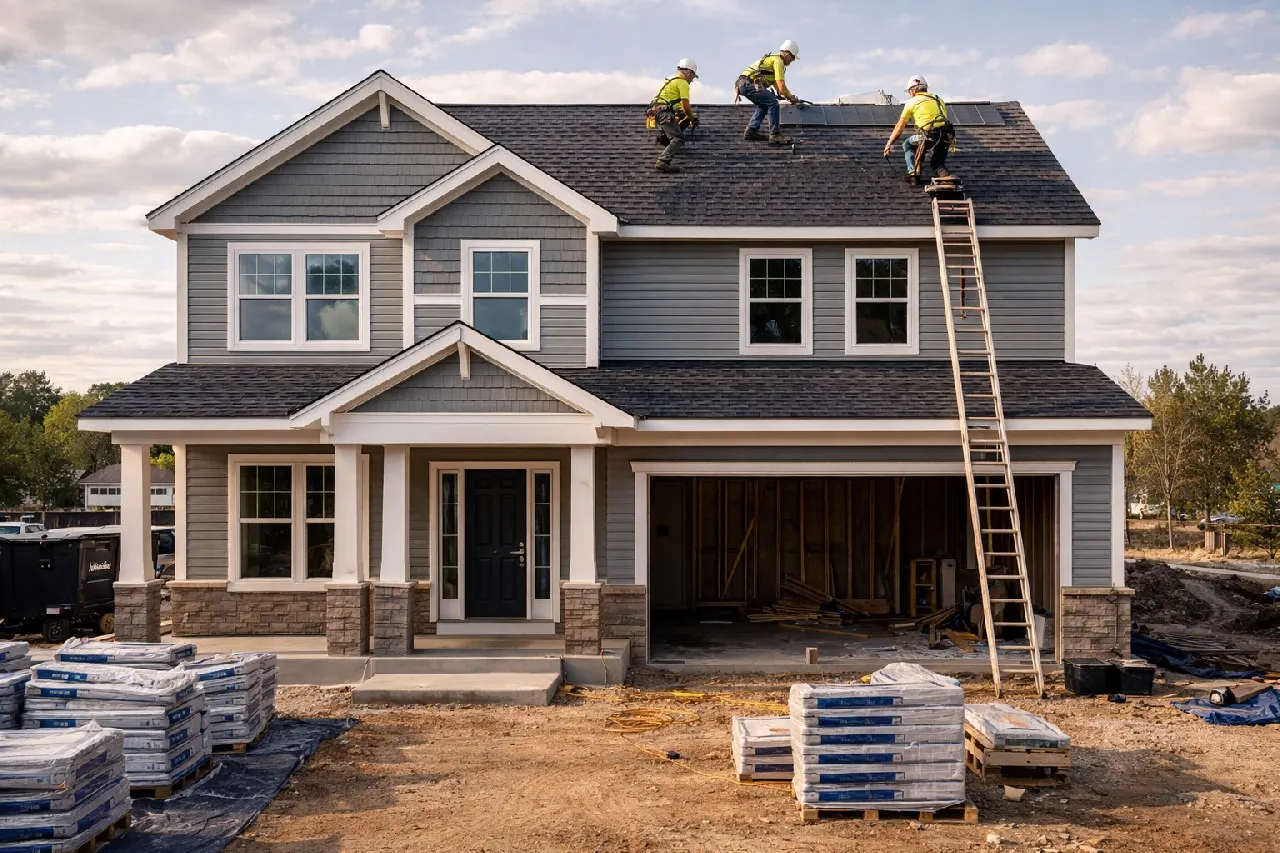
Secret #5: Fasteners, Flashing, and Finishing Touches for 50-Year Durability
Fasteners aren't just screws. They are the unsung heroes that lock your metal roof in place against Little Rock's wild winds.
Go for hidden clip systems over exposed screws. These bad boys eliminate puncture points, slashing leak risks by half.
Pick These Fastener Must-Haves:
- Corrosion-resistant coated steel or aluminum – no rust after hail pummels them.
- Spaced every 12-18 inches on seams for max wind uplift resistance.
- Torque them just right: too loose, and they rattle; too tight, and panels warp.
Flashing seals the deal where roofs meet walls, chimneys, or valleys. Botch this, and Arkansas downpours find a way in.
Use color-matched, pre-formed flashing with butyl sealant tape underneath. It flexes without cracking over decades.
Finishing Touches That Last:
- High-quality ridge vents capped with foam closure strips.
- Edge metal trimmed precisely to shed water fast.
- Final walk-through: check every seam with a hose test before calling it done.
These steps? They turn a good roof into a 50-year fortress. Skip them, and you're back to patching leaks next storm season.
Secret #5: Fasteners, Flashing, and Finishing Touches for 50-Year Durability
Want your metal roof to laugh off Arkansas winds and ice for half a century? It all hinges on the tiny details most installers botch.
Skimp here, and leaks creep in. Nail these right, and you're set for life.
Fasteners That Bite and Hold
- Skip cheap nails. Go for self-tapping metal screws with neoprene washers. They seal tight and flex with the roof.
- Space 'em every 12-18 inches on panels. Overlap seams? Double up for storm-proof grip.
- Pro tip: Color-matched heads hide better and resist rust in our humid air.
Flashing seals the edges where water loves to sneak. Botch this, and your roof's toast in five years flat.
Flashing and Finishes That Lock It Down
Custom-bend galvalume or aluminum flashing for valleys, ridges, and dormers. Caulk with butyl tape, not silicone that cracks.
- End walls get Z-flashing. Chimneys? Step flashing overlapped 4 inches.
- Finish with ridge vents capped in mesh. Paint edges with acrylic for UV punch.
These touches? They turn a good roof into an unbreakable fortress.
Final Thoughts.
These secrets have turned Little Rock roofs into fortresses. Homeowners who apply them laugh at storms while saving thousands on fixes. Skip the guesswork. Grab a pro who lives these tactics daily.
Picture your home in Chenal Valley or anywhere around here, shrugging off hail like it's nothing. That's the payoff. Dive into metal roof installation details and make the switch before the next downpour hits.
- Choose gauge and coatings built for our weather.
- Nail deck prep and ventilation from day one.
- Lock in standing seams and fasteners for decades.
One call changes everything. Your roof's future starts now.
People Also Ask
What is the best metal roof gauge for Little Rock's stormy weather?
In Little Rock, homeowners swear by 24-26 gauge metal panels for optimal storm resistance, balancing durability and weight. Thicker gauges like 24 provide superior protection against hail and high winds common in Arkansas. Pairing it with a robust coating like Kynar 500 ensures longevity against UV and moisture.
How do you prepare a roof deck for flawless metal roof installation?
Proper roof deck prep starts with inspecting and replacing any damaged plywood or OSB to create a solid foundation. Installing synthetic underlayment and spacing deck boards correctly prevents oil-canning and ensures a smooth finish. Little Rock pros emphasize this step to avoid leaks during heavy rains.
Why is ventilation critical for metal roofs in humid Arkansas climates?
Excellent ventilation combats heat buildup and humidity under metal roofs, preventing condensation and mold in Little Rock's muggy summers. Ridge vents, soffit vents, and proper attic airflow extend roof life by reducing thermal stress. Homeowners report cooler attics and lower energy bills with mastered ventilation.
What makes standing seam metal roofs ideal for Arkansas rains?
Standing seam roofs feature concealed fasteners and interlocking panels that create watertight seals, excelling against Little Rock's frequent downpours. Their raised seams allow thermal expansion without compromising integrity. Local experts recommend them for 50+ years of leak-free performance.
How can fasteners and flashing ensure a metal roof's 50-year durability?
Using high-quality, corrosion-resistant fasteners like stainless steel screws with neoprene washers secures panels without piercing seams. Custom flashing around penetrations and edges seals out water effectively in Arkansas weather. Finishing with proper sealants and edge metal completes a battle-tested system for decades of reliability.
Need Roofing Services?
Swift roof repairs and replacements deliver leak-proof protection fast in Little Rock, AR and nearby areas. (72201, 72205, 72209, 72211, 72223)
Get Roof Quote