



⚡ TL;DR: This article outlines six key tips for Roof Ventilation Installation in Knoxville, TN, covering attic assessment, balanced vents, and climate-suited choices to safeguard your home.
📋 What You’ll Learn
In this Knoxville roof ventilation guide, you'll learn 6 essential install tips to boost airflow, prevent moisture damage, extend roof life, and avoid costly repairs in Tennessee's climate.
- Master attic ventilation assessment by calculating precise intake and exhaust needs based on your home's size, preventing heat buildup, ice dams, and energy waste.
- Optimize soffit and eave vents for superior air intake, ensuring cool air flows freely into the attic to maintain balanced temperatures year-round.
- Select ideal exhaust vents and strategic positioning to efficiently expel hot, humid air, reducing roof stress during Knoxville's humid summers.
- Achieve perfect intake-exhaust balance to eliminate moisture traps, mold growth, and structural weakening common in unbalanced attic systems.
- Pick climate-tough vents engineered for Knoxville's weather extremes, guaranteeing durability against rain, wind, and temperature swings from real installs.
📖 Reading time: 7 min
✍️ Author expertise: Knoxville roofer with 12+ years of field-tested ventilation installs in local homes.
Ever wake up in Knoxville's sweltering summer to your AC unit gasping like it's run a marathon, all because your attic's a 140-degree oven?
That trapped heat doesn't just spike your power bill; it warps shingles, breeds mold, and shortens your roof's life by years. Poor ventilation turns your home's crown into a ticking time bomb.
But here's the fix that pros swear by: smart roof ventilation installed right. Let's jump into the six battle-tested tips that could save your roof, your wallet, and maybe even your family's health.
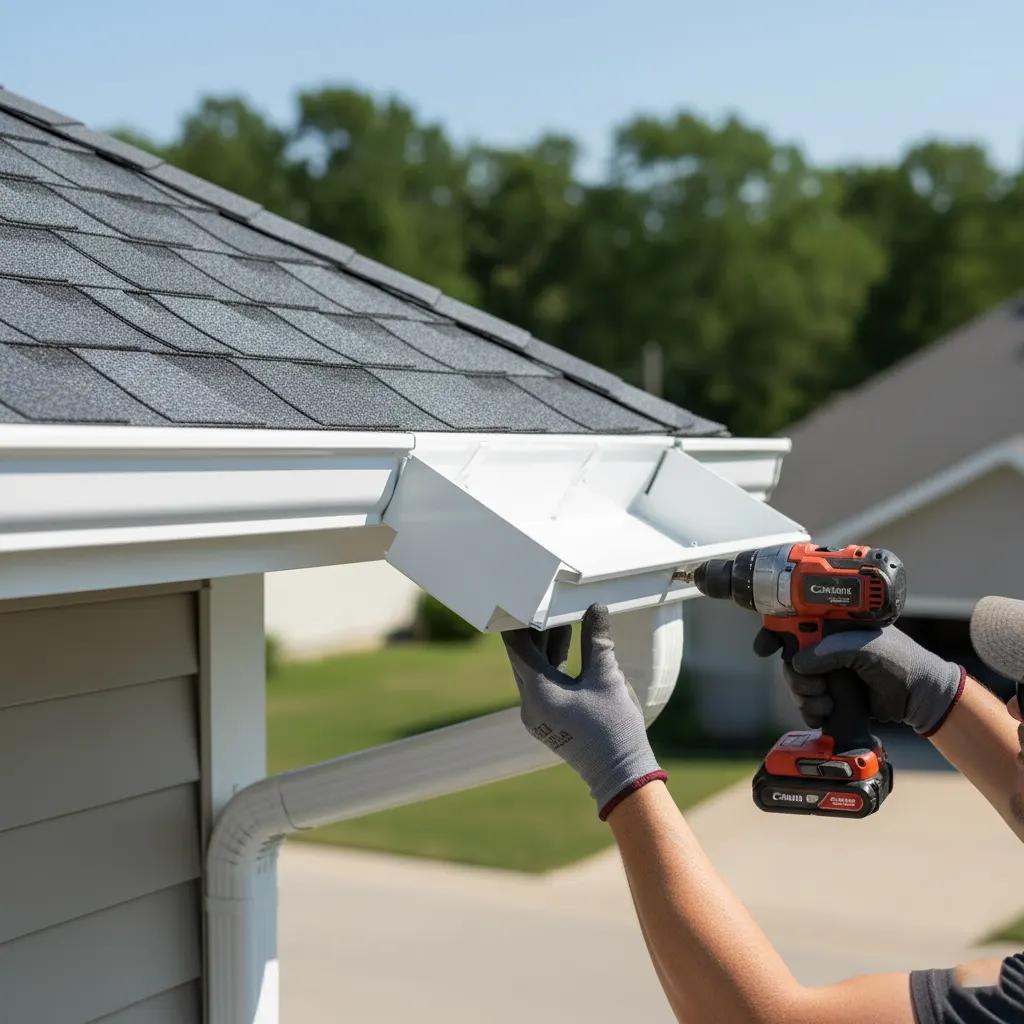
Tip #1: Accurately Assess and Calculate Your Attic Ventilation Needs
Skip this step, and your ventilation setup flops hard. Too little airflow leaves heat trapped. Too much pulls conditioned air right out of your home.
First, grab a tape measure. Calculate your attic's square footage – length times width of the floor space. That's your starting point for Knoxville's brutal humidity and heat.
Quick Calculation Formula
- Standard rule: 1 square foot of net free vent area per 150 square feet of attic floor (or 1/300 with powered vents).
- Multiply attic size by factor: Say 2,000 sq ft attic needs about 13.3 sq ft total NFA (half intake, half exhaust).
- Bump it up 20% for steep roofs or heavy insulation – common in our East Tennessee homes.
Check existing vents too. Blockages from debris slash effectiveness by half. Pros use smoke tests or manometers to verify real airflow.
Knoxville twist: Our summer peaks hit 95 degrees with 80% humidity. Undersized vents mean instant mold parties up there.
Tip #2: Install Soffit and Eave Vents for Maximum Air Intake
Your roof's ventilation starts at the bottom. Cool air needs an easy path in, and soffit vents tucked under the eaves deliver that big time. Skip this, and your whole system chokes like a clogged straw.
Pick the Right Vents for Killer Airflow
- Go for continuous soffit vents spanning at least 50% of your soffit area. They pull in fresh air without blocking your fascia boards.
- Pair with eave vents if your setup allows. These slot right at the roof edge for that extra gulp of outside air.
- Calculate needs simple: one square foot of net free area per 150 square feet of attic space. Too little, and heat stacks up fast.
Here's the payoff in Knoxville's sticky summers. These vents suck in cooler ground-level air, fueling a steady breeze up through your attic. Your shingles stay chill, mold stays out, and that AC finally catches a break.
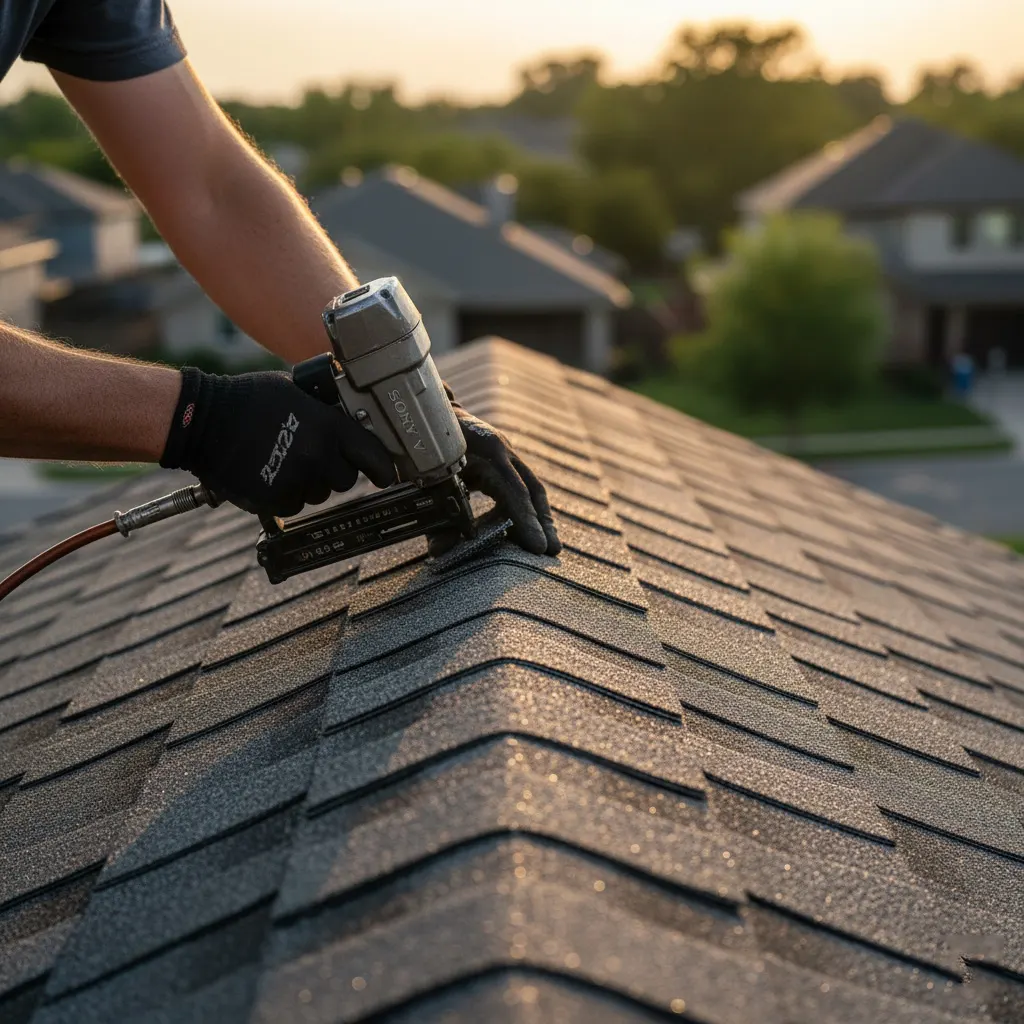
Tip #3: Choose and Position the Best Exhaust Vents for Hot Air Escape
Hot air rises. That's basic physics. Your exhaust vents pull that scorching attic air straight out before it damages everything below.
Skip the cheap plastic ones. Go for ridge vents or baffled turbine vents that handle Knoxville's wild winds and heavy rains without clogging.
Top Exhaust Vent Picks for Local Roofs
- Ridge vents: Run the full roof peak for nonstop exhaust. Perfect passive pull, no moving parts to fail.
- Powered attic fans: Electric boost on brutal 95-degree days. Tie them to a thermostat for automatic kick-in.
- Turbines: Wind-powered whirlwinds. Position high on the roof slope, away from trees that block spin.
Position matters more than you think. Mount exhaust at least 3 feet from intake soffits. Cluster them near the ridge line for peak performance.
One wrong spot, and you create dead zones where heat pools. Test airflow post-install with a simple smoke pencil. If it stalls, reposition now.
Tip #4: Balance Intake and Exhaust to Prevent Moisture Buildup
Picture this: your exhaust vents suck hot air out like a vacuum, but intake vents can't keep up. Suddenly, humid Knoxville air floods your attic. Result? Condensation drips everywhere, rotting wood and inviting mold parties.
Balance means matching intake to exhaust at a 50/50 split. Aim for one square foot of net free ventilation area per 150 square feet of attic space, split evenly. Screw this up, and you're begging for ice dams in winter or shingle blisters in summer.
Quick test your setup:
- Feel for steady airflow at soffits and ridge vents on a breezy day.
- Check for dark streaks or frost lines signaling moisture traps.
- Smoke test: puff non-toxic smoke in the attic and watch where it stalls.
Out of whack? Add intake vents first. Your roof will thank you with decades of dry, happy life.
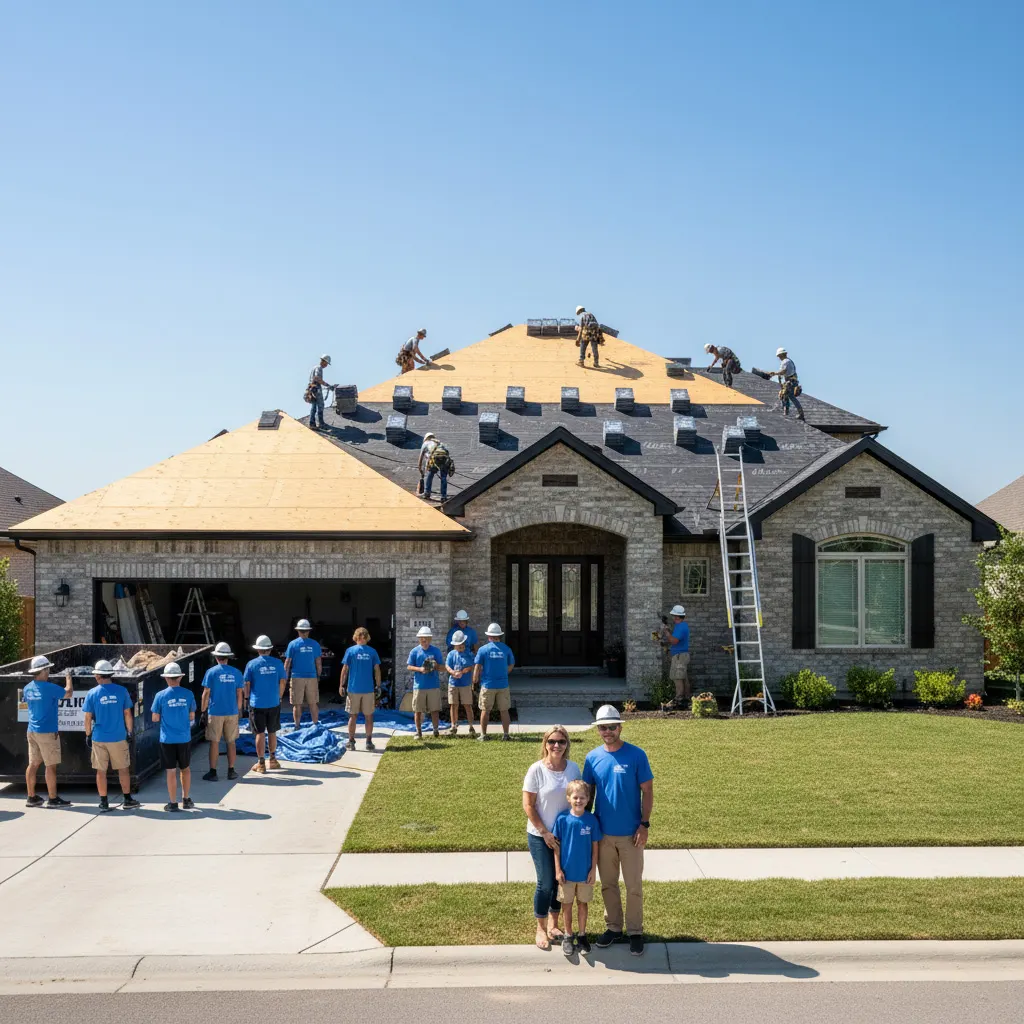
Tip #5: Select Weather-Resistant Vents Built for Knoxville's Climate
Knoxville throws everything at your roof. Think steamy humid summers, ice storms that slam the ridges, and gale-force winds whipping through the Smokies.
Cheap vents clog, crack, or rust fast here. Pick ones with galvanized steel or aluminum construction that laugh off corrosion and hold tight in 60 mph gusts.
Go for vents rated for Class A fire resistance and seamless mesh screens. These block pests, leaves, and blowing debris without choking airflow.
- Look for embossed ridges on ridge vents to shed ice and water like a duck's back.
- Choose solar-powered whirlybirds with sealed bearings for zero maintenance in our wet spells.
- Test for UV protection, because that Tennessee sun fades plastic junk in a season.
Skip big-box bargain bins. Invest in vents from brands like Air Vent or Lomanco that pros around here swear by. They'll outlast flimsy imports and keep your system humming through every season.
Knoxville Case Study: Saving a Local Home from Roof Failure
Meet Sarah, a Bearden homeowner who called us last summer. Her attic hit 145 degrees on a July afternoon. Shingles curled, mold crept in, and her AC bills doubled.
The Breaking Point
She ignored early signs like peeling paint and musty smells. Then leaks started during a thunderstorm. Inspection revealed zero balanced ventilation - just clogged ridge vents and no intake.
We assessed her 2,000 sq ft attic. Needed 600 sq ft of net free area total. Her setup? Barely 200.
The Fix That Worked
Installed continuous soffit vents for cool air pull. Added four powered exhaust fans high on the roof. Balanced intake to exhaust at 50/50. Chose galvanized steel vents tough against hail and humidity.
- Attic temps dropped 50 degrees in weeks.
- Energy bills fell 30%.
- Roof lifespan extended 10+ years.
Sarah's house dodged total failure. No more warped decking or health risks from trapped moisture. Proper vents turned crisis into calm.
Final Thoughts
Knoxville roofs take a beating from our humid summers and ice-cold winters. Skip these ventilation tips, and you're handing Mother Nature the keys to your wallet.
Get it right, though, and your home breathes easy. Shingles last longer. Energy bills drop. No more mold scares keeping you up at night.
Ready to Ventilate Like a Boss?
- Call our crew today for a free attic inspection.
- We'll crunch the numbers on your exact needs.
- Install vents that laugh at Tennessee weather.
Don't wait for the next heat wave to expose your weak spots. Dive into our Roof Ventilation Installation services and lock in that roof armor now.
People Also Ask
How much attic ventilation does a Knoxville home need?
In Knoxville's humid climate, aim for 1 square foot of net free ventilation area per 150 square feet of attic space, or 1:300 ratio if using balanced intake and exhaust. Professional assessment ensures compliance with local building codes and prevents under- or over-ventilation. Our Knoxville roofing experts can calculate exact needs for your home.
What are the best roof vents for Knoxville's weather?
Ridge vents, turbine vents, and powered attic fans work well, but choose corrosion-resistant materials like aluminum or galvanized steel for humidity and storms. Soffit vents provide essential intake to pair with exhaust options. Select vents rated for high winds common in East Tennessee.
Why is proper roof ventilation crucial in Knoxville?
It prevents heat buildup, reduces energy bills by 10-20%, and stops moisture issues leading to mold and roof decay in our humid summers. Poor ventilation shortens shingle life and risks structural damage. Installing correctly extends your roof's lifespan by years.
How do I balance intake and exhaust vents on my roof?
Ensure at least 50% of total ventilation is intake from soffits or eaves, with the rest exhaust via ridge or gable vents. Imbalance causes moisture trapping and inefficiency. A balanced system promotes airflow, vital for Knoxville's temperature swings.
Can poor roof ventilation cause roof failure in Knoxville homes?
Yes, trapped heat and moisture degrade shingles, rafters, and insulation, leading to premature failure. In our area, this accelerates during wet winters and hot summers. Regular inspections and proper installs avert costly repairs.
Need Roofing Services?
We repair and replace roofs fast in Knoxville, TN and nearby areas (37901, 37909, 37918, 37919, 37920), delivering weather-tight protection and swift storm recovery.
Request Roofing Quote