


⚡ TL;DR: Mastering proper ventilation, wind-resistant fastening, and moisture-proof materials ensures your asphalt shingle roof installation in Jackson remains durable and protected against the region's intense humidity and weather conditions.
📋 What You’ll Learn
Installing an asphalt roof in the humid Mississippi climate requires specific techniques to ensure longevity. This guide reveals the professional secrets needed to protect your Jackson home from extreme weather damage.
- Master attic ventilation strategies to effectively combat the intense Jackson heat, preventing premature shingle degradation and lowering your monthly cooling costs through proper airflow management and temperature regulation.
- Implement high-wind fastening techniques to secure your shingles against unpredictable storms, ensuring your roof remains intact during heavy wind events rather than suffering from common blow-off damage.
- Select superior moisture-resistant underlayment to act as a critical second line of defense against our regional humidity, keeping your roof deck dry and preventing rot throughout the year.
- Ensure watertight flashing integrity by focusing on valleys and roof transitions, which are the most common entry points for water leaks during our frequent and heavy seasonal rainstorms.
📖 Reading time: 7 min
✍️ Author expertise: Master roofer with two decades of experience installing durable roofing systems in Jackson.
Most Jackson homeowners treat their roof like a generic commodity until the first heavy Mississippi thunderstorm turns their living room ceiling into a waterfall. You spend thousands on a new installation, yet half the crews in this city are cutting corners that will cost you your entire investment in just three years.
The secret isn't just buying the most expensive shingles at the hardware store. It is about knowing the specific installation techniques that stop our intense humidity and brutal summer heat from curling your roof into a wreck.
I have spent years fixing botched jobs that looked perfect on day one but failed the moment the temperature spiked. Here are the five hidden rules of asphalt shingle installation that keep your home dry and your wallet intact.
Read on to discover exactly what your roofing contractor is likely leaving out of the estimate.
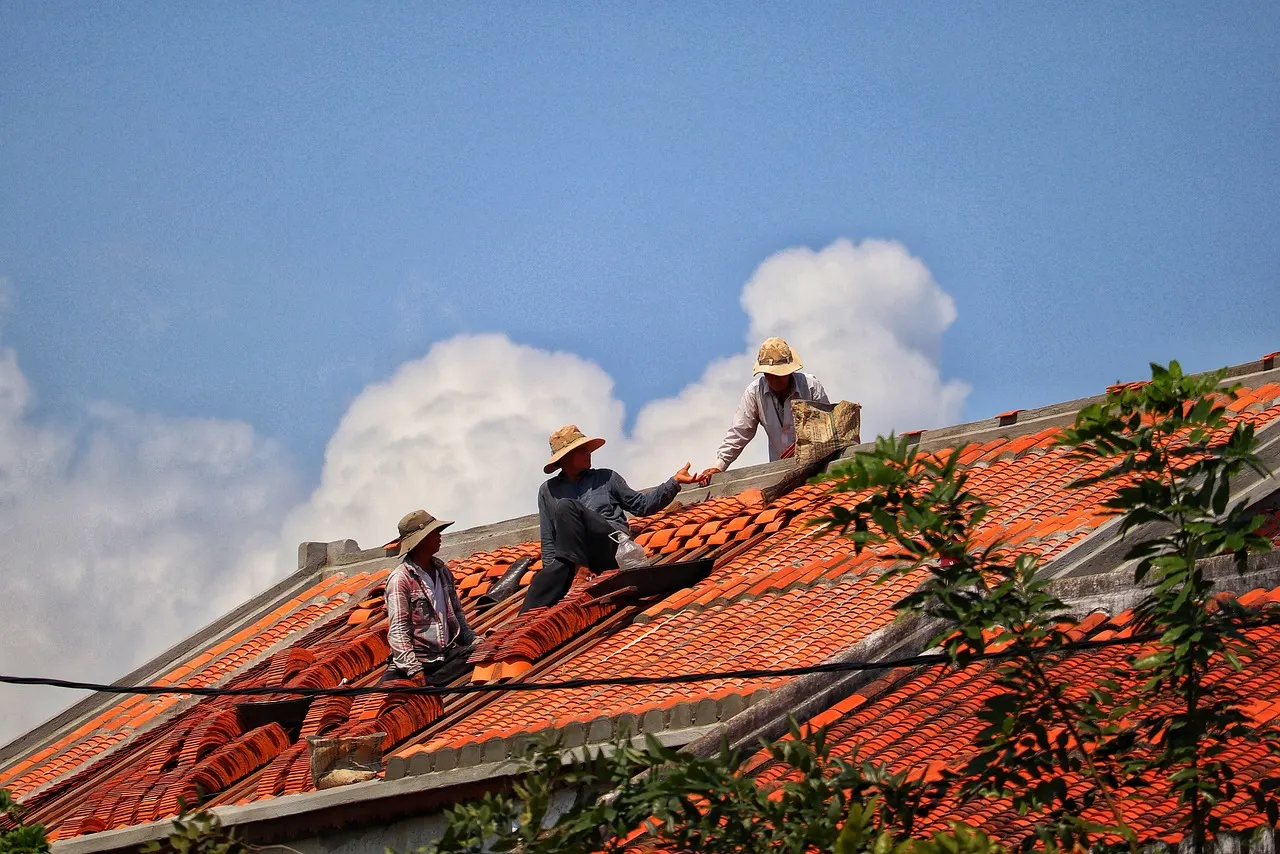
1. Mastering Ventilation: Why Your Attic Needs to Breathe in Mississippi Heat
Most Jackson residents think a roof is just a lid on a box, but in our sweltering climate, it acts more like a heat trap. If your attic cannot dump the superheated air building up under your shingles, that heat has nowhere to go but down through your insulation or back up into your roof deck.
When the temperature in your attic hits 150 degrees during a July afternoon, the asphalt in your shingles begins to soften prematurely. This causes the granules to lose their grip, leading to rapid aging and unsightly curling. Proper ventilation is not optional here; it is the life support system for your roof.
A high-performance installation requires a balanced intake and exhaust system to keep air moving constantly. Without it, your attic becomes a pressurized oven that destroys your shingles from the inside out.
The Keys to a Breathable Roof
- Soffit Vents: These provide the necessary intake at the eaves to pull cool air into the attic space.
- Ridge Vents: Installed at the peak of the roof, these allow the hottest air to escape naturally.
- Balanced Ratios: You need an equal amount of intake and exhaust; otherwise, the system creates dead zones where heat stagnates.
Stop relying on static attic fans that often fail or consume expensive electricity. A correctly calculated passive ventilation system works around the clock without costing you a dime in energy bills.
The Precision of High-Wind Fastening: Avoiding the "Blow-Off" Factor
Mississippi storms don't just dump rain; they bring wind speeds that turn poorly secured shingles into expensive confetti. Most contractors operate on a "speed is money" model, using air-nailers set to depths that either shatter the shingle or leave the nail head floating above the surface.
If that nail isn't driven flush—or if it misses the narrow nailing strip entirely—your warranty is effectively null and void. When the wind picks up, those loose shingles don't stand a chance.
The "Six-Nail" Standard for Jackson Homes
To keep your roof attached during severe gusts, we ignore the manufacturer's bare-minimum instructions. Instead, we use a specific fastening protocol designed for high-wind zones:
- We place six nails per shingle instead of the standard four, creating a significantly higher pull-through resistance.
- Every nail is positioned precisely within the designated nailing zone to ensure the shingle above covers the fastener, creating a double-seal.
- We calibrate our pneumatic tools daily to match the air pressure to the specific temperature of the day, ensuring the nail head sits flush without piercing the asphalt mat.
Think of it like building a house of cards in a hurricane. If you don't anchor every corner with absolute precision, you aren't just losing a few pieces of material; you are inviting moisture to rot your deck from the inside out. Don't let a contractor rush this part—the extra ten minutes spent checking nail placement is the difference between a roof that lasts twenty years and one that disappears in a summer squall.

3. Beyond the Shingle: Choosing the Right Underlayment for Humidity Resistance
Most homeowners obsess over the color and style of their asphalt shingles, completely ignoring the hidden line of defense sitting right underneath them. In Mississippi, your roof isn't just fighting off rain; it is constantly battling extreme moisture vapor rising from your home and trapped humidity in the air.
If your contractor is slapping down cheap, black felt paper, they are setting you up for failure. That old-school material absorbs water, wrinkles, and can actually trap rot against your roof deck. When our humidity spikes, you need a high-performance synthetic underlayment that acts like a breathable raincoat for your house.
Why Synthetic is Non-Negotiable
- It offers superior tear resistance during the installation process, ensuring no holes are punched through before the shingles are even laid.
- Synthetic materials are designed to be moisture-resistant, meaning they won't buckle or deform when the Mississippi heat creates massive temperature swings.
- Many high-end synthetics provide a slip-resistant surface, which helps your installation crew maintain precision while they work on steep pitches.
Think of your underlayment as the insurance policy for your plywood decking. If you choose a vapor-permeable synthetic, you allow the roof deck to shed moisture rather than soaking it up like a sponge. Never let a contractor cut costs here; the price difference is pennies compared to the thousands of dollars you will pay to repair water-damaged roof sheathing later.
4. Valley and Flashing Integrity: Preventing Leaks at the Most Vulnerable Points
Most leaks in Jackson homes don't start in the middle of a flat roof slope. They begin at the valleys—the V-shaped channels where two roof planes meet—and around your chimney or vents.
Water loves to congregate in these spots. If your roofer treats these areas as an afterthought, you are inviting a slow-motion disaster into your attic.
An expert installation requires more than just overlapping shingles and hoping for the best. You need a watertight seal that handles the sheer volume of water dumped during a typical Mississippi downpour.
Here is what separates a pro-grade installation from a disaster waiting to happen:
- Ice and Water Shield: Always install a high-quality, self-adhering membrane under the metal flashing in every valley. This acts as a secondary waterproof layer if water manages to get behind the shingles.
- Woven or Open Valleys: Your contractor should use a specific technique that directs water flow away from the seams. An open valley using corrosion-resistant metal flashing is often the superior choice for heavy rain areas.
- Step Flashing: Never allow a roofer to use a single long piece of metal against your chimney. Each course of shingles needs its own piece of stepped metal to ensure water sheds out and over the roof surface.
Ignoring these details is the fastest way to rot your roof decking from the inside out. When the flashing is improperly sealed, water wicks into the wood, leading to soft spots that you won't see until the ceiling begins to sag.
Ask your contractor specifically how they handle the transitions where the roof meets the wall. If they say they just use caulk to fill the gap, stop them immediately. Sealant dries out and cracks under our extreme sun, leaving your home completely exposed.
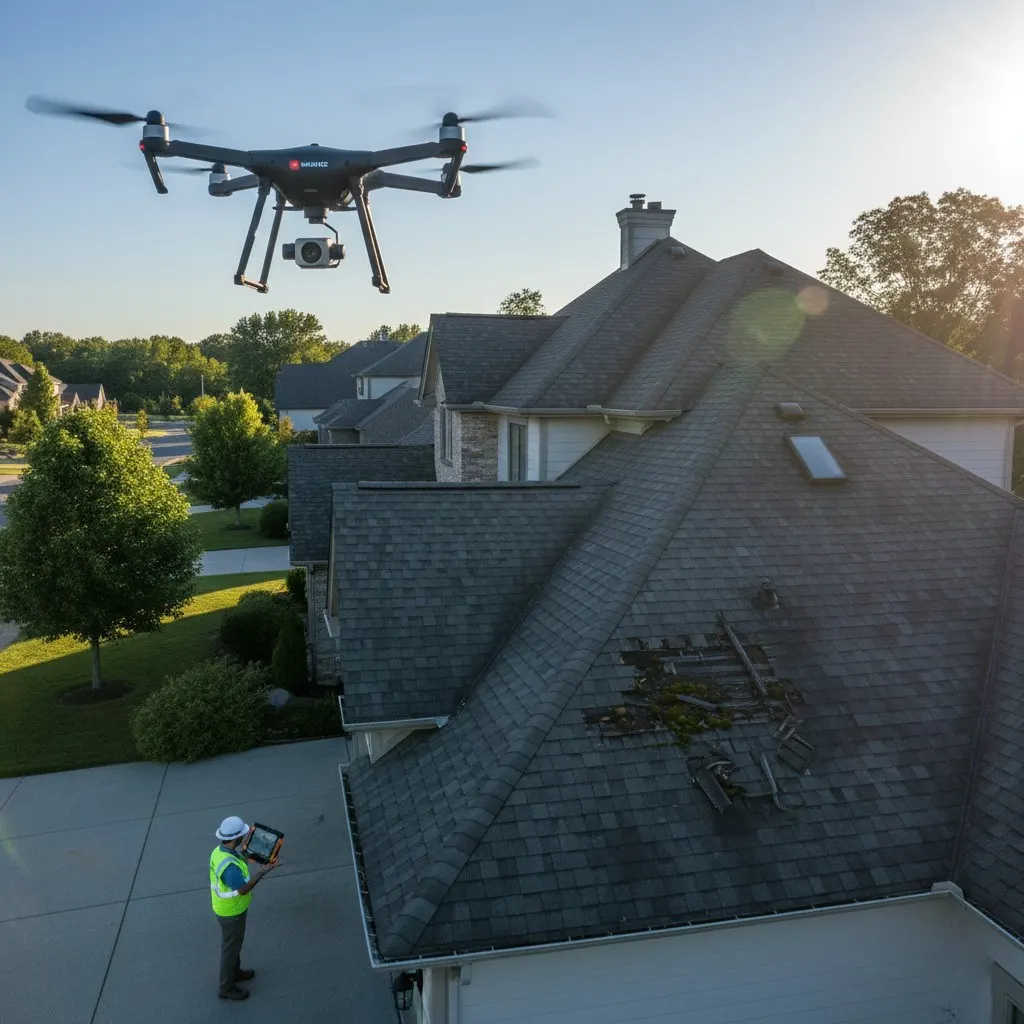
From Disaster to Durability: A Jackson Case Study in Roof Restoration
I recently visited a property in the Fondren neighborhood that perfectly illustrates why cheap labor is the most expensive mistake you can make. The homeowner hired a fly-by-night crew because their bid was three thousand dollars cheaper than the competition.
Within two summers, the shingles were cupping like potato chips. The attic was trapped in a heat cycle that essentially baked the roof from the inside out.
When we peeled back the surface, the damage was brutal:
- The original crew had skipped the starter strips at the eaves.
- They used generic felt paper that trapped moisture against the decking instead of letting it breathe.
- High-heat nails were missing entirely, leading to shingles that felt loose after a minor wind event.
We tore the whole mess down to the rafters. We re-decked the roof using moisture-resistant barriers and installed a high-profile ridge vent system designed specifically for the Mississippi climate.
The result? The homeowner saw their attic temperature drop by 20 degrees almost overnight. Their next utility bill reflected that change immediately, proving that proper installation pays for itself in energy savings and structural longevity.
6. Identifying the Red Flags: How to Spot a Cut-Rate Installation Before It Begins
Most homeowners are so focused on the price tag that they ignore the massive warning signs staring them in the face. If a contractor shows up to your Jackson home without a clear plan for your specific roof geometry, run the other way. You want a craftsman, not a guy with a truck and a staple gun.
Before you sign a single contract, watch for these common signs of a shortcut-prone operation:
- The estimate is vague and lacks detail on ventilation and underlayment types.
- The crew plans to install new shingles directly over your old, curled-up roof.
- They refuse to provide proof of local insurance or specific Mississippi contractor licensing.
- The project timeline sounds impossibly fast, implying they intend to skip essential steps.
Pay close attention to how they handle the estimate process. If they seem rushed or annoyed by your questions about flashing materials or nail placement, they are hiding something. A professional who takes pride in his work will be happy to explain exactly how he plans to protect your investment from our harsh climate.
If the offer sounds too good to be true, it is. Cheap labor is the most expensive thing you can buy for your home in the long run. Demand transparency or find a contractor who values his reputation more than a quick payday.
Final Words
Getting a roof that actually lasts in Jackson requires more than just picking a pretty shingle color. You have to demand mechanical excellence from the crew standing on your home.
If your contractor gets defensive when you ask about their nailing patterns or valley sealing, show them the door immediately. Your roof is your first line of defense against the Mississippi elements, and settling for a bargain-bin installation is a losing bet.
Ready to get it done right? You can explore our professional Asphalt Shingle Roof Installation services to see exactly how we set our standards above the local competition.
A Quick Checklist for Your Next Estimate
Before you sign a single contract, keep this list of non-negotiable requirements handy. If you don't see these addressed in the estimate, you aren't paying for a roof—you are paying for a future headache.
- Ensure the quote explicitly mentions synthetic underlayment rather than standard felt paper.
- Demand that every shingle is hand-nailed in high-wind areas to prevent future blow-off disasters.
- Confirm that the contractor uses corrosion-resistant flashing to seal those vulnerable valleys.
- Ask for proof of ventilation calculations to guarantee your attic isn't cooking your shingles from the inside out.
Do not let a smooth-talking salesperson talk you into skipping these steps. Your home is your biggest asset, and it deserves a bulletproof installation that stands up to the next big storm.
People Also Ask
Is architectural shingle installation different in Jackson, MS compared to other climates?
Yes, Jackson’s intense heat and humidity levels require specialized ventilation and moisture-wicking underlayments to prevent premature shingle curling. Installers must also account for high-wind ratings to ensure the roof can withstand frequent seasonal storm activity.How long should an asphalt shingle roof last in Mississippi?
While many manufacturers rate shingles for 20 to 30 years, the extreme Mississippi sun often accelerates granule loss and material fatigue. With expert installation and proper attic ventilation, you can expect to reach the upper end of that lifespan.What is the most important feature of a roof in Jackson, MS?
Proper attic ventilation is the most critical factor because it prevents trapped heat from baking your shingles from the underside. Without a balanced intake and exhaust system, the excessive heat in a Jackson attic will significantly shorten the life of your roofing materials.Why do shingles blow off roofs during Mississippi thunderstorms?
Blow-offs usually occur due to improper nailing patterns or failure to use the correct amount of adhesive strips during installation. When contractors rush the job and ignore high-wind fastening protocols, even minor gusts can lift shingles and compromise the entire roof deck.How can I tell if my roofer is using the right materials for humidity?
Look for high-quality synthetic underlayment that acts as a moisture barrier while allowing the deck to breathe. Avoid standard felt paper, which can trap humidity against your roof deck and lead to rot or mold issues in our damp Southern climate.Need Roofing Services?
We deliver fast roofing repairs and replacements across Jackson MS and nearby areas (39201, 39211, 39216, 39232, 39157) to restore secure durable coverage for homes.
Get Roofing Quote