
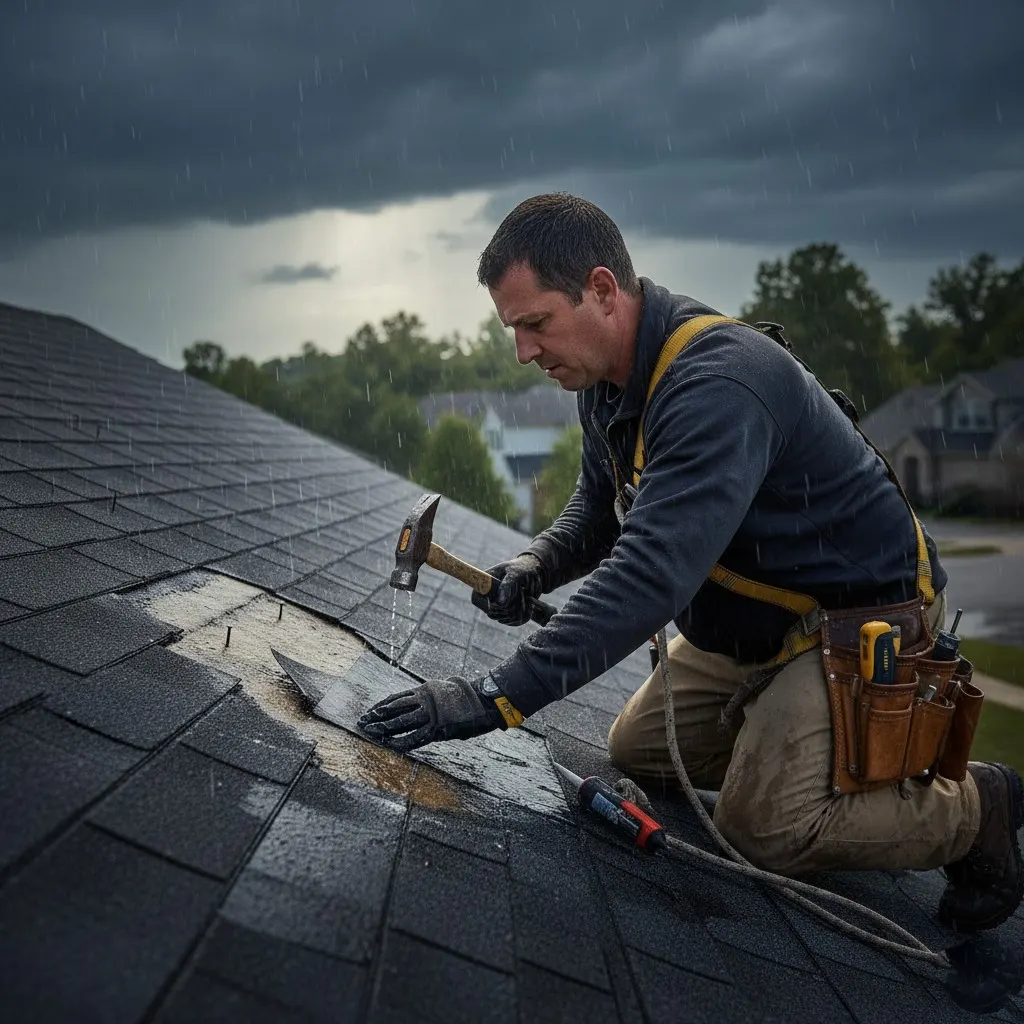


⚡ TL;DR: This guide highlights overlooked steps in roof deck replacement for Hayward homes and shows how doing it right the first time prevents future issues.
📋 What You’ll Learn
Explore essential insights into roof deck replacement in Hayward that most companies overlook to achieve superior long-term results and durability for your home.
- Spot the early indicators that your roof deck needs complete replacement instead of quick fixes common in Hayward properties exposed to coastal elements.
- Learn inspection details often skipped by standard companies during roof deck evaluations to prevent future issues in your Hayward home.
- Follow proper rot removal steps that ensure thorough preparation before installing a new deck suited for California coastal conditions.
- Apply sealing techniques effectively designed specifically for Hayward's weather patterns to achieve long-lasting protection and avoid repeated repairs.
📖 Reading time: 7 min
✍️ Author expertise: Hayward roofing expert sharing practical insights from years of local deck replacement projects.
Your roof deck in Hayward might seem fine until the first big storm hits and water starts pouring in through spots most crews never bothered to check.
Plenty of companies slap on new plywood and call it a day, skipping the rot inspection under your existing boards or the extra sealing needed for our foggy coastal air.
That shortcut leaves you with leaks, higher repair bills, and a shorter lifespan on the whole roof system.
Stick around and I'll show you the exact steps the smart outfits take so your deck replacement actually holds up for decades.

Signs Your Roof Deck Needs Full Replacement in Hayward
Water stains on your ceilings often show up first after a heavy rain. These marks point to deck boards that have soaked through and started to break down from below.
Walk around up top and press down on the surface in a few spots. Soft spots mean the wood has rotted out and no longer supports weight the way it should.
- Sagging sections between joists
- Mold growth along the edges where fog sits longest
- Old plywood that feels spongy after just a few years
Hayward's mix of salt air and constant moisture speeds up this damage. Once rot spreads under the boards most quick fixes only hide the problem until the next storm rolls in. Check for these clues before you call in a crew that might skip the full inspection.
What Standard Companies Miss During Deck Inspections
Most crews in Hayward give your deck a fast once-over and move on. They tap a few spots with a hammer and call the job done without pulling up boards to see what's really going on underneath.
That leaves hidden rot in the joists and sheathing untouched. They also skip moisture meter readings across the full surface and forget to check how coastal fog has already eaten away at the seals and flashing.
- They rarely test ventilation paths that trap damp air right under the deck.
- Weak spots around edges and penetrations get ignored until water finds them later.
These shortcuts come from skipping full board removal and joist probes during every inspection. You end up paying for fixes that should have been handled on day one.
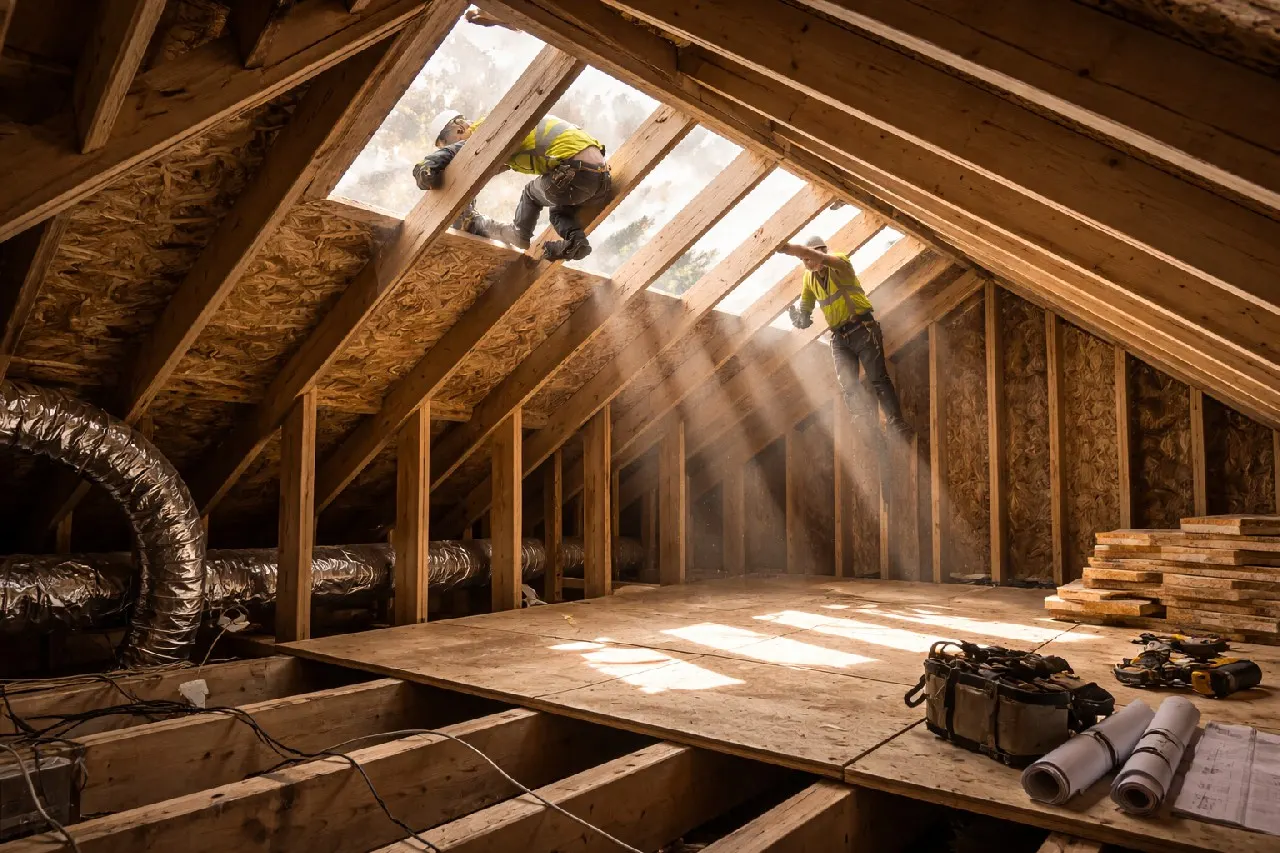
Step-by-Step: Proper Preparation and Rot Removal
Clear the deck completely before touching any wood. Pull off shingles, felt, and nails so nothing blocks your view of the boards underneath. This step reveals the real damage that shortcuts always miss.
Check for rot by pressing a screwdriver into every section. Soft spots mean the wood has to go, and you cut at least six inches past the bad area with a saw. Replace those sections with fresh, pressure-treated plywood matched to your original thickness.
Here is how the removal process breaks down in practice:
- Mark all weak spots with chalk so nothing gets overlooked.
- Remove fasteners and lift out the rotted pieces without cracking good boards nearby.
- Sand rough edges and treat the new joints with a wood preservative right away.
Sealing Strategies Tailored to Coastal California Weather
The fog and salt air around Hayward chew through cheap sealants in no time. Standard products bubble and peel after one wet season.
Crews who know the coast start with a primer built for high humidity. Then they roll on two coats of elastomeric coating made for marine exposure.
Pay special attention to these spots every time:
- Flashing around vents and skylights
- Edges where deck meets walls
- Screw heads and nail lines

Case Study: Roof Deck Replacement for a Hayward Residence
A family on the south side of Hayward noticed ceiling stains after a heavy fog season. Their last deck job from five years ago had already started to buckle in spots.
- Full tear-down to the joists revealed hidden rot in four sections
- Joists got treated with borate solution before new plywood went down
- Marine-grade underlayment and extra flashing installed at every seam
We finished the job in two days and matched it to their existing shingles. The homeowners reported zero leaks through the next two winters.
The deck still looks solid today with no callbacks needed. That proper prep work paid off in lower insurance rates and peace of mind.
Long-Term Benefits of Doing It Right the First Time
Getting the deck replacement done properly means your roof stays solid through Hayward's wet winters and dry summers without constant fixes. You dodge those surprise leaks that hit five years down the road and eat up your cash on emergency calls.
Proper prep and sealing cut down on energy loss too. Your home holds heat better in cooler months and stays cooler when the sun beats down. That shows up as lower utility bills every month.
- Stronger structure that handles foot traffic and weather hits without sagging.
- Higher resale value since buyers see a roof system built to last instead of patched together.
- Peace of mind knowing the work under the shingles actually protects what matters most.
Final Words on Investing in Quality Roof Deck Replacement
Hayward homeowners who skip corners on deck work end up paying twice when fog and rain expose weak spots. A solid job starts with full rot checks and ends with seals built for our coast. That approach keeps water out for years instead of months.
Think about the real cost of shortcuts. Cheap plywood and half-done inspections lead to leaks that hit your wallet hard during storm season. Proper prep and materials add years to the roof system without constant callbacks.
Check what goes into a complete Roof Deck Replacement before you hire. Crews that follow every step protect your home from the ground up.
We deliver fast roofing repairs and installations that protect homes and buildings in Hayward and nearby areas (94541, 94544, 94545, 94577, 94587) with durable materials built to withstand local weather. Our team completes projects on schedule to restore full roof function with minimal downtime.People Also Ask
How do I know if my roof deck needs full replacement in Hayward?
Visible sagging, widespread water stains, and soft spots underfoot often signal that repairs will no longer suffice. In Hayward’s coastal climate, hidden rot can spread quickly beneath the surface, making a complete replacement the safer long-term choice. A thorough inspection that includes removing sections of the deck reveals the true extent of damage most homeowners never see.
What do most roofing companies miss during roof deck inspections?
Many crews only check the top layer and skip probing for moisture trapped in the plywood or framing. They also overlook deteriorated fasteners and inadequate ventilation that allow mold to thrive. These shortcuts lead to callbacks and higher costs when problems reappear within a few seasons.
Why is proper sealing critical for roof decks in coastal California?
Salt air and frequent fog accelerate corrosion and wood rot, so standard sealants fail faster here than inland. High-quality, flexible membranes that accommodate thermal movement and UV exposure keep water out for decades. Skipping this step is one of the most common reasons decks need early replacement.
How long does a professional roof deck replacement take in Hayward?
Most residential projects are completed in three to five days once the old decking is removed and rot is fully addressed. Weather delays and permit inspections can add a day or two, but proper preparation keeps the timeline predictable. Rushing the job usually means cutting corners on rot removal and sealing.
Need Roofing Services?