


⚡ TL;DR: Prepare your Grand Rapids roof for storms with this inspection checklist, covering safety precautions, shingles, drainage, flashing, vents, and interior leak signs.
📋 What You’ll Learn
In this Grand Rapids roof inspection guide, you’ll discover key steps to safeguard your home before storms, identify hidden damage, ensure proper drainage, and avoid leaks from Michigan’s harsh weather.
- Master safety precautions upfront to inspect confidently without risks, covering ladder setup, weather checks, gear needs, and when to call pros for steep or damaged roofs.
- Assess shingles for wear signs like curling edges, missing granules, cracks, or loose areas that signal storm vulnerability and need timely repairs or full replacement.
- Inspect gutters and drainage fully for clogs, leaks, sagging sections, and downspout issues that could cause water backups and roof damage during heavy rains.
- Examine flashing, vents, and interior for seals, rust, attic stains, or mold indicating leaks, plus chimney checks to prevent wind-driven water intrusion.
📖 Reading time: 7 min
✍️ Author expertise: Grand Rapids roofer with 20+ years of field inspections and storm damage repairs.
Thunder rumbles in the distance as dark clouds swallow the Grand Rapids sky. You've seen it before—fierce storms tearing through Michigan, leaving roofs battered and homeowners scrambling. But here's the kicker: a quick inspection now could spare you thousands in repairs later.
Weak shingles, clogged gutters, or hidden leaks don't announce themselves until the wind howls and rain pounds down. Skip the guesswork with a proven checklist tailored for our local weather beasts.
Ready to bulletproof your roof before the next front rolls in? Let's dive into the step-by-step guide that pros swear by.
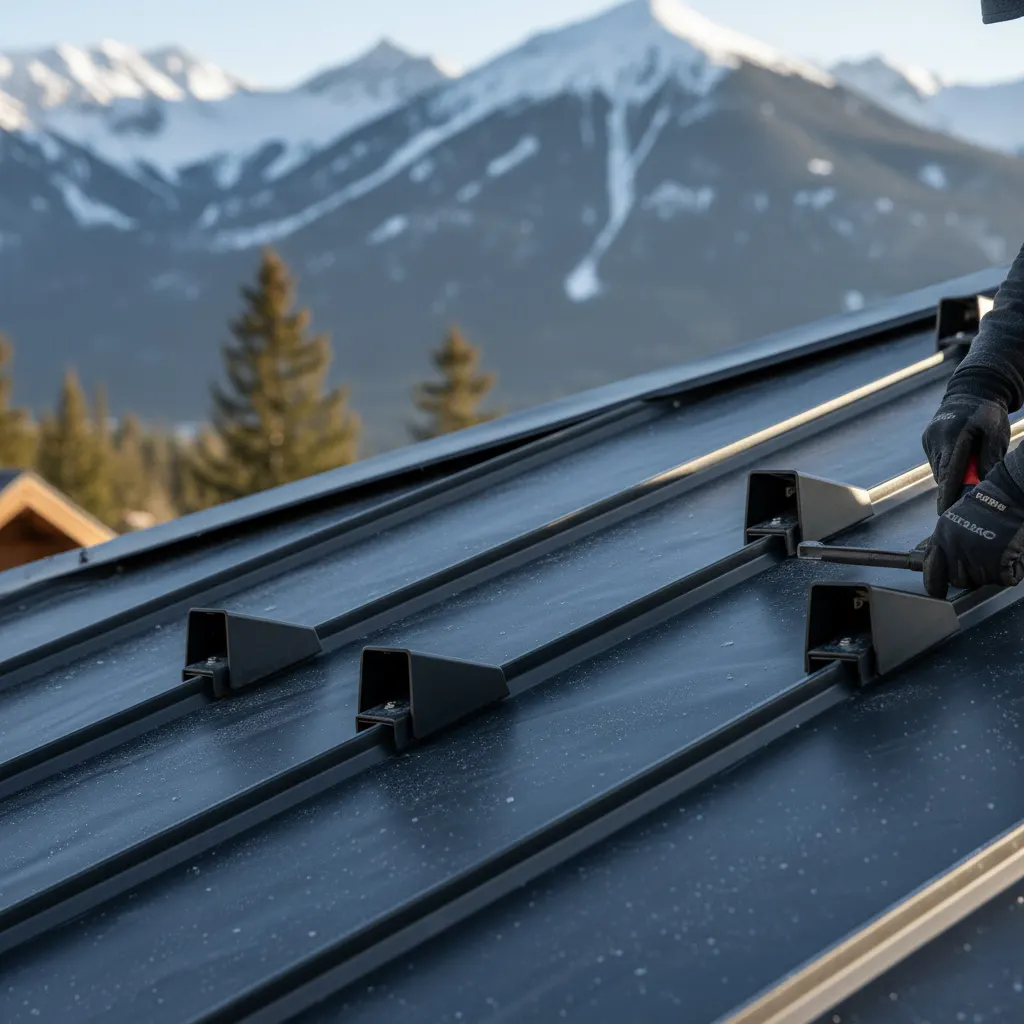
Safety First: Essential Precautions Before Climbing Up
One slip on a slick roof during a pre-storm check, and you're looking at a hospital bill bigger than your repair costs. Grand Rapids winds turn ladders into projectiles fast. Gear up right, or call us pros at the first sign of trouble.
Start with the basics. Secure your ladder on flat ground, three feet from the eaves, with a spotter holding it steady. Wear non-slip boots, gloves, and a harness tied to a solid anchor if your roof pitches steep.
Quick Gear Checklist
- Stable extension ladder rated for your weight plus tools.
- Hard hat to fend off flying debris.
- Flashlight or headlamp for shady spots.
- First-aid kit handy below.
- No solo climbs. Grab a buddy.
Skip the hero stuff if your roof's over two stories or shows major damage. A missed crack now means leaks later. Pros spot issues you can't from the ground.
Step 1: Assess Shingles and Roof Surface for Wear
Start on solid ground. Grab binoculars if you're not climbing up yet. Spot missing, cracked, or curling shingles from afar, especially on the south-facing side where Grand Rapids sun hits hardest.
Climb only if safe. Walk the roof in a grid pattern. Feel for soft spots underfoot, those scream water damage waiting to explode in a storm.
- Granule loss: Bare spots mean shingles are thinning fast.
- Curling edges: Wind will rip these off like paper.
- Buckling: Heat and moisture pushing them up, prime for leaks.
Count the damage. More than 10% bad shingles? Call pros now. A full replacement beats emergency patches after hail pounds your roof flat. This check alone catches 80% of storm vulnerabilities.
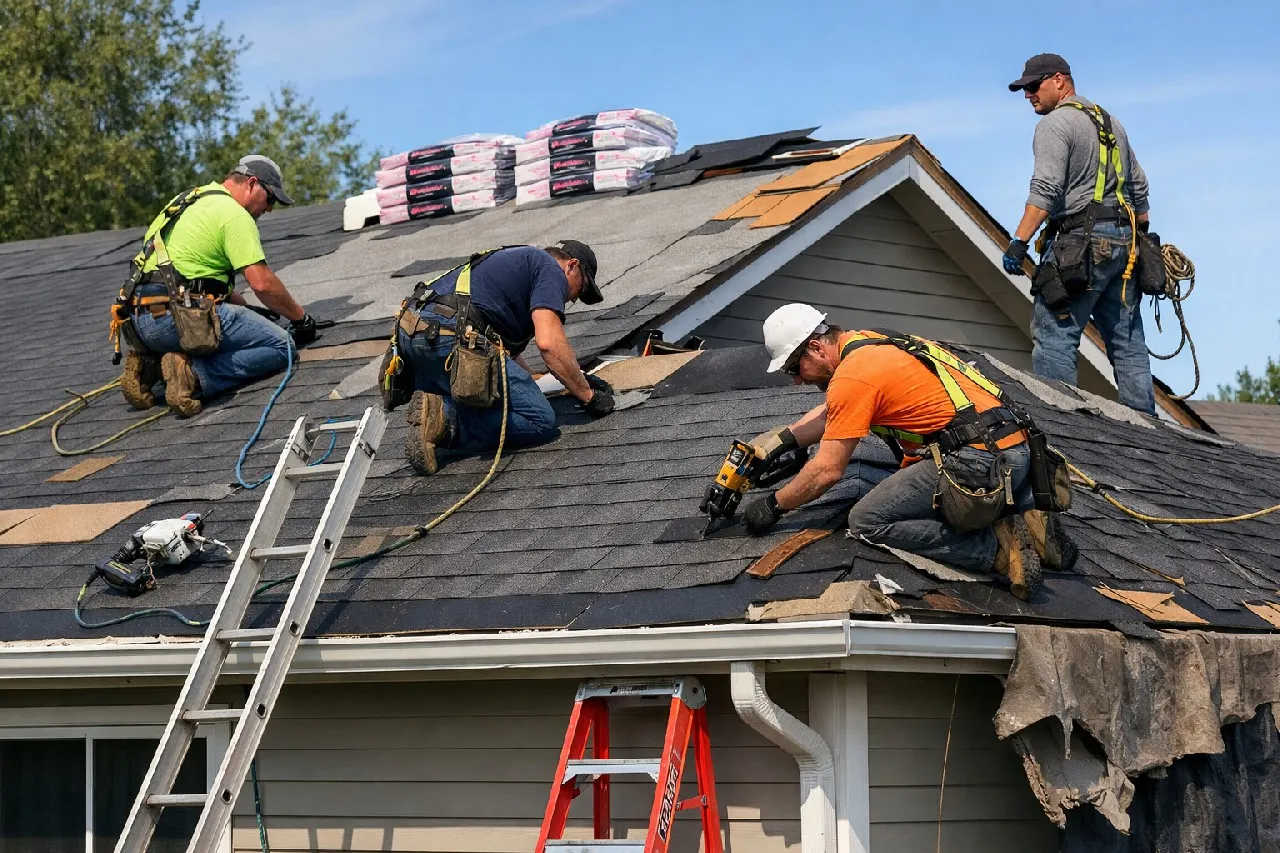
Step 2: Inspect Gutters, Downspouts, and Drainage
Grand Rapids storms dump rain like clockwork. Clogged gutters turn your roof into a swimming pool, forcing water under shingles and rotting your eaves. Get up there with a ladder and flashlight. Poke around for leaves, twigs, and Michigan pine needles packing the gutters tight.
Quick Gutters Gut-Check
- Clear debris from every section. Run water from a hose to watch the flow.
- Spot loose brackets or sagging gutters. They pull away from the roof during heavy wind.
- Check downspout joints for cracks. Water sneaks out and erodes your foundation.
Downspouts need love too. Make sure they direct water away from your house, at least five feet out. A simple extension or splash block stops pooling that invites basement floods. Pros see this fix save homes from thousands in water damage yearly.
Drainage isn't just gutters. Scan the ground around your home for low spots where water collects. Grade it away if needed, or call in help before the next squall hits. This step alone keeps your roof dry when thunder cracks overhead.
Step 4: Check Interior for Leaks and Attic Red Flags
Head inside now. Storm damage often shows up first on your ceilings and walls. Look for dark water stains or bubbling paint – those scream hidden leaks.
Grab a flashlight and scan every room. Yellowish-brown spots? Discolored drywall? Push on suspicious areas. If it feels soft or sags, water's been at work.
Attic Dive: Spot the Silent Killers
Climb into the attic with caution. No ladder? Call us – safety trumps heroics. Shine that light everywhere: rafters, insulation, sheathing.
- Mold or mildew patches: Black spots mean moisture's rotting your roof from within.
- Sagging beams: Structural weakness that storms exploit.
- Daylight peeking through cracks: Your roof's barrier is breached.
- Wet insulation: Clumps up and loses its punch against the cold Michigan winters.
Found any of these? Snap photos. Note locations. This intel arms you – or us – to fix it fast before Grand Rapids winds rip it wide open.
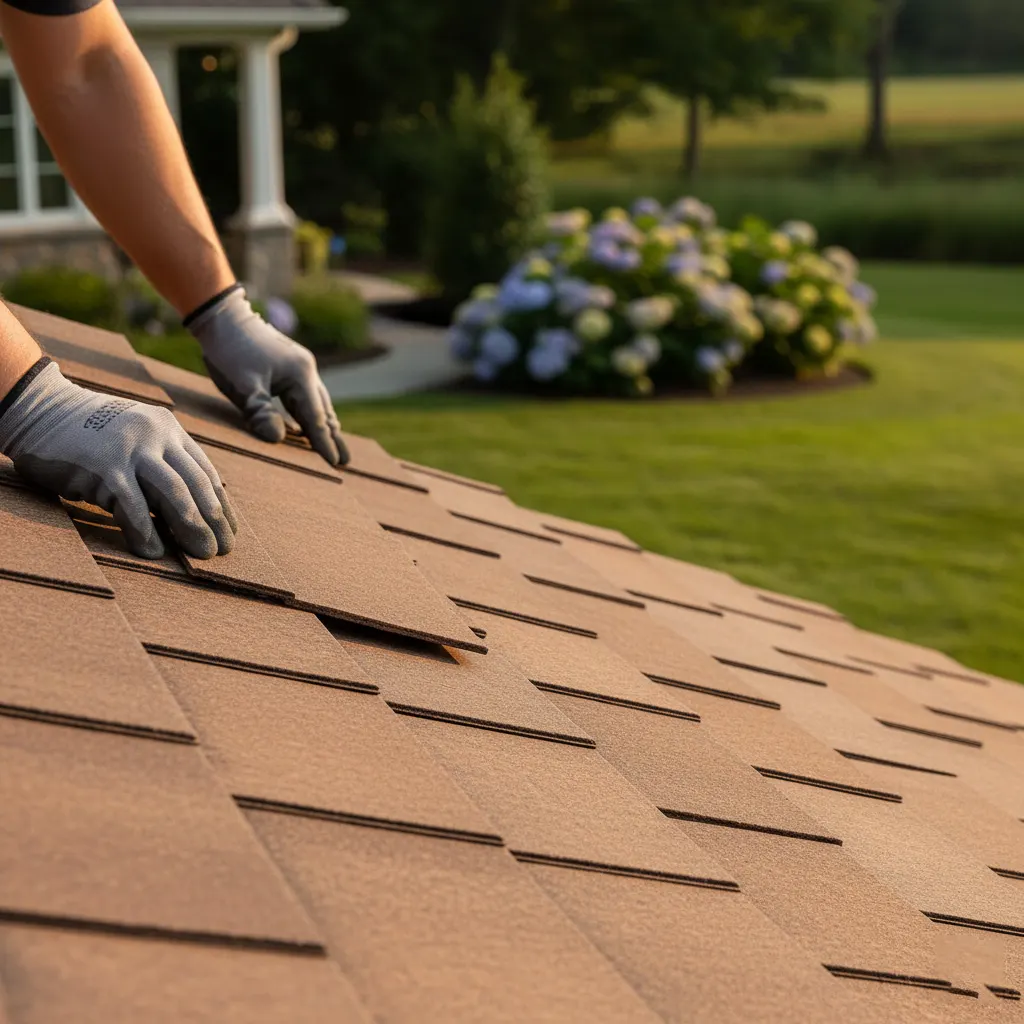
Step 4: Check Interior for Leaks and Attic Red Flags
Head inside now. Scan ceilings and walls in every room for dark water stains or bubbling paint. These spots scream trouble from past leaks that storms will rip wide open.
Grab a flashlight and climb into the attic. You're hunting for daylight peeking through cracks or wet insulation sagging like a defeated sponge. Moldy smells or black streaks on rafters? That's your wake-up call.
Spot These Attic Killers Fast
- Daylight leaks: Pinpoint holes where wind-driven rain will pour in.
- Discolored wood or rust on nails: Weak spots ready to fail under gusts.
- Sagging beams: Structural red flags from rot—don't ignore.
Found any of this? Snap photos. Note locations. Our Grand Rapids crew sees this daily after microbursts—catches issues early save roofs from total collapse.
Real-Life Case Study: Saving a Grand Rapids Roof from a Microburst
Last summer, Mike from East Grand Rapids called us in a panic. A microburst had just ripped through his neighborhood near Reeds Lake, winds clocking 70 mph. His roof? Barely a shingle out of place.
Why? Mike followed our checklist two days before. He spotted loose granules on the shingles during Step 1 and cleared debris from the gutters in Step 2. Those quick fixes held firm when the storm unleashed hell.
What Went Wrong Next Door
His neighbor ignored the warning signs. Cracked flashing around the chimney let water seep in during the downpour.
- Result: Ceiling stains and mold starting in the attic.
- Repair bill: $8,500.
- Mike's cost? Under $500 for minor patches.
Proof right here in Grand Rapids. Spot issues early, act fast. Your roof will thank you when the next microburst barrels down U.S. 131.
Final Thoughts
Storms don't wait for perfect timing. Grab this checklist today. Spot issues early, and your roof stays solid through the worst Grand Rapids throws at it.
But if ladders aren't your thing, or you see major red flags, skip the DIY risks. Our Roof Inspection team handles the climb, spots the hidden damage, and quotes fixes fast. No sales pressure, just straight facts.
- Schedule now before thunder rolls.
- Peace of mind? Priceless.
- Your roof, battle-ready.
Act sharp. Next downpour tests your prep.
People Also Ask
How often should I inspect my roof before storms in Grand Rapids?
Inspect your roof at least twice a year, with additional checks before the stormy seasons of spring and fall in Grand Rapids. This proactive approach helps identify wear from Michigan's harsh weather early. Professional inspections are recommended annually for comprehensive assessments. Authoritative guidance: moisture control.
What are the common signs of roof damage to check before a Grand Rapids storm?
Look for missing or curling shingles, granule loss in gutters, and cracks in flashing around vents and chimneys. Interior signs include water stains on ceilings or attic mold. Addressing these prevents storm-related failures.
Can homeowners safely perform a roof inspection checklist themselves?
Yes, but prioritize safety with stable ladders, harnesses, and non-slip shoes; avoid inspections in wet conditions. Use binoculars for a ground-level view of shingles and gutters. For steep roofs or doubts, hire a certified Grand Rapids roofer.
How do Grand Rapids storms impact roofs, and why pre-storm inspections matter?
High winds from lake-effect storms and microbursts can lift shingles and damage flashing, while heavy rain overwhelms clogged gutters. Pre-storm inspections catch vulnerabilities, reducing repair costs and insurance claims. Local roofs face unique stress from Great Lakes weather patterns.
What should I do if I find issues during a pre-storm roof inspection?
Document damage with photos and contact a local Grand Rapids roofing expert immediately for repairs. Temporary fixes like tarps can protect against imminent storms. Schedule full repairs promptly to maintain warranty and insurance coverage.
Need Roofing Services?
Fast roof repairs and replacements delivering leak-proof protection in Grand Rapids, MI and nearby areas (49503, 49505, 49506, 49507, 49508).
Get Roof Quote