


⚡ TL;DR: This comprehensive guide helps Fort Wayne homeowners understand the essential steps for proper tile roof installation, from structural preparation to maintenance strategies that ensure long-term residential roof durability.
📋 What You’ll Learn
Installing a tile roof in Fort Wayne requires precision and climate-specific planning. This guide details the essential steps, structural considerations, and maintenance strategies needed to ensure your roof survives Indiana’s unique weather.
- Understand structural load requirements to ensure your home’s framing can safely support the significant weight of clay or concrete tiles before beginning the installation process on your property.
- Select weather-resistant tile materials designed to withstand Fort Wayne’s drastic seasonal temperature fluctuations, preventing common issues like cracking, thermal shock, and long-term moisture penetration during harsh winters.
- Master proper underlayment installation which serves as the secondary barrier against leaks, protecting your home’s decking from water damage even if individual tiles become cracked or displaced later.
- Implement high-wind attachment techniques that secure tiles firmly in place, meeting local building codes and providing your home with superior protection against unpredictable Midwestern storm gusts and debris.
- Adopt proactive maintenance routines that extend the life of your investment by clearing debris, inspecting flashings, and identifying potential concerns before they evolve into costly structural repairs.
📖 Reading time: 8 min
✍️ Author expertise: Master roofer with twenty years of hands-on tile installation experience across Fort Wayne.
Ever watched a brutal Fort Wayne thunderstorm rip shingles off a neighbor's house while yours stays bone-dry and unscathed?
That's the quiet power of a tile roof installed right—durable, stunning, and built to shrug off Midwest hail, wind, and snow like it's nothing.
But screw up the installation, and you're staring at leaks, cracks, and a repair bill that hits like a lightning strike.
Discover the exact steps our crew uses to get tile roofs bulletproof in Fort Wayne, starting with the foundation that makes all the difference.
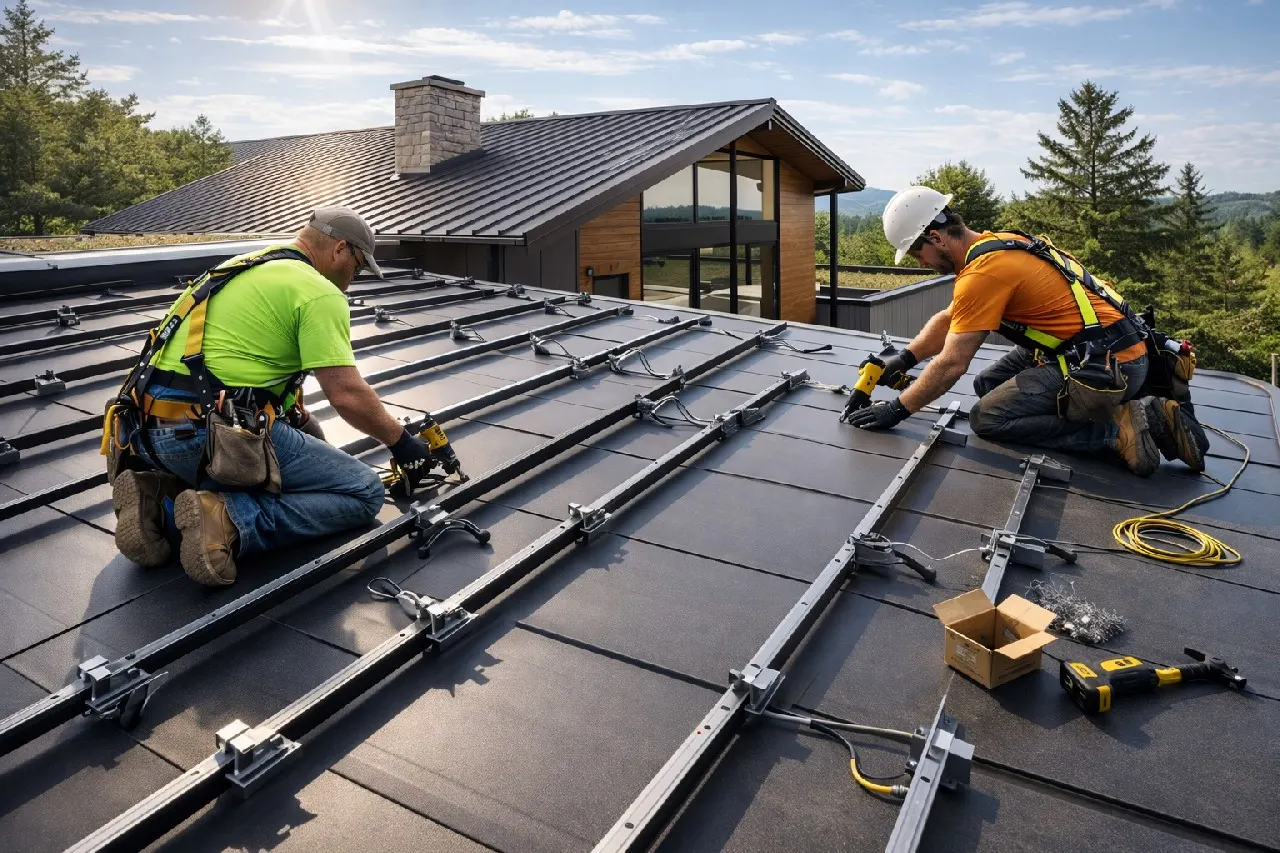
1. Understanding the Structural Requirements for Heavy Tile Roofing
Most homeowners don’t realize that a tile roof is a heavy hitter. We aren't talking about lightweight asphalt shingles here; clay or concrete tiles can weigh over 1,000 pounds per square. If your house wasn't framed to carry that load, your roof deck will sag, and your walls might even shift over time.
Before we lay a single tile, our engineers look at the load-bearing capacity of your rafters. If your existing structure is borderline, we don't just guess. We reinforce the framing to handle the permanent weight, ensuring your home stays square for decades.
Here is what we check before starting any heavy roofing project:
- Rafter spacing: Are your joists 16 inches on center, or do they need extra bracing?
- Roof pitch: Tile requires specific slopes to shed water effectively and prevent ponding.
- Foundation check: We ensure your home’s skeletal structure can support the added mass of modern materials.
Ignoring these basics is how roofs fail. We pride ourselves on the fact that our installations never lead to structural sag. We build the support system first so that the aesthetic finish is rock solid from day one.
Selecting the Best Tile Material for Fort Wayne’s Variable Climate
Fort Wayne weather is a game of extremes. You get blistering summer heat, followed by heavy autumn rains, and finally, those bone-chilling winters that push materials to their breaking point.
If you pick the wrong tile, the freeze-thaw cycle will turn your roof into a graveyard of cracked clay and brittle concrete. You need a material that actually breathes and adapts to Indiana, not one that fights the seasons.
Top Material Picks for Local Homes
- Clay Tiles: These are the gold standard for longevity. They handle moisture beautifully and won't fade under the harsh summer sun.
- Concrete Tiles: If you want the look of slate or wood shake without the insane price tag, this is your winner. They are incredibly tough against hail, which is a major plus during our spring storm season.
- Composite Tiles: These modern marvels are lightweight and engineered specifically to resist impact. They are often the best choice if your home's structure needs a lighter load without sacrificing a rugged exterior.
Think about the weight and the thermal performance before you buy a single pallet. Clay tiles offer a timeless, historic look but require a rock-solid support system to handle the sheer tonnage.
Concrete tiles provide massive impact resistance, which is basically an insurance policy against Fort Wayne hail. Whatever you choose, make sure the material is rated for freeze-thaw cycles, or you will be calling us for repairs long before you should.

The Critical Role of Underlayment and Decking Preparation
Think of your roof deck as the skeleton of your home. If the wood isn’t prepped correctly, that heavy clay or concrete tile is going to fail before the first decade is even up.
We start by inspecting the structural decking for rot, soft spots, or loose fasteners. If the plywood is sagging, we replace it. You cannot shortcut this step because tile is heavy, and it demands a perfectly flat, rock-solid surface to sit on.
Once the deck is solid, the real magic happens with the underlayment. In our Fort Wayne climate, we deal with wild temperature swings that cause condensation. This is the enemy of your roof.
Why Underlayment Choice Matters
We ignore those cheap, paper-thin felts you see on budget jobs. Instead, we use high-temp synthetic underlayment that acts like a second skin for your house. Here is why this setup is non-negotiable for our local weather:
- It creates a moisture barrier that keeps ice dam meltwater from soaking into your attic during a thaw.
- The material grips the deck, preventing those annoying ripples that lead to premature cracks in the tile.
- High-grade synthetics provide a critical secondary layer of defense if a windstorm manages to dislodge a single tile.
The flashing, which is the metal that seals the gaps around chimneys and vents, is the next line of defense. We tuck it deep under the underlayment to ensure water is channeled away from your home, not trapped against it. It is messy, detailed work, but it is the only way to keep a Fort Wayne home dry for forty years or more.
Precision Installation Techniques for High-Wind Resistance
Fort Wayne winds don't play by the rules, and neither should your roof installation. When gusts hit, they create uplift pressure that acts like a vacuum, trying to peel tiles right off your decking.
We don't just lay tiles; we lock them down. Standard nailing simply won't cut it when the storm clouds gather over Indiana.
To keep your roof pinned to the house, we follow these precision protocols:
- Strategic Fastening: Every single tile is secured with heavy-duty, corrosion-resistant screws or nails, specifically calculated for your roof's pitch and exposure.
- Interlocking Integrity: We ensure each tile is properly nested, creating a continuous, aerodynamic shield that prevents wind from getting underneath the surface.
- Adhesive Reinforcement: On high-slope sections and roof edges, we apply foam-to-tile adhesive to create an extra layer of wind-tested structural bonding.
It is all about the details that no one sees once the job is finished. If the perimeter tiles are not anchored with absolute precision, the wind will find that weak spot and use it as a lever.
Our team treats every edge, hip, and valley as a potential entry point for disaster. By reinforcing these critical transition zones, we turn your roof into a monolithic barrier that stands its ground while others are losing parts of their home to the wind.
Case Study: Restoring a Historic Fort Wayne Property with Durable Clay Tiles
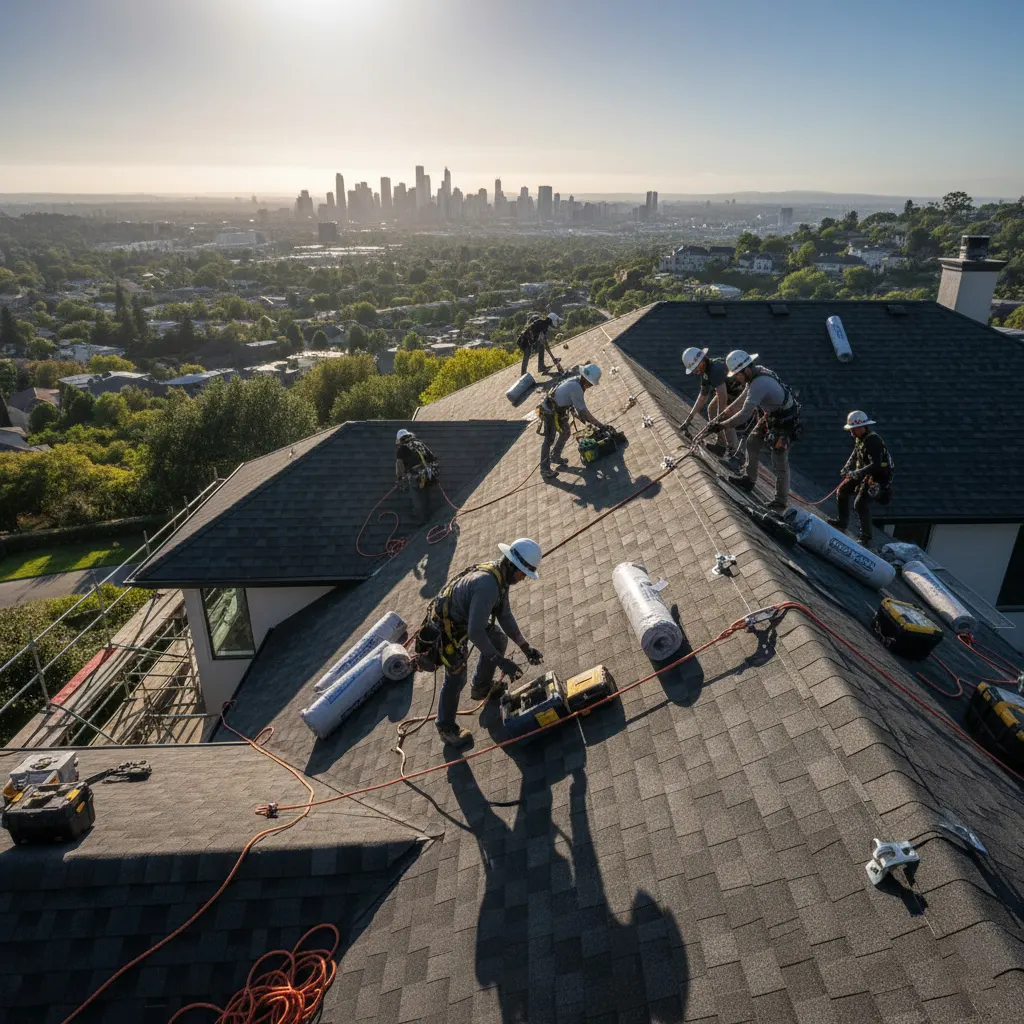
We recently took on a project involving a century-old home in the West Central neighborhood that had lost its original charm due to sagging asphalt. The owner wanted the authentic look of clay tiles but worried the aging rafters couldn't handle the weight.
Our team didn't just slap tiles on top of the old structure. We performed a full assessment of the skeletal integrity of the roof system.
To pull this off without compromising the home's history, we implemented a few key upgrades:
- Reinforced the existing roof trusses with additional lumber supports to manage the increased load.
- Installed high-grade, moisture-resistant plywood decking to create a rock-solid base.
- Ensured proper ventilation gaps to stop heat from trapping under the tiles during our humid Indiana summers.
The result was a total transformation that honored the home's architectural roots while providing modern, bulletproof protection. We chose a high-fire clay product that mimics the classic aesthetic perfectly but resists the decay that typically plagues older roofing materials.
The owner stopped worrying about every storm that rolled through Fort Wayne. They gained a lifetime roof that actually improves the curb appeal and resale value of their historic investment.
Ongoing Maintenance Strategies to Prolong Your Tile Roof’s Lifespan
Think of your tile roof like a high-performance engine. Even the best engineering needs a tune-up to keep running for fifty years or more.
In Fort Wayne, your roof battles everything from freezing winter ice dams to sweltering summer heat. You cannot simply install it and walk away forever.
To keep your investment secure, focus on these simple, high-impact maintenance habits:
- Clear the debris: Leaves and pine needles trapped in valleys trap moisture and cause rot. Clear these out twice a year, especially after autumn leaves fall.
- Inspect the flashings: The metal strips around your chimney and vents are the most common points of failure. Check them for rust or gaps after every major wind event.
- Mind the growth: Moss and algae might look charming on a cottage, but they hold moisture against the tiles. Use a professional, non-abrasive wash to keep your tiles clear and breathable.
Never walk on your roof unless you absolutely have to. Tile roofs are incredibly durable against the elements, but they are surprisingly brittle under the weight of a heavy human boot.
If you see a cracked or slipped tile, do not attempt a DIY patch job with standard caulking. It will fail, and it will look hideous.
Instead, call a professional who knows how to weight-distribute properly. A small, early repair prevents water from reaching your decking and saves you thousands in structural damage later.
Final Words
When you commit to a tile roof, you aren't just buying a cover for your home; you are investing in a fortress. Whether you opt for classic clay or modern concrete, the success of your project rests entirely on the execution of the install.
A professional Tile Roof Installation acts as the ultimate shield against the unpredictable Indiana weather. If you cut corners now, you will pay double later.
Before you hire the first contractor with a shiny truck, look for these non-negotiables:
- Proper load-bearing verification by a structural engineer.
- The use of high-temperature underlayment designed for freeze-thaw cycles.
- Strict adherence to local building codes regarding wind uplift resistance.
Remember, a tile roof is a long-term asset that can last for over 50 years if treated with respect. Don't settle for "good enough" when your property value and peace of mind are on the line. Get it done right the first time, and you will never have to worry about your roof again.
People Also Ask
Is a tile roof a good choice for the climate in Fort Wayne, IN?
Yes, tile roofs are an excellent choice for Fort Wayne because they offer superior durability against seasonal temperature swings and heavy precipitation. When installed correctly, high-quality clay or concrete tiles provide exceptional thermal insulation and long-term protection for your home.How long does a professionally installed tile roof last?
A professionally installed tile roof can last 50 to 100 years, significantly outperforming traditional asphalt shingles. Their longevity depends on high-quality underlayment and proper maintenance, making them a wise long-term investment for Fort Wayne homeowners.Does my home need structural reinforcement for a tile roof?
Because tile roofing is significantly heavier than other materials, a structural assessment is mandatory before installation. Our team ensures your roof rafters and decking are properly reinforced to support the added weight, ensuring the safety and integrity of your property.How do you ensure a tile roof remains secure during high winds?
We utilize precision fastening techniques, including stainless steel nails or screws and storm-rated adhesive patterns, to secure every tile. These methods ensure your roof maintains its structural integrity and stays firmly in place during Fort Wayne's frequent high-wind storms.What is the most important component of a tile roof system?
The underlayment is the most critical component, as it acts as the primary moisture barrier beneath the decorative tiles. Investing in high-performance, weather-resistant underlayment is essential to prevent leaks and ensure your tile roof lasts for decades.Need Roofing Services?
Fast roof repairs and replacements in Fort Wayne, IN and nearby areas (46802, 46804, 46805, 46815, 46825) deliver swift protection and lasting durability.
Get Roof Quote