

⚡ TL;DR: This roof inspection checklist for Fort Lauderdale homes covers DIY tools, exterior and interior checks, local hurricane risks, and red flags to prevent costly damage.
📋 What You’ll Learn
In this Fort Lauderdale roof inspection guide, you’ll master DIY checklists, spot local risks like hurricanes and humidity, identify red flags, and learn pro tips to save thousands on repairs.
- Gather essential tools and safety gear for safe DIY inspections, including ladders, harnesses, binoculars, gloves, and helmets to avoid falls and ensure thorough rooftop checks.
- Spot exterior issues like damaged shingles and flashing using our checklist to detect storm wear, cracks, and granule loss before they lead to costly leaks.
- Detect interior leaks and attic damage by inspecting for water stains, mold, sagging ceilings, and insulation problems signaling hidden roof failures in humid climates.
- Navigate Fort Lauderdale roof threats from hurricanes, high humidity, and algae growth, plus red flags that demand immediate professional intervention to protect your home.
- Apply lessons from a real case study where early inspection saved a local home $15,000 in hurricane repair costs through proactive detection and action.
📖 Reading time: 7 min
✍️ Author expertise: Fort Lauderdale roofing pro with 15 years of field inspections on hurricane-damaged roofs.
One brutal afternoon thunderstorm in Fort Lauderdale, and your roof springs a leak that turns into a $15,000 nightmare. Homeowners ignore the signs until it's too late, watching water damage spread like wildfire through their attic and walls.
But what if a quick walk-around with the right checklist caught those cracks and weak spots first? You'd dodge thousands in repairs and keep your family safe under a solid shield.
Grab this no-nonsense roof inspection checklist tailored for our humid, storm-battered South Florida roofs, and turn potential disaster into peace of mind.
Essential Tools and Safety Gear for DIY Roof Inspections
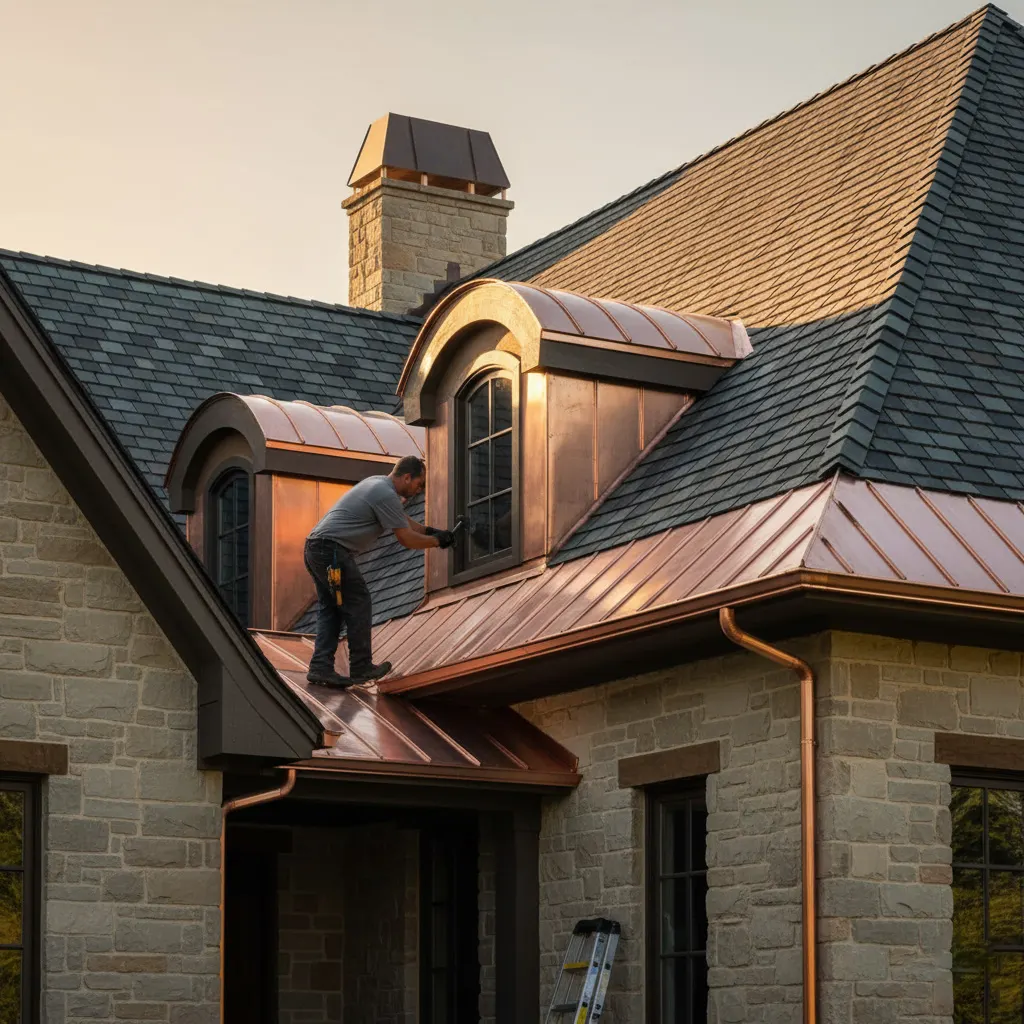
Before you climb up, gear up right. One slip on slick shingles means a trip to the ER, not just a sore back. Prioritize safety to inspect without incident.
Safety Must-Haves
- Sturdy extension ladder rated for your weight, secured at the base and top.
- Non-slip shoes with thick soles to grip wet or mossy surfaces.
- Work gloves for sharp edges, plus safety glasses against dust and debris.
- Helmet if you're hitting steep pitches, and a spotter below yelling warnings.
Skip the cheap stuff. It fails when you need it most. Test everything on flat ground first.
Inspection Tools That Spot Trouble Fast
- Binoculars for distant views without full climbs.
- Flashlight or headlamp to peer into dark corners.
- Digital camera to snap proof for pros later.
- Moisture meter for attic checks on hidden dampness.
Pack light but smart. These basics uncover 80% of issues from the ground or edge. No fancy gadgets required.
Exterior Checklist: Spotting Shingles, Flashing, and Storm Damage
Grab binoculars if your roof pitches steep. Walk the perimeter on a dry day. Look up close from the ground first - no ladder risks yet.
Shingles: Curling, Cracking, or Missing?
- Curling edges lift like potato chips. Wind or age did that.
- Cracked or bald spots show granule loss. Granules in gutters? Replace time.
- Missing shingles scream storm hit. Count 'em - over five means trouble brewing.
Fort Lauderdale sun bakes shingles fast. Check for even wear across the whole surface. Uneven means poor install or settling foundation.
Flashing Around Chimneys, Vents, and Skylights
- Lift and buckle? Water sneaks in there.
- Rust streaks or gaps wider than a finger? Seal or replace pronto.
- Loose nails popping out. Hammer 'em down, but pros handle valleys best.
Storm damage hides sneaky. Bruised or dented spots from hail or debris. Fresh green algae streaks? Humidity's gift - scrub test one spot, but call if widespread.
Interior Inspection: Detecting Leaks, Attic Issues, and Hidden Water Damage
Head inside first. Grab a flashlight and climb into the attic. You're hunting for trouble that storms and humidity hide from plain sight.
Ceiling Stains and Wall Warnings
Scan your ceilings for dark spots or discoloration. These scream water intrusion from cracked shingles or bad flashing.
Check walls near the roofline too. Yellowish-brown stains or bubbling paint mean moisture's already at work.
- Push on stained areas gently. Soft spots signal rot starting.
- Smell for mustiness. That's mold's calling card in our steamy Florida air.
Attic Deep Dive
Pull down the attic stairs or ladder. Shine that light everywhere.
Look for wet insulation clumped together. It's a dead giveaway for leaks pooling up top.
- Inspect rafters for dark streaks or white crusty efflorescence. Salt deposits from trapped water.
- Feel for dampness on wood. Even if dry now, repeated hits weaken it fast.
- Spot mold patches? Black or green fuzz on beams means poor ventilation fueling the beast.
Found any of this? Snap photos. Note locations. Your roof's whispering it's time to act before a downpour turns it to a roar.
Fort Lauderdale Roof Risks: Humidity, Hurricanes, and Algae Threats
Fort Lauderdale's steamy air doesn't just make you sweat. It soaks into your roof, breeding rot and mold that chew through shingles from the inside out. One overlooked damp spot, and you're staring at a full replacement.
Humidity's Silent Wrecker
High moisture levels trap heat under your roof. Wood swells, cracks form, and insulation turns to mush. Check for soft spots or bubbling paint inside your attic weekly.
- Dark stains on underside sheathing? That's rot starting.
- Musty smells? Mold's already partying up there.
- Sagging ceilings below? Water's winning.
Hurricanes and Algae Double-Team
Our hurricane season packs 150 mph winds that launch debris like missiles at your shingles. Post-storm, algae streaks pop up fast in the humidity, gripping granules and speeding erosion.
Spot black streaks curling over ridges? That's algae eating your roof's armor. After any blow, scan for missing chunks or lifted edges before the next band hits.

Red Flags That Scream 'Call a Professional Now'
Spot these killers during your inspection, and drop the ladder. Grab your phone instead. Your DIY days end here to avoid a total roof collapse or hidden dangers.
Exterior Nightmares
- Missing or curling shingles over 10% of the roof. Wind from a pop-up squall rips them off fast in our gusts.
- Sagging ridges or valleys. That means structural rot eating your frame alive.
- Cracked or bulging flashing around chimneys and vents. Water's already sneaking in.
Inside, don't ignore attic stains spreading like ink. Or that musty stench screaming mold. Granules piling up in gutters? Your shingles are shot and shedding like crazy.
One whiff of these, and pros swoop in with drones, thermal cams, and know-how you lack. Save the headache. Call before a storm turns "fixable" into "flatten and rebuild."
Case Study: Saving a Fort Lauderdale Home from $15,000 in Hurricane Damage
Meet Mike, a busy Fort Lauderdale dad with a 20-year-old shingle roof. Hurricane season hit hard last year. Winds ripped through his neighborhood, but his house stood—until water stains appeared on the ceiling two weeks later.
Mike grabbed our checklist for a DIY once-over. He spotted the trouble fast. No waiting for pros to quote a full replacement.
Key Discoveries from Mike's Inspection
- Cracked flashing around the chimney—prime leak source after storm gusts.
- Missing granules on south-facing shingles, exposing them to brutal UV and rain.
- Soft spots in the attic sheathing from hidden moisture buildup.
Armed with photos and notes, Mike called us in. We fixed just the damaged sections for $2,500. Full tear-off? That would've run $17,500 easy.
Today, Mike sleeps sound through storms. His roof's battle-ready again. Proof a simple checklist turns panic into a quick win.
Final Thoughts
Your roof takes a beating from Fort Lauderdale's relentless sun, pounding rains, and howling winds. Skipping inspections hands the advantage to hidden damage that balloons into massive bills. Stay ahead with this checklist, and you're the boss of your home's defense.
Spot issues early? Great. But when red flags wave, don't play hero. Dive into our Roof Inspection services for pros who catch what DIY misses, saving you headaches and cash.
- Inspect twice a year, minimum.
- After every storm, hit the checklist fast.
- Act now. Your roof's begging for it.
Turn vigilance into victory. Solid roof today means dry, safe living tomorrow. You've got the tools, now use 'em.
People Also Ask
How often should I get a roof inspection in Fort Lauderdale?
In Fort Lauderdale's humid, hurricane-prone climate, inspect your roof twice a year—once in spring and once after storm season. Regular checks help catch issues like algae growth or shingle wear early, preventing costly repairs. For high-risk homes, annual professional inspections are recommended to ensure longevity. Authoritative guidance: moisture control.
What are common signs of roof damage after a hurricane in Fort Lauderdale?
Look for missing or curled shingles, damaged flashing around chimneys and vents, and granule loss on asphalt roofs. Granules in gutters signal excessive wear from high winds and debris. Interior signs like water stains on ceilings indicate urgent hidden damage.
Can I perform a DIY roof inspection safely?
Yes, with proper safety gear like harnesses, non-slip shoes, and ladders, you can check exteriors from the ground or edges. Avoid walking on steep or wet roofs to prevent falls. For thorough assessments, especially attics, hire professionals to spot subtle issues.
How much does a professional roof inspection cost in Fort Lauderdale?
Expect to pay $200-$500 for a standard inspection, depending on roof size and complexity. Many local roofing companies offer free initial checks post-storm. This investment can save thousands by identifying problems before they escalate.
What should I check in my attic during a roof inspection?
Inspect for water stains, mold, or rot on rafters and insulation, which signal leaks. Check for daylight through cracks or gaps in the roof decking. Poor ventilation often worsens humidity damage in Fort Lauderdale homes.
Need Roofing Services?
Fast roof repairs and replacements delivering leak-proof protection in Fort Lauderdale, FL and nearby areas (33301, 33304, 33308, 33312, 33316).
Get Roof Quote