
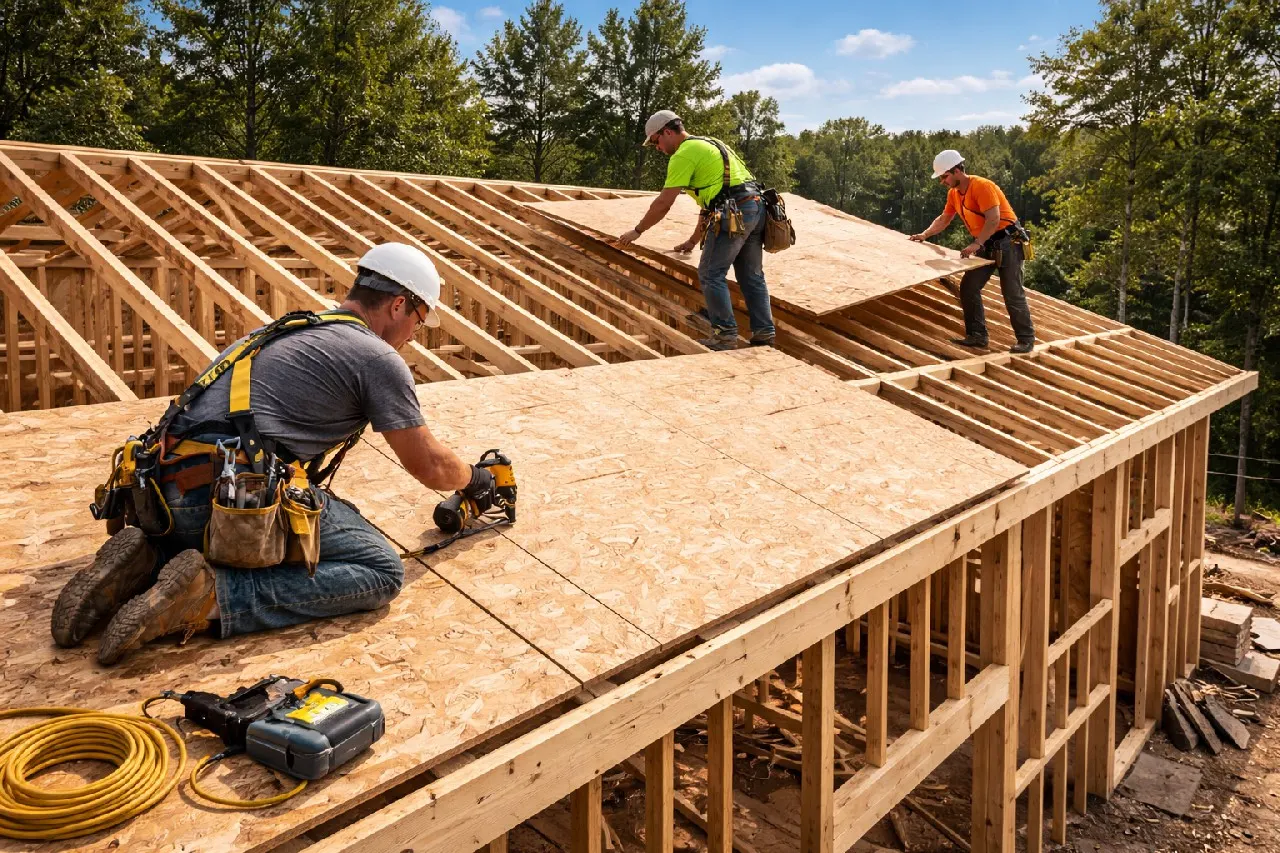


⚡ TL;DR: Discover key warning signs of roof deck failure in Fort Lauderdale's climate, like spongy spots and water stains, to determine when replacement is essential.
📋 What You’ll Learn
In this Fort Lauderdale roof deck guide, you’ll spot critical failure warning signs, grasp climate-driven causes, explore a real rescue case, and get tips to safeguard your deck from collapse.
- Uncover local climate causes of roof deck rot like humidity, salt air, and storms that weaken plywood faster, demanding proactive checks in our subtropical environment.
- Spot spongy soft areas underfoot as early rot signals, preventing slips and structural fails by prompting timely inspections before hidden damage spreads unchecked.
- Recognize water stains and discoloration revealing leaks that foster mold and board decay, especially after heavy rains common in Fort Lauderdale's wet season.
- Detect popped nails and warping plus sagging via a balcony collapse case study, highlighting urgency for replacement to avert disasters and ensure safety.
📖 Reading time: 7 min
✍️ Author expertise: Fort Lauderdale roofer with 20 years of hands-on deck inspections and replacements.
You're lounging on your Fort Lauderdale balcony, waves crashing in the distance, when a soft creak underfoot stops you cold. That subtle shift isn't your imagination—it's your roof deck whispering it's on its last legs, thanks to our relentless humidity and brutal storms.
Ignore it, and you're inviting leaks, mold, even structural failure that could turn your dream home into a nightmare. Homeowners here see it all too often: spongy wood, discolored stains, or nails popping like fireworks after the next big blow.
Spot these warning signs early, and you save thousands on emergency roof deck replacement. Let's dive into the top indicators you can't afford to miss.
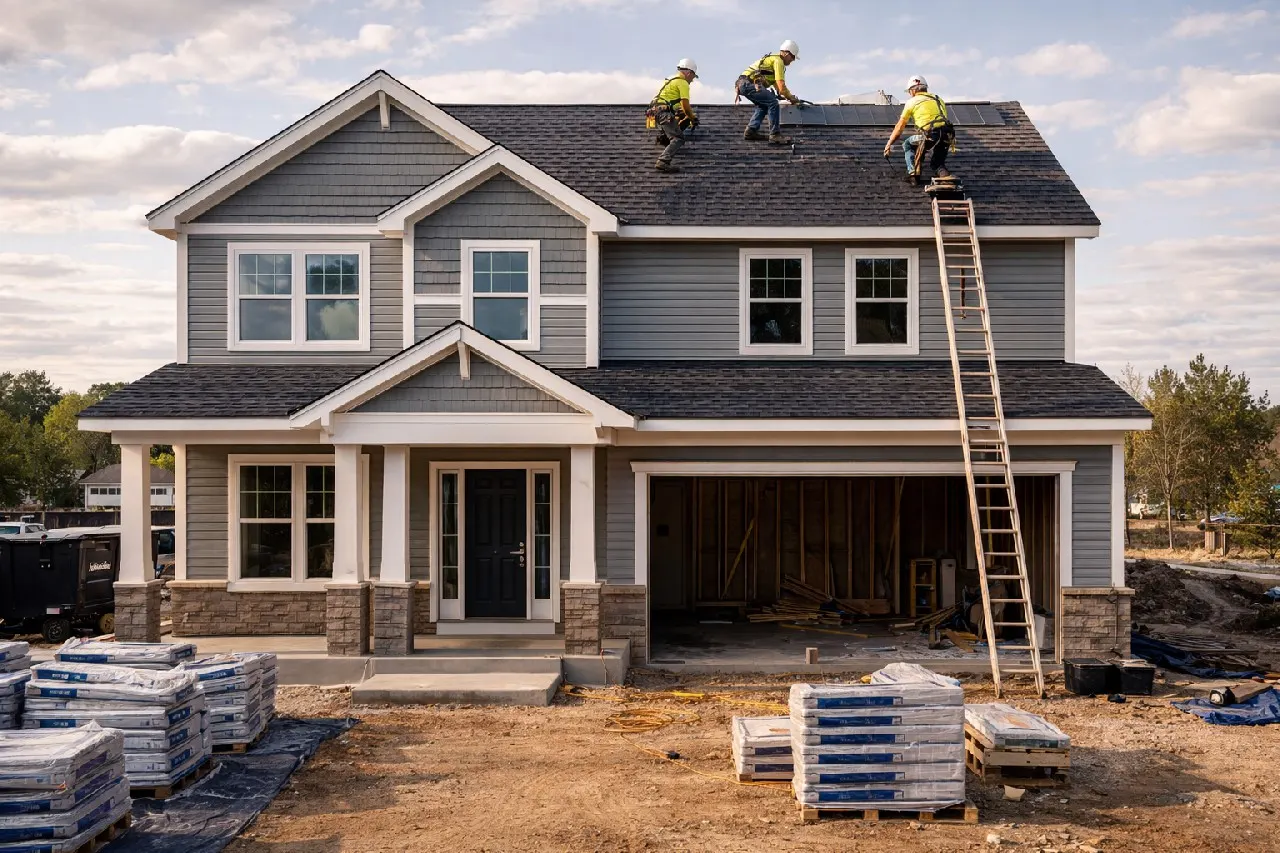
Common Causes of Roof Deck Failure in Fort Lauderdale's Climate
Fort Lauderdale's steamy air hits roof decks hard. Constant humidity soaks plywood and joists, turning solid wood into mush over time. Add pounding rains from summer squalls, and you've got a recipe for rot that spreads fast.
Salt air from the ocean makes it worse. It corrodes metal fasteners and eats away at untreated wood. High winds during hurricane season rip shingles loose, letting water pool right where it hurts most.
Top Culprits Breaking Down Your Deck
- UV rays baking boards dry, causing cracks and splits.
- Pooling water after storms, with no place to drain.
- Poor ventilation trapping moisture underneath.
- Subpar materials that can't hack our brutal weather.
Skip regular checks, and these forces team up for disaster. Catch them early. Your wallet will thank you.
Warning Sign 1: Spongy or Soft Spots Underfoot
Picture this: you step onto your balcony or flat roof area, and your foot sinks just a bit. That spongy feel screams trouble. It's the first clue your roof deck plywood is rotting from the inside out.
Fort Lauderdale's sky-high humidity keeps moisture trapped under roofing materials. Add pounding rains from hurricanes, and wood fibers break down fast. Before long, those boards can't hold weight anymore.
Quick Checks to Confirm the Problem
- Press down firmly with your heel in suspicious spots. Does it bounce back slowly?
- Probe with a screwdriver. If it sinks in easy, rot has set in deep.
- Listen for creaks or hollow thuds when you walk. Solid decks don't complain like that.
Spot this early, and you dodge a full collapse. Call a pro inspector right away. Delaying means water invading your home next.

Warning Sign 2: Water Stains and Discoloration
Picture this: you're inspecting your balcony after a heavy rain, and there they are. Dark, irregular water stains spreading across the ceiling below or on the deck boards themselves. These aren't just ugly marks; they're screaming that water's sneaking through cracks or gaps in your roof deck.
Fort Lauderdale's constant humidity and pounding downpours turn small leaks into big problems fast. Moisture trapped under the surface rots plywood from the inside out, weakening the whole structure before you even notice. Ignore these stains, and you're looking at mold growth plus potential ceiling collapse indoors.
Check these spots right away:
- Brown or black discoloration on wood or drywall.
- Peeling paint or bubbling surfaces nearby.
- A musty smell that hits you like a wall.
Grab a flashlight and poke around edges. If the stain feels damp weeks after dry weather, call pros for a full inspection. Catching it now beats a flooded living room later.
Warning Sign 4: Cracks, Warping, and Sagging
Picture this: your roof deck boards twisting like pretzels after a humid summer soak. Cracks split open from constant expansion and contraction. Heat bakes the wood dry one day, then rain swells it the next.
Warping hits next. Boards curl at the edges, refusing to lay flat. Our salty sea air accelerates this mess, eating away at the fibers.
Spot These Red Flags Fast
- Sagging sections that dip under weight – a sure collapse signal.
- Visible gaps between boards wider than a finger.
- Wood that's buckled or cupped like a bad poker hand.
Ignore them, and you're one storm away from disaster. Call in pros before the whole deck gives way.

Warning Sign 4: Cracks, Warping, and Sagging
Picture this: you're walking across your roof deck, and the boards look like they've been through a bad breakup. Cracks splitting the wood, edges curling up like potato chips left in the sun, or the whole surface dipping low in the middle. These aren't just ugly; they're screaming for immediate attention.
Fort Lauderdale's sweltering heat bakes moisture into the wood, making it expand and contract like a breathing beast. Throw in pounding rain and hurricane-force winds, and you get warping that pulls nails loose. Sagging? That's your deck's way of saying the joists below can't take the strain anymore.
Spot these fast:
- Cracks wider than a pencil lead – water's highway straight to rot.
- Warped boards lifting more than a quarter-inch – trip hazard and structural killer.
- Sagging spans over two feet – collapse waiting to happen.
Grab a flashlight. Poke around edges and center. If it flexes or groans, shut it down and call in the pros before your next barefoot stroll ends in the ER.
Case Study: Rescuing a Fort Lauderdale Balcony from Imminent Collapse
Picture Mike, a retiree in Victoria Park. He ignored the soft spots on his balcony for months after Hurricane season hammered South Florida. One day, a glass of iced tea slipped right through a rotted board.
That wake-up call hit hard. He called us for an inspection. Our crew found the deck plywood turned to mush from constant moisture trapped under old tiles.
What We Discovered
- 70% rot damage across 400 square feet.
- Popped nails everywhere, boards shifting like loose teeth.
- Water stains bleeding into the framing below.
We ripped it all out fast. Installed new marine-grade plywood sealed tight against humidity. Mike's back to sunset drinks, balcony solid as the day it was built.
No collapse. No lawsuits. Just peace of mind in storm country.
Final Thoughts
Your Fort Lauderdale roof deck doesn't fail overnight. It sends signals first. Catch them now, or pay big later.
Grab a flashlight. Walk your deck today. Feel for soft spots. Check for stains. Note any shifts.
Quick Action Steps
- Schedule a free inspection before the next storm hits.
- Explore our Roof Deck Replacement options tailored for coastal homes.
- Act fast. Solid decks mean peace of mind.
One call turns worry into warranty-backed strength. Don't wait for the creak to become a crash.
People Also Ask
What are the early warning signs of roof deck failure in Fort Lauderdale?
Early warning signs include spongy or soft spots underfoot, water stains on ceilings below, and popped nails or shifting boards. In Fort Lauderdale's humid climate, these issues often stem from moisture infiltration and tropical storms. Addressing them promptly prevents costly structural damage.
How does Fort Lauderdale's climate contribute to roof deck deterioration?
High humidity, frequent heavy rains, and hurricane-force winds accelerate wood rot and plywood degradation in roof decks. Salt air from the ocean corrodes fasteners, leading to instability. Regular inspections are crucial to combat these local environmental factors.
Can I repair a damaged roof deck or do I need full replacement?
Minor issues like isolated soft spots might be repairable, but widespread damage from water exposure typically requires full replacement for safety. In Fort Lauderdale, professionals assess the extent to avoid future failures. Replacement ensures long-term durability against local weather extremes.
How much does roof deck replacement cost in Fort Lauderdale?
Costs range from $5,000 to $20,000 depending on deck size, materials, and damage extent, averaging $8 to $12 per square foot. Factors like premium marine-grade plywood for humidity resistance add to the price. Local roofing experts provide free estimates tailored to your property.
How often should I inspect my roof deck in Fort Lauderdale?
Inspect annually, especially after hurricane season, and bi-annually if in a high-wind zone. Look for cracks, warping, sagging, or discoloration during walkthroughs. Early detection saves thousands by preventing total collapse.
Need Roofing Services?
Fast roof repairs and replacements delivering leak-proof protection in Fort Lauderdale, FL and nearby areas (33301, 33304, 33308, 33312, 33316).
Get Roof Quote