

⚡ TL;DR: Proper roof ventilation is essential for homeowners in Eugene to combat moisture buildup, prevent structural damage, and ensure long-term protection for their property investment against local weather.
📋 What You’ll Learn
Navigating Eugene’s damp, unpredictable climate requires specific roofing knowledge. In this article, you will discover how to properly ventilate your attic to prevent long-term moisture damage and protect your home investment.
- Master Eugene’s unique climate challenges by understanding how persistent Pacific Northwest humidity and temperature swings directly impact your attic’s airflow requirements and overall roof system health over time.
- Prevent costly structural decay risks by learning how to identify early signs of moisture buildup, which can lead to expensive wood rot and ruined shingles in our wet environment.
- Understand the mechanics of ventilation to see how intake and exhaust vents work together using the stack effect to keep your attic cool and dry throughout every season.
- Avoid common ventilation installation myths by learning why balancing your air exchange is critical, rather than just adding as many vents as possible to your roof’s surface area.
- Implement professional field-tested strategies to effectively stop energy loss and leaks, ensuring your home stays efficient while avoiding the common pitfalls homeowners face after a new roof installation.
📖 Reading time: 7 min
✍️ Author expertise: Eugene roofing specialist with two decades of hands-on repair and installation experience locally.
Most Eugene homeowners treat their roof like a silent shield, only paying attention when a leak turns their living room into a swamp. By then, the damage is already done and your bank account is about to take a serious hit.
The truth is, your roof is working overtime to fight the constant moisture and shifting temperatures of our Oregon climate. Without proper breathing room, you are essentially trapping heat and rot directly above your head.
Ignoring this silent killer is a recipe for premature shingles and massive repair bills. Let’s look at why your attic setup is the most important decision you will make for your home this year.

The Unique Ventilation Challenges of Eugene’s Pacific Northwest Climate
Living in Eugene means dealing with a relentless cycle of moisture. We aren’t just talking about the occasional rain shower; we deal with prolonged dampness, heavy humidity, and constant cloud cover that never lets your roof truly dry out.
When your attic cannot breathe, this trapped moisture turns into a sauna for your home. Your roof deck becomes a breeding ground for mold and mildew that works from the inside out.
Our specific climate creates a perfect storm for structural failure:
- High precipitation levels that saturate roofing materials.
- Frequent temperature swings between our brisk mornings and mild afternoons.
- Persistent condensation that occurs when warm interior air meets cold, damp exterior air.
Most people forget that the air inside your attic is constantly moving. If that movement is restricted by poor design or clogged vents, you aren't just trapping air; you are trapping damage.
Think of your attic as the lungs of your house. In the Pacific Northwest, those lungs need to be wide open to push out the stagnant, moisture-heavy air before it compromises your rafters, insulation, and shingles.
How Improper Airflow Accelerates Shingle Decay and Structural Rot
In Eugene, moisture is public enemy number one. When your attic lacks proper air circulation, the air inside grows stagnant and saturated with humidity from your daily showers, cooking, and even your breathing.
During our cool, damp winters, that trapped moisture clings to the underside of your roof deck. It doesn't take long for this hidden dampness to transform into a serious structural nightmare.
Here is what happens when your roof stops breathing:
- The wood decking beneath your shingles begins to warp and soften.
- Mold and mildew spores thrive in the dark, damp heat, eventually eating away at your roof trusses.
- The underside of your shingles becomes brittle because of constant temperature swings.
When shingles are cooked from the inside out, they lose their protective granules at an alarming rate. You will notice them clogging your gutters years before you expected to replace the roof. It is a slow-motion disaster that turns a perfectly good roof into a spongy, rotting mess.
Don't be fooled into thinking your roof is fine just because it doesn't drip water inside yet. By the time you spot a water stain on your bedroom ceiling, the structural integrity of your home’s skeleton is already compromised.
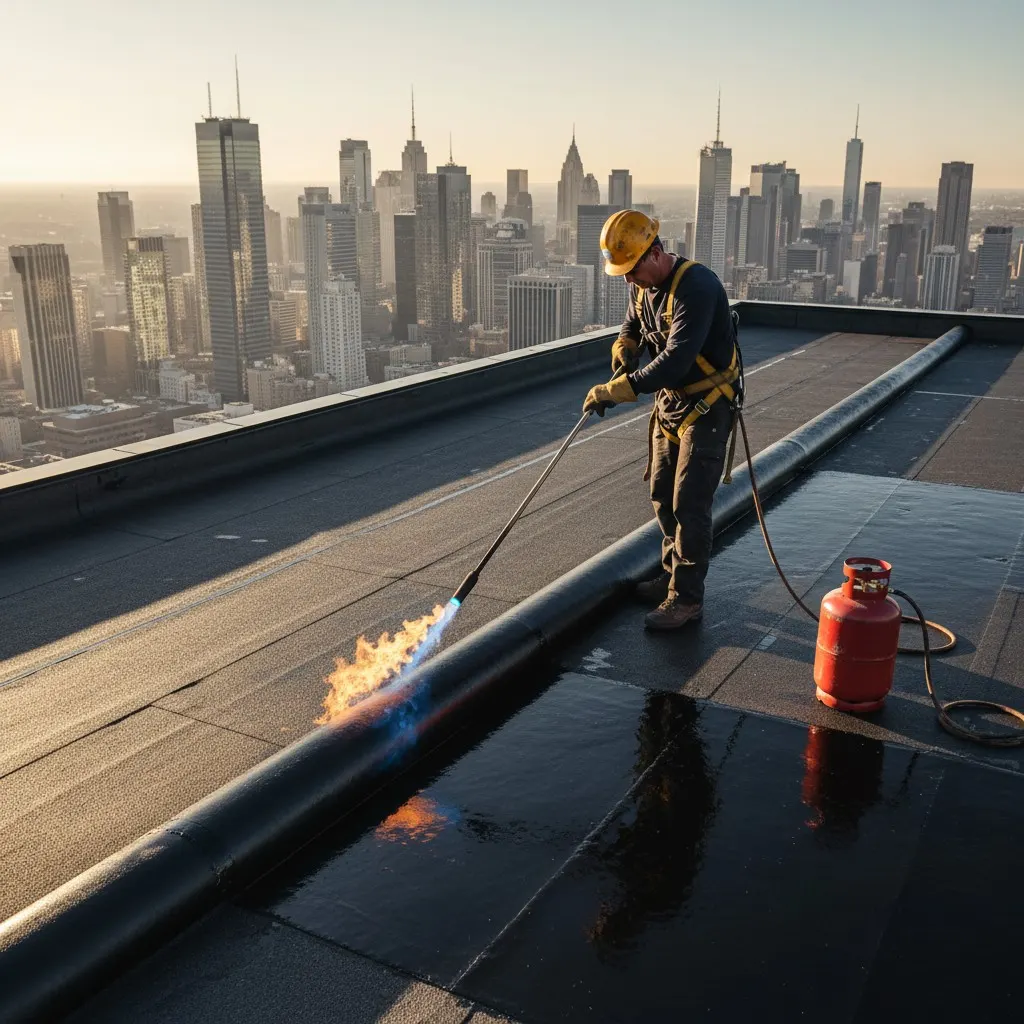
Understanding the Mechanics: Intake Vents, Exhaust Vents, and the Stack Effect
Think of your attic like a set of lungs. If you can’t breathe out, you can’t breathe in, and that is where your roof starts to choke.
To keep your home dry in Eugene, you need a balanced system that relies on two primary components:
- Intake Vents: Usually located at the soffits, these draw cool, fresh air into the attic space.
- Exhaust Vents: Positioned near the peak or ridge of your roof, these allow the warm, moist air to escape.
The magic happens through a physics principle known as the Stack Effect. As air warms up, it naturally rises toward the top of your house.
If your intake and exhaust vents are working in harmony, that warm air carries moisture right out of your home before it can condense on your rafters. It is a simple, constant flow that keeps your decking bone-dry year-round.
When this flow is blocked—perhaps by insulation shoved too far into the eaves or the wrong mix of vent types—the stack effect dies.
You end up with stagnant, humid air trapped against your roof sheathing. That is the exact moment your shingles begin to warp and your wood starts to rot from the inside out.
Why "More is Better" Is a Myth: Balancing Your Attic’s Air Exchange
There is a dangerous misconception among local homeowners that if a little ventilation is good, a mountain of vents must be better. Some folks think that slapping extra intake and exhaust vents on their roof will automatically stop rot in its tracks.
In reality, overloading your attic with vents can actually backfire. You are looking for a precise balance, not a wind tunnel.
When you install too many intake vents without enough exhaust capacity, or vice versa, you disrupt the natural airflow. This imbalance creates stagnant air pockets where moisture settles and settles deep into your roof decking.
Think of it like trying to breathe through a straw while someone holds your nose. You might get air, but it’s a struggle that causes more problems than it solves.
The Golden Ratio of Attic Health
To avoid disaster, you have to follow the specific building codes designed for the Pacific Northwest. An unbalanced system often leads to short-circuiting, where air enters one vent and immediately exits the closest one, leaving the rest of your attic to sweat and decay.
Keep these technical rules in mind to maintain that perfect equilibrium:
- Ensure a 50/50 split between your intake at the eaves and your exhaust near the ridge.
- Avoid mixing different types of exhaust vents, like ridge vents and power fans, on the same roof pitch.
- Always verify that your insulation isn't blocking the airflow at the soffits, which is the most common rookie mistake in Eugene roofing.
When you get the math right, the air moves through your home in a steady, controlled stream. It pulls the damp, heavy air out before it ever gets a chance to turn into mold or mildew. It’s not about how many holes you cut; it’s about mastering the flow.
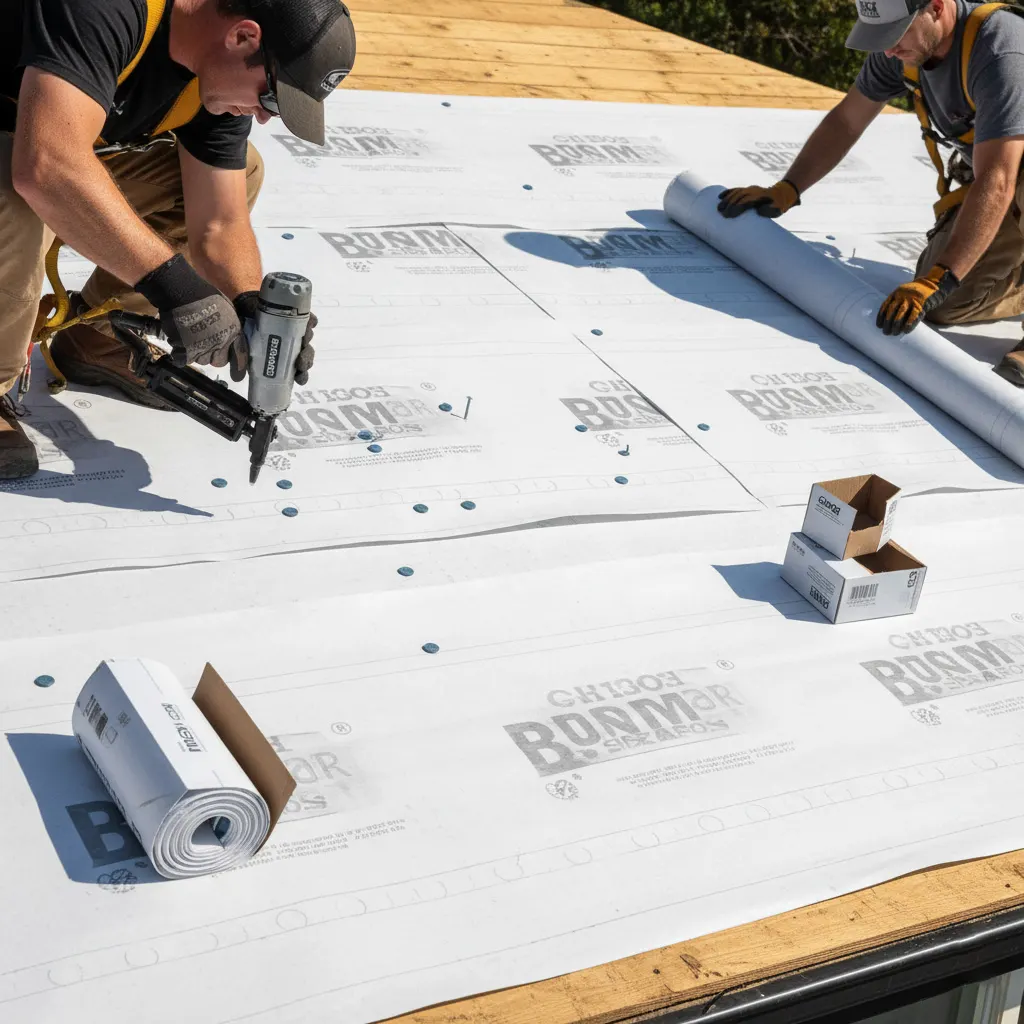
Lessons from the Field: Solving Moisture Buildup in a South Eugene Craftsman
I recently walked into a beautiful South Eugene Craftsman that looked pristine from the curb. Inside the attic, however, it was a different story.
The homeowners had installed modern, airtight windows to save on energy costs, but they completely ignored the roof. The moisture from their daily lives—showers, cooking, and laundry—had nowhere to go.
It was trapped. This created a perfect storm of disaster waiting to happen:
- Dark, fuzzy mold spots clinging to the underside of the roof deck.
- Rust forming on the heads of the roofing nails, which leads to inevitable leaks.
- A damp, musty smell that permeated the entire second floor of the home.
We had to perform an emergency attic surgery to fix the ventilation. The original builder had placed soffit vents, but they were entirely blocked by heavy fiberglass insulation shoved right into the eaves.
The air was stagnant. It wasn't moving, and because it wasn't moving, the plywood was literally beginning to delaminate and sag.
To fix this, we implemented a few aggressive changes:
- Installed baffles to keep the intake vents clear of insulation.
- Upgraded the ridge vent to allow the hot, moist air to escape at the highest point of the roof.
- Installed a smart thermostat-controlled gable fan to force air exchange when temperatures spike.
Within weeks, the humidity levels inside the attic dropped significantly. By solving the airflow restriction, we didn't just stop the mold growth; we added years of life back onto those shingles.
Professional Installation Tactics to Prevent Future Energy Loss and Leaks
You cannot just cut a few holes in your roof and call it a day. In a wet climate like Eugene, amateur ventilation installs are the leading cause of premature water intrusion.
Professional installation requires a calculated approach that respects the integrity of your roof deck. If the flashings aren't perfectly sealed, you are trading a moisture problem for a direct pipeline for rain.
Here is what a top-tier installation looks like when it is done right:
- Precision Flashing: Every vent penetration must be integrated with the underlayment to create a watertight seal.
- Strategic Placement: Exhaust vents should be positioned at the highest point of the roof to maximize the natural exit of rising air.
- Air Chute Installation: We install rigid baffles to ensure the insulation doesn't block the soffit vents, keeping the air path clear at all times.
We often see homes where someone slapped a generic vent on top, only to realize later that it disrupted the shingles' thermal expansion cycle. This leads to buckling and energy loss that stays hidden until your next utility bill arrives.
A true pro understands the thermal envelope of your home. We check for gaps where warm indoor air might leak into the attic, which causes condensation even with perfect venting. Keep the cold air outside and the warm air exactly where it belongs.
Final Words: Protecting Your Investment Through Better Ventilation
Your roof is the most expensive component of your home, and it demands respect. When you neglect proper airflow, you aren't just ignoring a few vents; you are shortening the lifespan of your shingles by years.
It is far cheaper to audit your attic today than to replace a sagging, mold-ridden deck tomorrow. Investing in professional roof ventilation is the ultimate insurance policy for your property in Eugene.
Three Ways to Guard Your Roof
- Inspect your soffit vents to ensure they are not clogged with debris or attic insulation.
- Check for signs of interior humidity, such as peeling paint or damp rafters during the winter months.
- Partner with an expert who understands the unique balance required for our specific Oregon climate.
Do not wait for a major failure to discover your attic is choking. If you want to dive deeper into the technical aspects of airflow, take a look at our Roof Ventilation guide.
Take charge of your home's health before the next heavy rain hits. Proper airflow keeps your roof dry, your energy bills manageable, and your home protected for the long haul.
People Also Ask
Is roof ventilation necessary in Eugene, Oregon?
Yes, effective roof ventilation is critical in the Pacific Northwest due to our high humidity and frequent rainfall. Proper airflow prevents trapped moisture from causing mold, wood rot, and premature deterioration of your shingles.How do I know if my attic has poor ventilation?
Common signs include ice dams during winter, musty odors in your home, or visible water stains on the underside of your roof deck. If your energy bills are unusually high, it may also indicate that trapped heat is forcing your HVAC system to work overtime.Does more roof ventilation always mean better performance?
No, "more is not always better" because an imbalance can disrupt the airflow mechanics of your roof. Proper ventilation requires a specific ratio of intake and exhaust vents to ensure air circulates effectively without creating unwanted pressure zones.What is the best type of roof vent for a rainy climate?
High-quality ridge vents paired with adequate soffit intake vents are generally considered the gold standard for Eugene homes. These systems provide continuous airflow while being strategically designed to prevent wind-driven rain from entering your attic space.Can poor ventilation void my roof warranty?
Many shingle manufacturers require specific ventilation standards to keep your warranty valid. If your roof fails prematurely due to moisture buildup caused by inadequate ventilation, the manufacturer may deny your claim.Need Roofing Services?
We deliver rapid roof repairs and installations throughout Eugene and the surrounding communities to restore your property’s protection. Our team provides fast, reliable roofing services for residents in (97401, 97402, 97403, 97405, 97408).
Request Roofing Estimate