


⚡ TL;DR: Installing proper roof insulation is a practical strategy for Eugene homeowners to improve indoor thermal comfort and manage monthly energy expenses while protecting their home from local humidity.
📋 What You’ll Learn
Discover how upgrading your roof insulation can transform your home’s thermal efficiency, lower monthly utility costs, and combat the unique challenges posed by Eugene’s damp, cool Pacific Northwest climate conditions.
- Understand Eugene’s unique climate impacts on your roof's thermal performance, helping you identify why our frequent rainfall and temperature fluctuations require specialized insulation solutions to maintain indoor comfort.
- Identify hidden signs of insulation failure in your attic, such as ice dams or moisture buildup, which often signal that your home is losing energy and risking structural damage.
- Compare top-rated local insulation materials to determine which options best resist humidity, prevent mold growth, and provide the highest R-value for our specific regional building standards and codes.
- Evaluate the benefits of professional installation by learning how expert application prevents common DIY mistakes, protects your roof deck integrity, and ensures long-term energy savings for your household.
📖 Reading time: 7 min
✍️ Author expertise: Local Eugene roofing contractor with two decades of experience installing energy-efficient insulation systems.
You work hard for your paycheck, yet a massive chunk of it vanishes every month the second the temperature drops in Eugene. It is not your heater failing or your windows leaking; the real culprit is hiding right above your head, bleeding money through an unprotected roof.
Most homeowners in the Willamette Valley ignore their attic insulation until their utility bill hits a breaking point. By then, you have already tossed thousands of dollars out the rafters for heat you never actually got to enjoy.
There is a better way to stop the drain and keep your home comfortable without burning cash. Let’s look at how proper insulation works to trap your heat and why upgrading your roof performance is the smartest move you can make this season.
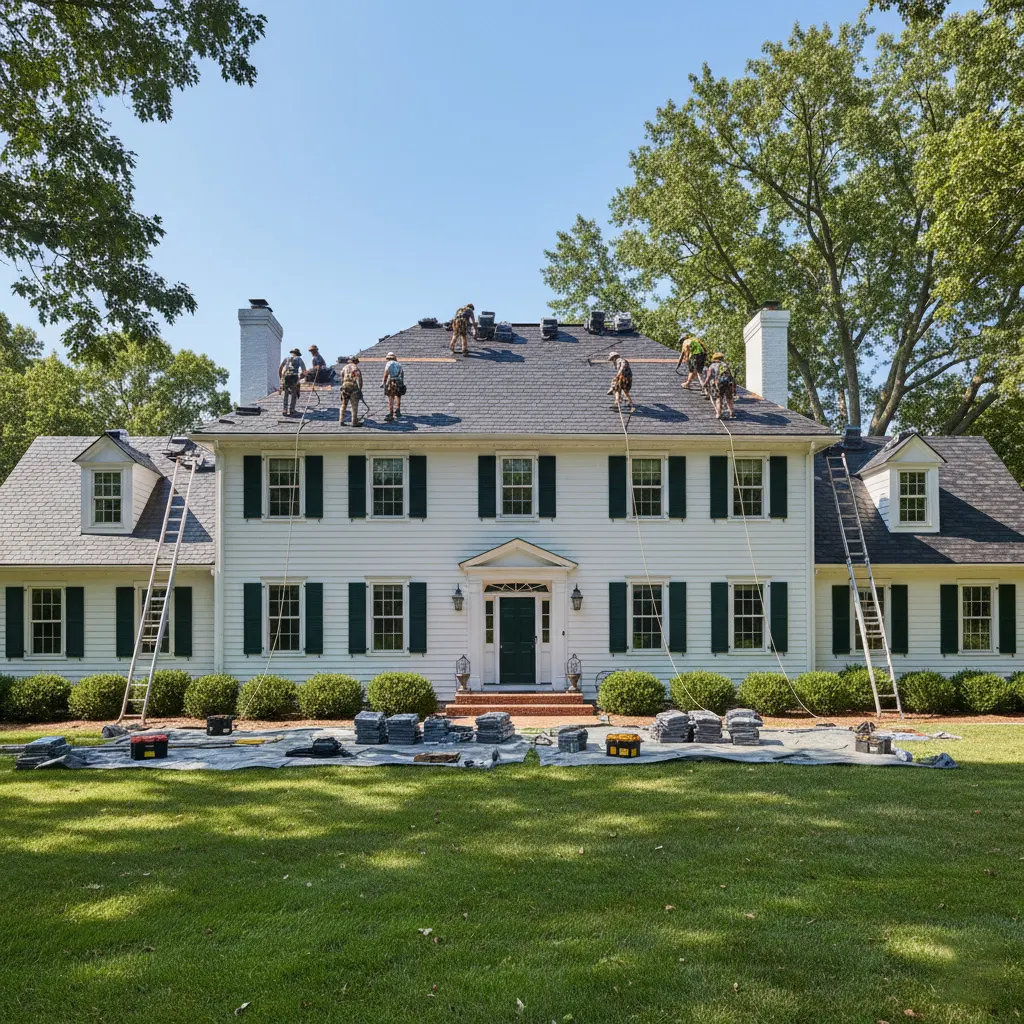
Understanding Eugene’s Climate and Your Roof’s Thermal Performance
Living in the Willamette Valley means dealing with a unique set of weather patterns. We get hit with persistent, damp winters and surprisingly hot, dry summers that put your home’s thermal shell to the test.
Most folks think their roof is just a shield against the rain. In reality, it is a dynamic barrier that should be working round the clock to keep your internal climate stable regardless of what the thermometer says outside.
If your insulation isn't up to the task, your home becomes a leaky sieve. Here is what your roof is actually battling throughout our local seasons:
- Constant Moisture Exposure: The high humidity levels in Eugene can compromise subpar materials, leading to trapped dampness and mold growth.
- Thermal Cycling: Rapid temperature shifts between frosty mornings and sunny afternoons put massive stress on your attic’s ability to retain heat.
- Heat Migration: During the winter, your expensive furnace heat rises straight to the attic. If your insulation is thin or settled, that warmth simply escapes into the night sky.
When you ignore your roof’s thermal performance, you are essentially paying for a heater that warms the neighborhood instead of your living room. Understanding how your home reacts to our specific Oregon climate is the first step toward stopping the waste for good.
The Science of Heat Transfer: How Poor Insulation Steals Your Comfort
Think of your home as a giant thermos. In the winter, you are pumping expensive heat into that thermos, but if your insulation is thin or non-existent, that heat doesn't stay put. It migrates upward, hits your cold roof deck, and escapes into the rainy Eugene night through a process called convection and conduction.
Your roof is basically a one-way ticket for your money. When your insulation fails to create a thermal barrier, your furnace has to run double-time just to maintain a baseline temperature. You are essentially paying to heat the neighborhood trees rather than your own living room.
Heat moves through your home in three specific ways that you need to watch out for:
- Conduction: This is heat traveling directly through solid materials like your rafters or joists.
- Convection: This occurs when warm air rises into your attic, pushing cold air down into your living areas.
- Radiation: This is the sun baking your roof in the summer, turning your attic into a literal oven that radiates heat down into your bedrooms.
If you don't break these cycles, you are trapped in a cycle of high energy bills and constant drafts. Good insulation acts like a wool sweater for your house. It keeps the warmth locked inside where it belongs, effectively slowing down the heat transfer so your HVAC system can take a much-needed break.
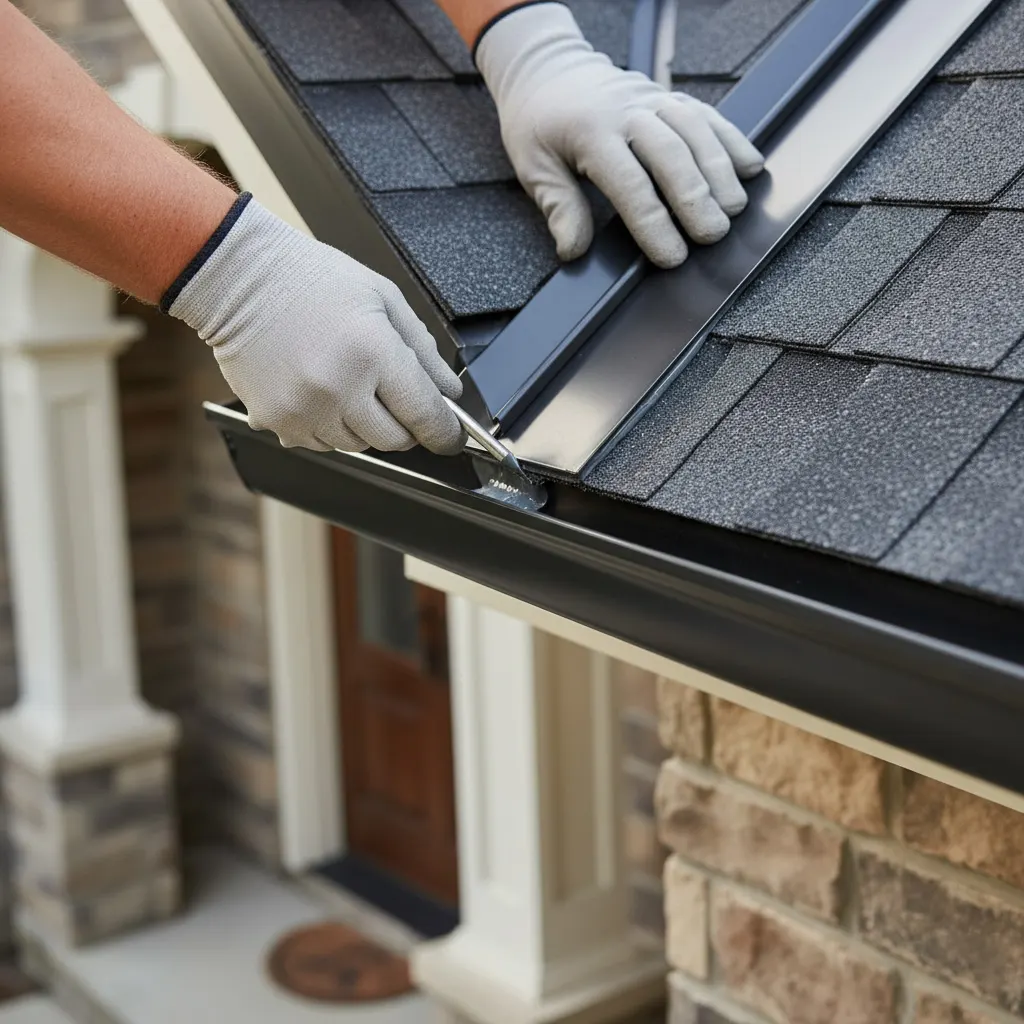
Recognizing the Signs of Inefficient Attic Insulation in Pacific Northwest Homes
Living in the Willamette Valley means dealing with relentless moisture and fluctuating temperatures. When your attic insulation fails, your house starts giving off subtle but expensive warning signals that you should never ignore.
The most common symptom is uneven temperatures between rooms. If your living room is cozy while your bedroom feels like a meat locker, your insulation is likely failing to create a consistent thermal barrier.
Keep a close watch for these telltale signs that your roof is leaking energy:
- Ice dams forming on your eaves during our rare but freezing Eugene cold snaps, which indicates heat escaping through the roof deck.
- Unexplained spikes in your utility bills during months where your thermostat settings haven't changed.
- Presence of mildew or damp spots on your attic rafters, a clear sign that poor insulation is trapping condensation.
- Drafty ceilings that make your furnace work overtime just to keep the air moving.
If you notice your home feels stuffy in the summer or bone-chillingly cold in the winter, the insulation has likely settled, shifted, or become saturated with moisture. Insulation that has lost its loft or fluff cannot trap the air needed to keep your home stable.
Don't wait for a structural failure to take action. Climbing into your attic to check for compressed or thinning material can save you thousands in long-term repairs and wasted energy costs.
Comparing Insulation Materials: Choosing the Best Fit for Our Local Humidity
Choosing the right insulation for a Willamette Valley home is not just about R-value; it is about moisture management. Our climate stays damp for months, meaning your insulation needs to resist mold and rot while keeping your living space warm.
If you pick the wrong material, you are essentially building a giant sponge in your attic. You want materials that provide a thermal barrier without absorbing the atmospheric moisture we experience every winter.
Top Contenders for Eugene Homes
Here is how the most common materials stack up against our persistent Pacific Northwest drizzle:
- Fiberglass Batts: A budget-friendly standard. However, they lose effectiveness if they become damp or compressed over time.
- Blown-in Cellulose: Made from recycled paper treated with borates. It settles well into tight corners but requires a professional vapor barrier to stay dry.
- Spray Foam: The heavy hitter. It expands to seal every crack, creating an airtight seal that moisture simply cannot penetrate.
We often steer clients toward closed-cell spray foam because it acts as both a high-performance insulator and a moisture shield. It does not sag or settle when the air gets thick, making it a permanent fix for long-term comfort.
If you stick with traditional options like mineral wool, ensure your attic ventilation is top-tier. Even the best thermal resistance is useless if the roof deck cannot breathe, leading to trapped condensation and structural decay.

Real-World Results: A Case Study on Eugene Energy Savings After an Attic Retrofit
Consider a typical 1970s split-level home here in Eugene. The owners were tired of paying premium prices for a house that felt like a meat locker in January and a sauna in July.
We performed a thermal audit and found their attic insulation had settled and thinned out over the decades. It was barely covering the joists, leaving massive gaps where heat escaped like a punctured tire.
After we installed high-performance cellulose insulation to meet modern building codes, the transformation was immediate. Here is what the homeowners reported after just one full winter season:
- Monthly utility costs dropped by 28% compared to the previous year.
- The HVAC system stopped cycling constantly, significantly reducing wear and tear on the unit.
- The master bedroom finally maintained a steady temperature without needing a portable space heater.
The numbers do not lie. By keeping the conditioned air inside the living space where it belongs, these residents stopped subsidizing the local power grid. They turned a drafty, expensive money pit into a tight, cost-effective sanctuary.
Professional Installation vs. DIY: Protecting Your Home’s Structural Integrity
When you hand over the reins to a certified roofing crew, you get more than just a bag of fluffy batts. A pros know the *peaks and valleys* of Eugene’s roof deck, ensuring the insulation stays where it belongs and doesn’t settle into gaps that let heat slip away.
What the pros bring to the table
- Precise air‑sealing with spray‑foam or caulk to block drafts before the insulation goes in.
- Correct placement of vapor barriers so moisture doesn’t pool and rot your rafters.
- Engineered fastening systems that keep insulation from sagging over time.
DIY might sound cheap, but a single mistake—like forgetting to seal a vent—or using the wrong R‑value can turn your attic into a heat‑leak machine. That hidden cost shows up on next month’s bill, not on the receipt.
When DIY could work—if you’re cautious
- Only if you have experience with attic ventilation and know local code requirements.
- When you use pre‑cut, foil‑faced batts that fit snugly between joists.
- If you double‑check every seam and edge for gaps.
Bottom line: a professional crew protects your roof’s structure, keeps the warranty intact, and guarantees the insulation performs at its rated efficiency. Cutting corners now means you’ll be paying for repairs—and higher energy bills—later. Choose the right path, and your attic will pay you back in comfort and cash.
Final Words
At the end of the day, your roof is either an investment in your comfort or a sieve for your bank account. Ignoring the state of your attic is the fastest way to invite dry rot, ice dams, and skyrocketing utility costs into your living room.
Upgrading your Roof Insulation is not just a home improvement project. It is a calculated move to reclaim the money currently slipping through your roof deck every single month.
Your Next Step Toward Savings
You have a choice to make today. You can keep paying the local utility company for the privilege of heating the Eugene night air, or you can seal your home and keep that heat where it belongs.
- Inspect your current R-value to see if it meets modern Pacific Northwest standards.
- Seal air leaks around light fixtures and plumbing stacks before adding new insulation.
- Consult with a professional to ensure your attic ventilation remains balanced.
Take charge of your home’s thermal envelope right now. A small, smart investment in high-quality insulation pays for itself through lower bills and a significantly longer lifespan for your roofing system.
People Also Ask
Is roof insulation worth it for homes in Eugene, Oregon?
Yes, roof insulation is highly effective for Eugene homes because it helps regulate indoor temperatures during our damp, chilly winters and increasingly warm summers. By reducing the load on your HVAC system, quality insulation can significantly lower your monthly energy bills.What is the recommended R-value for attic insulation in the Pacific Northwest?
For the climate zone covering Eugene, the U.S. Department of Energy generally recommends an R-value between R-49 and R-60 for attics. Meeting these standards ensures your home remains thermally efficient despite the high humidity and temperature fluctuations common in the Willamette Valley.Can poor roof insulation lead to mold in my Eugene home?
Absolutely. Inadequate insulation allows warm, moist interior air to hit cold roof surfaces, resulting in condensation that fuels mold and mildew growth. Proper insulation acts as a thermal barrier that prevents this moisture buildup and protects your roof decking from rot.Should I prioritize roof insulation or ventilation?
You should prioritize both, as they work as a team to keep your home energy-efficient and structurally sound. While insulation stops heat transfer, proper ventilation exhausts trapped moisture and prevents heat pockets that can cause ice dams in winter or premature shingle wear in summer.How long does professionally installed roof insulation last?
Most high-quality insulation materials, such as blown-in cellulose or fiberglass batts, can last 30 to 50 years if kept dry and undisturbed. Having a professional install it ensures there are no gaps or voids, maximizing the lifespan and performance of the material.Need Roofing Services?
We deliver rapid roof repairs and installations throughout Eugene and the surrounding communities to restore your property’s protection. Our team provides fast, reliable roofing services for residents in (97401, 97402, 97403, 97405, 97408).
Request Roofing Estimate