
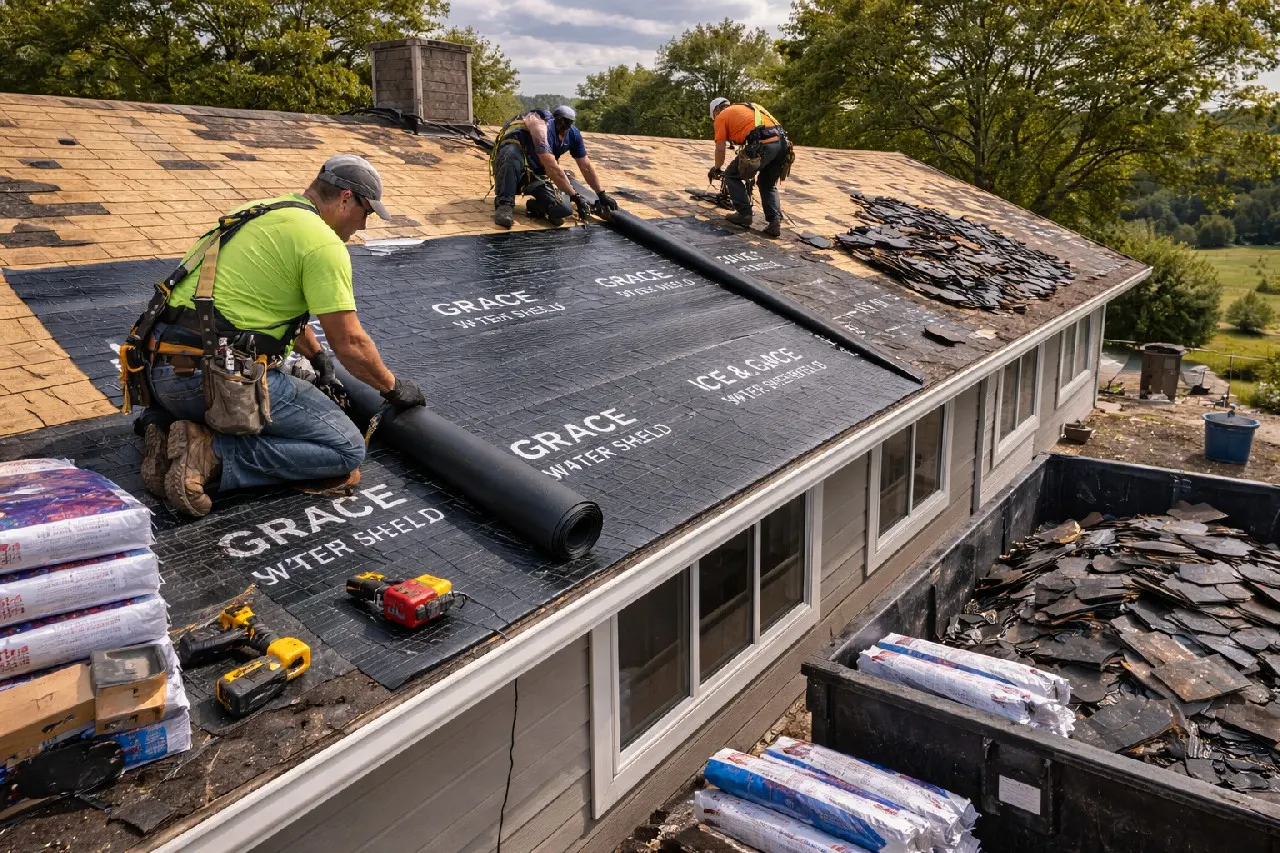


⚡ TL;DR: Regular roof maintenance in Escondido requires addressing local climate challenges and attic ventilation, helping homeowners determine exactly when professional repairs are necessary to extend their roof’s functional lifespan.
📋 What You’ll Learn
Protecting your Escondido home requires more than basic cleaning; you need a strategy tailored to our intense desert sun and local microclimates. Discover the professional techniques that keep local roofs durable.
- Master the local climate challenges by understanding how Escondido's intense UV exposure and extreme temperature shifts accelerate material fatigue and compromise your roof's integrity long before you notice leaks.
- Prioritize essential attic ventilation systems which act as the unsung heroes of your roofing structure, preventing heat buildup and moisture entrapment that often destroy shingles from the inside out.
- Decode the repair versus replace matrix to confidently determine when a minor, targeted patch is sufficient and when a complete restoration is the only way to avoid catastrophic damage.
- Execute vital seasonal maintenance checks that identify minor vulnerabilities early, allowing you to prevent costly structural repairs while extending the functional lifespan of your home’s primary protective barrier.
📖 Reading time: 8 min
✍️ Author expertise: Master roofer in Escondido with two decades of experience repairing North County homes.
Most Escondido homeowners treat their roof like a set-it-and-forget-it appliance, right up until the moment a sudden rainstorm turns their living room into a swimming pool. By then, the damage is done, and the repair bill has already climbed into the thousands.
You might think a quick visual scan from the driveway is enough to keep your home safe from the brutal Southern California sun. The reality is that your roof is likely hiding silent, ticking time bombs that only a seasoned professional knows how to spot.
We are pulling back the curtain on the industry trade secrets that help local roofs survive the intense heat and dry spells. Stick around, because knowing these simple tricks will save you a fortune on premature replacements and keep your peace of mind intact.
The Escondido Climate Challenge: Why Standard Inspections Fail
Living in Escondido means your roof fights a constant, invisible war against extreme temperature swings. A standard visual inspection from your front lawn is useless because it ignores the thermal expansion and contraction that ravages roofing materials every single day.
When the morning starts at 50 degrees and spikes to 95 by noon, your shingles expand and contract violently. This physical stress creates hairline fractures that no homeowner can spot from the ground. By the time you notice a curled edge or a missing shingle, the underlying decking has likely already started to rot.
Standard inspections usually focus on what you can see, but the real trouble starts where you aren't looking. Here is why the basic "look-up" method leaves you vulnerable:
- Thermal Cycling: Constant heat expansion weakens the chemical bonds in asphalt shingles over time.
- Salt Air Intrusion: While we are inland, the marine layer creates enough humidity to feed moss and algae growth in shaded areas.
- Fast-Moving Storms: Our quick, intense rain events expose poor drainage areas that look perfectly fine during a dry, sunny day.
You cannot rely on a casual glance to assess the structural integrity of your home. True professional maintenance requires a tactile, hands-on approach to identify the specific stressors unique to our North County environment.
Identifying Hidden UV Damage and Material Fatigue
The Escondido sun is relentless, and it acts like a slow-motion blowtorch on your roofing materials. Most homeowners look for missing shingles, but pros look for the invisible degradation caused by constant UV exposure. When asphalt shingles bake in our dry heat, the essential oils evaporate, leaving the material brittle and prone to cracking under the slightest pressure.
You need to look past the surface level to spot the signs of failure before they become structural disasters. Here is what professional inspectors look for during a high-heat assessment:
- Granule loss: Check your gutters for a buildup of grit that looks like sand. This is your roof’s protective sunscreen washing away.
- Thermal Shingle Curling: If the edges of your shingles are lifting or clawing upward, the adhesive bond has been fried by years of intense radiation.
- Hairline Cracks: Small, spider-web patterns on shingle surfaces often signal that the underlying mat is failing due to prolonged thermal expansion.
Material fatigue isn’t always obvious to the untrained eye. Often, your roof will look perfectly fine from the sidewalk while the structural integrity is already compromised underneath. If you notice any of these red flags, your roof isn't just aging; it is literally coming apart at the molecular level.

The Pro’s Secret: Why Attic Ventilation is More Important Than Shingles
Here is a cold, hard truth most roofing contractors won't tell you: your shingles aren't the primary victim of the Escondido heat. It is the superheated air trapped in your attic that kills your roof from the inside out.
When your attic cannot breathe, temperatures up there can soar well past 150 degrees. This trapped thermal energy essentially bakes your shingles, causing them to lose their oils, become brittle, and curl up like potato chips long before their time.
Most homeowners obsess over the exterior layer, but the real magic happens in the airflow. If your ridge vents and soffit intakes are blocked or insufficient, you are cooking your roof from the bottom up. Even the most expensive, top-tier shingles will fail prematurely if they are constantly being fried by an unventilated attic furnace.
How to Tell if Your Attic is Suffocating
You do not need a degree in engineering to spot a ventilation crisis. Keep an eye out for these specific red flags:
- Ice-cold air conditioner bills that never seem to drop despite your best efforts.
- The distinct smell of musty, stale air when you pop the hatch to the attic.
- Premature granular loss on shingles located near the ridge line of the roof.
- Visible rust or corrosion on metal fasteners inside the attic space.
If you see these signs, adding more shingles will do absolutely nothing. You have to fix the thermal balance of the home. Proper intake and exhaust systems are the hidden backbone of a long-lasting roof, and honestly, they matter ten times more than the brand of shingle sitting on top.
Case Study: Solving a Chronic Leak in a North County Escondido Neighborhood
I recently visited a charming ranch-style home in the Felicita Park area that had been plagued by recurring ceiling spots for three years. The previous homeowners had three different roofers apply patch jobs and liquid sealants to the visible shingles, yet every time the winter rains hit, the drip returned with a vengeance.
When I crawled into the attic, the source of the agony became immediately clear. It wasn’t a hole in the shingles at all, but a catastrophic failure of the flashing around a secondary plumbing vent that had been improperly installed during a renovation a decade ago.
Because the previous repairs focused on the roof's exterior surface, they completely bypassed the actual culprit. Here is what we found:
- A rusted vent boot that allowed water to track down the rafters.
- Deteriorated shingle underlayment caused by trapped moisture condensation.
- Wood rot hidden deep behind the attic insulation that was invisible from the outside.
We didn't just slap on a new piece of metal; we pulled back the shingles, replaced the rotting plywood decking, and installed a properly integrated flashing system. By shifting the focus from the surface to the structure, we stopped the cycle of leaks for good and saved the owner from replacing a perfectly healthy roof deck.
Essential Seasonal Maintenance Tasks Every Homeowner Must Perform
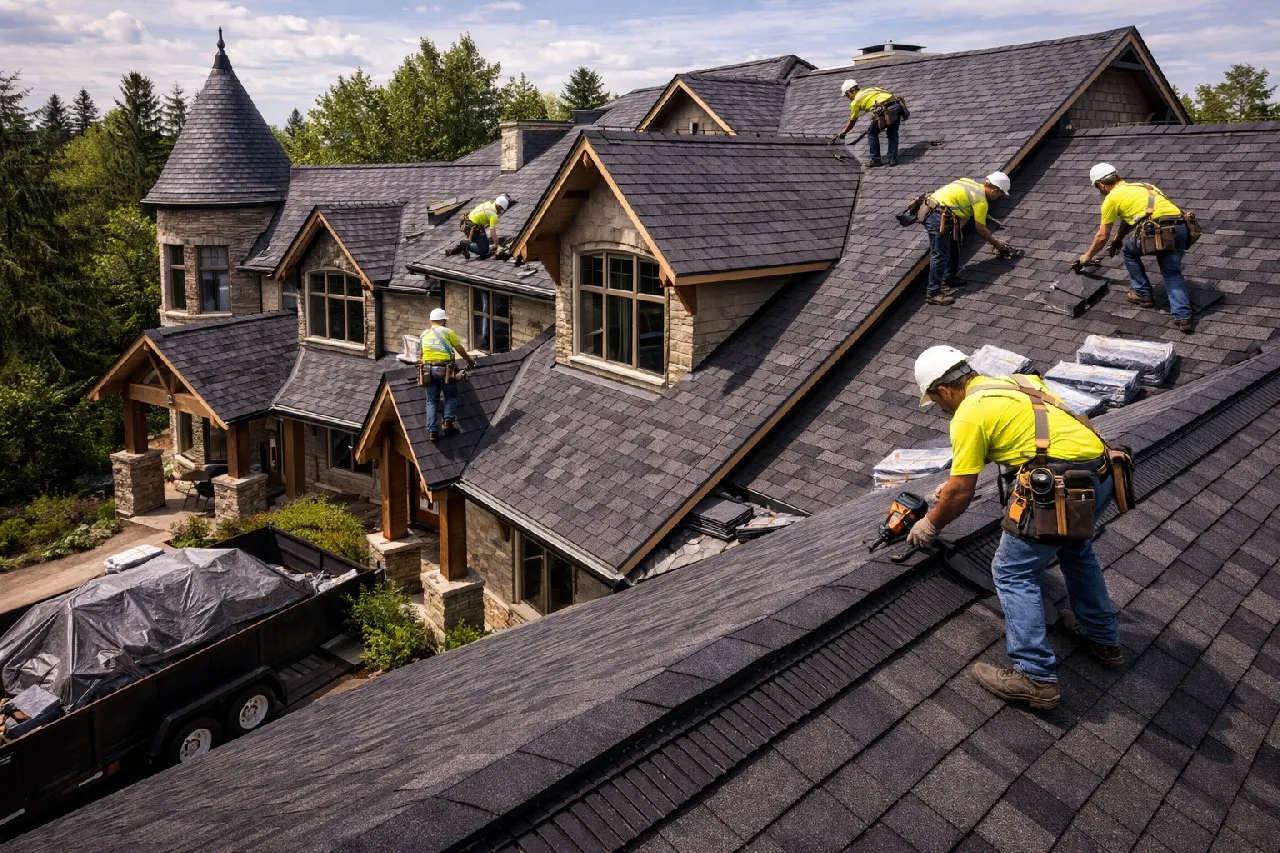
You don't need a degree in engineering to stop a disaster before it starts. Most North County homeowners ignore their roofs until something breaks, but a few minutes of proactive work saves thousands of dollars in the long run.
Focus on these core tasks to keep your home bulletproof against the Escondido heat:
- Clear the Debris: Remove dry leaves and branches from your valleys and gutters. These act like sponges, trapping moisture against your shingles and inviting rot.
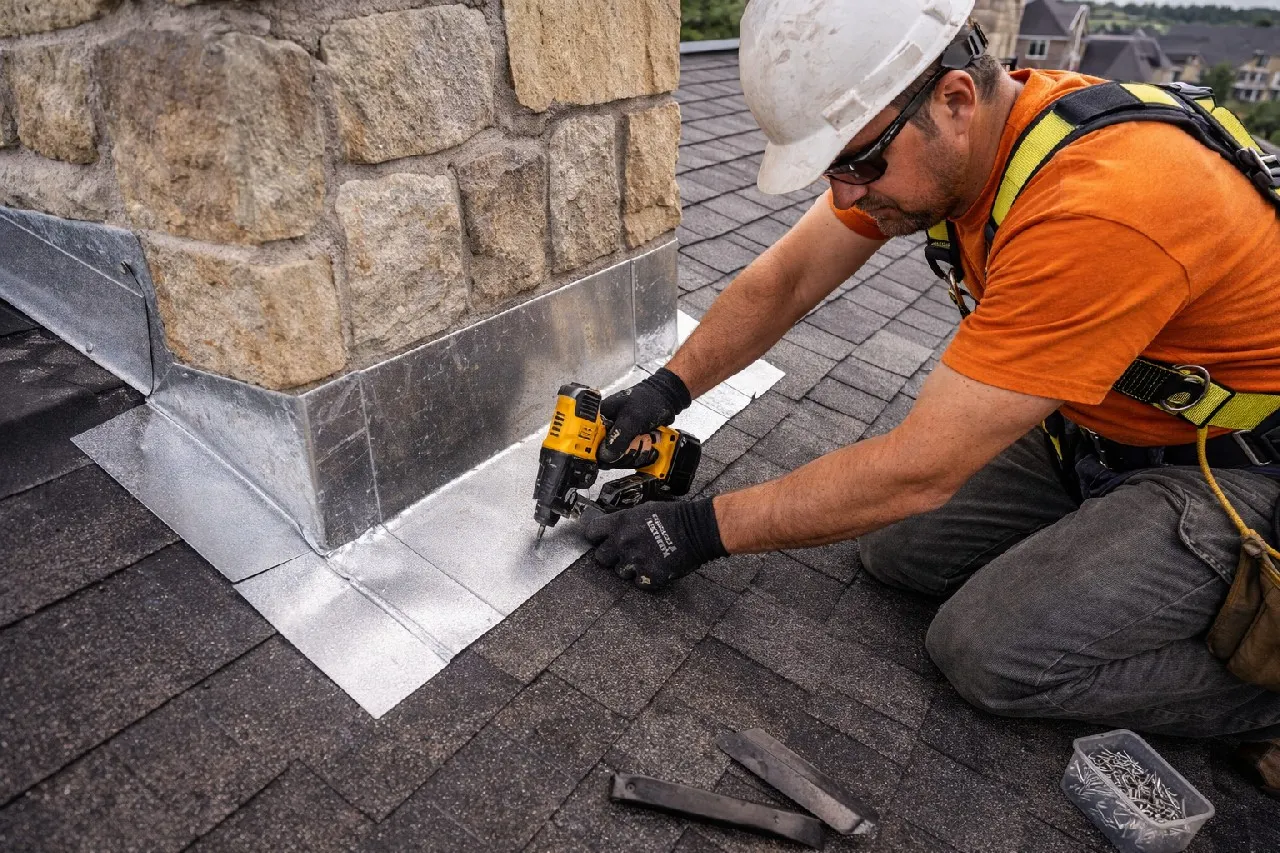
- Check the Flashing: Inspect the metal seals around your chimney and vent pipes. If you see cracks or gaps, caulk them immediately to stop water from sneaking under your roof deck.
- Watch for Granule Loss: If your gutters are filled with sand-like particles, your shingles are literally melting away from UV exposure.
Don't just look up from the street. You need to get close to the materials to see the real story. Use a sturdy ladder, but play it safe and stay off the roof itself if you aren't comfortable with heights.
Check the seals around your plumbing stacks every single spring. These rubber boots dry out and crack faster than the shingles themselves under our intense sun. Replacing a worn-out boot is a twenty-minute DIY project, but ignoring it will rot your roof deck from the inside out.
When to Repair vs. When to Replace: The Professional’s Decision Matrix
Most homeowners panic when they see a loose shingle or a damp spot on the ceiling. They immediately assume they need a complete roof overhaul, which is usually exactly what a dishonest contractor wants to hear.
The truth is, your roof tells a story through its condition. We use a specific decision matrix to determine if you can squeeze another five years out of your current system or if you are simply throwing money into a black hole.
Here is how the pros decide:
- The 30% Rule: If more than 30% of your roofing surface shows severe granular loss or curling, patching is just a band-aid. At this point, the structural integrity of the entire system is compromised.
- Flash Point Analysis: Many leaks aren't caused by the shingles themselves but by failed metal flashing around chimneys and vents. If your shingles are solid but your flashing is rusted, a simple repair can save you thousands.
- The Age Calculation: Asphalt shingles in Escondido typically have a functional life of 15 to 20 years due to the relentless UV exposure. If your roof is past the two-decade mark, minor repairs are rarely cost-effective.
Ultimately, you should choose a repair when the damage is localized and the rest of the roof remains supple and functional. If you notice persistent issues in multiple areas, it is a sign that the entire system has reached the end of its life cycle.
Ignoring these red flags leads to rot in your roof decking, which turns a standard replacement into a structural rebuild. Don't wait for a major failure to make the call. If you have any doubt, get a non-biased inspection that focuses on longevity rather than a quick sale.
Final Words
At the end of the day, your roof is the only thing standing between your family and the unpredictable Escondido elements. Waiting for a leak to appear is a losing strategy that hits your wallet hard.
Consistent Roof Maintenance isn't just a suggestion; it is the single best way to extend the lifespan of your investment. You don't need to be a contractor to catch the red flags before they spiral into a crisis.
Keep these priorities at the top of your list to avoid common pitfalls:
- Inspect your attic for daylight peeking through the rafters.
- Clear out debris from valleys to prevent water from backing up.
- Check your flashing around chimneys and vents for hairline cracks.
- Clear gutters regularly to keep moisture away from your roof edge.
If you feel unsure about what you are seeing up there, call a local pro. A quick inspection today costs pennies compared to the massive expense of replacing a roof that was neglected for too long.
People Also Ask
How often should I have my roof inspected in Escondido?
In the Escondido climate, it is recommended to have a professional inspection at least once a year. Because of our intense heat and dry conditions, catching minor UV degradation early can save you from premature roof replacement.Does the Escondido sun really damage roofing materials?
Yes, prolonged exposure to UV radiation causes asphalt shingles to lose their protective granules and become brittle. This process, known as thermal fatigue, weakens the structural integrity of your roof long before its intended lifespan ends.Why is attic ventilation critical for North County homes?
Proper attic ventilation prevents trapped heat and moisture from cooking your shingles from the underside. Without it, your shingles will curl and crack prematurely, regardless of how high-quality the initial installation was.What is the most common sign of roof failure in Escondido?
The most common signs are granule loss in gutters, curling shingle edges, and interior water stains near attic vents. If you notice these issues, it is essential to have a professional evaluate the ventilation and sealants immediately.Should I repair or replace my roof if I find a leak?
Small, localized leaks can often be repaired if the surrounding material is still in good condition. However, if your roof is over 15-20 years old and showing signs of widespread material fatigue, a full replacement is often the more cost-effective long-term investment.Need Roofing Services?
We provide prompt roofing installations and repairs in Escondido, CA and nearby areas (92025, 92026, 92027, 92029), delivering lasting protection that secures properties efficiently.
Get Roofing Estimate