
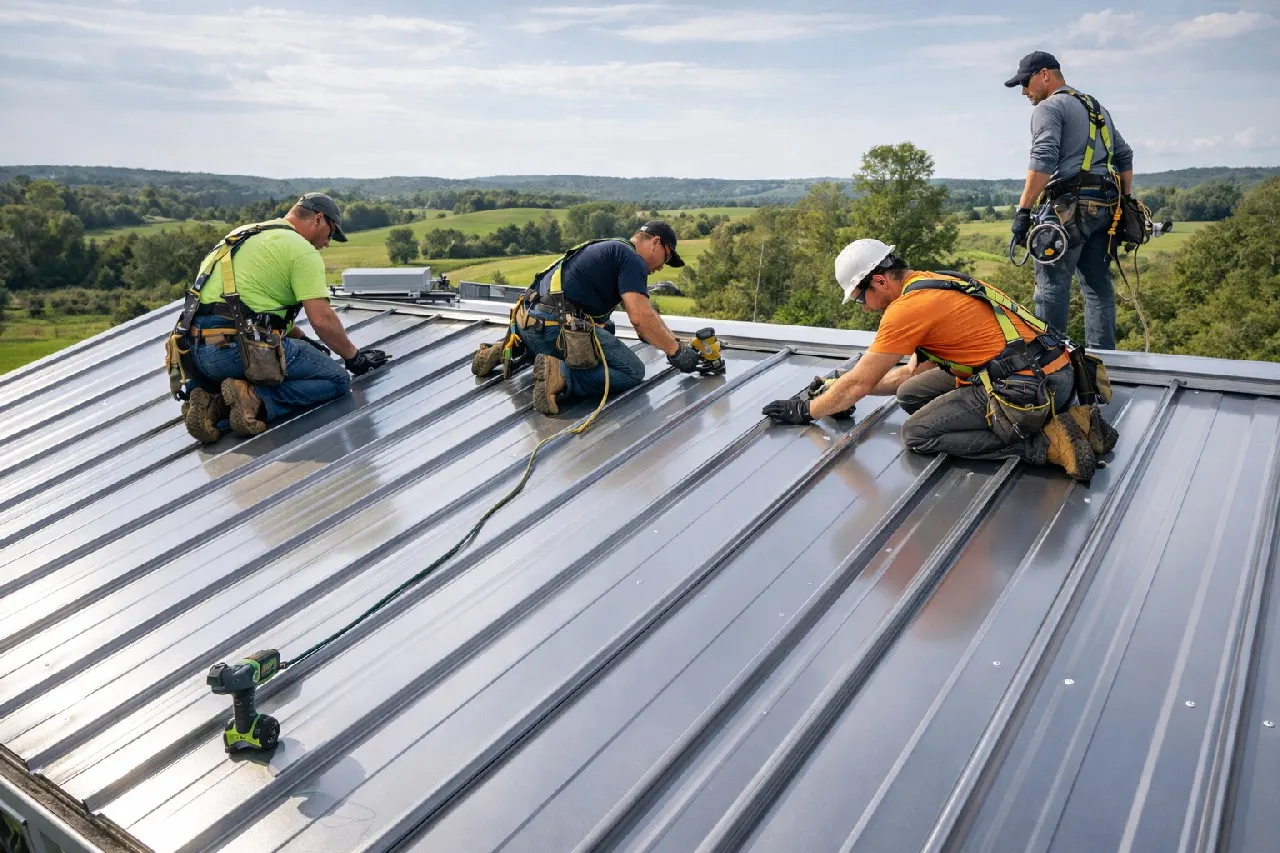


⚡ TL;DR: This guide offers a step-by-step roof inspection checklist for Des Moines storms, covering safety, damage signs, attic checks, and tips for calling local pros.
📋 What You’ll Learn
In this Roof Inspection Checklist for Des Moines Storms, you’ll learn how to safely assess hail dents, wind damage, leaks, and structural issues after Iowa’s severe weather hits your home.
- Master safety essentials first with gear like harnesses, ladders, and weather checks to inspect Des Moines roofs without risking falls or injuries during post-storm evaluations.
- Spot ground-level red flags including granule loss, sagging gutters, and debris buildup that signal hidden roof problems before climbing, saving time and danger.
- Identify shingle and surface damage from hail impacts, missing tabs, cracks, and wind-lifted edges common in Iowa storms for early repair detection.
- Check flashings, vents, and gutters for seals, clogs, rust, and gaps that let water infiltrate during heavy Des Moines rains and high winds.
- Scan attics for interior clues like water stains, mold, soft spots, and insulation damage revealing leaks and structural weaknesses from recent storms.
📖 Reading time: 7 min
✍️ Author expertise: Des Moines roofer with 20 years of field inspections on storm-hit Iowa homes.
Last night's thunderstorm ripped through Des Moines like a bull in a china shop, leaving hail dents and wind-whipped shingles in its wake. You're out there this morning, ladder in hand, heart pounding as you climb up to check the damage. One missed shingle could mean leaks that turn your attic into a swimming pool by next rain.
We've seen it a hundred times: homeowners ignoring small cracks until the next twister hits and the repair bill skyrockets into five figures. That's why this roof inspection checklist is your secret weapon against Iowa's brutal weather. It cuts straight to what matters most after a storm.
Grab a flashlight, notepad, and follow these battle-tested steps to uncover hidden threats before they blow up your budget. Your roof will thank you – and so will your insurance agent.
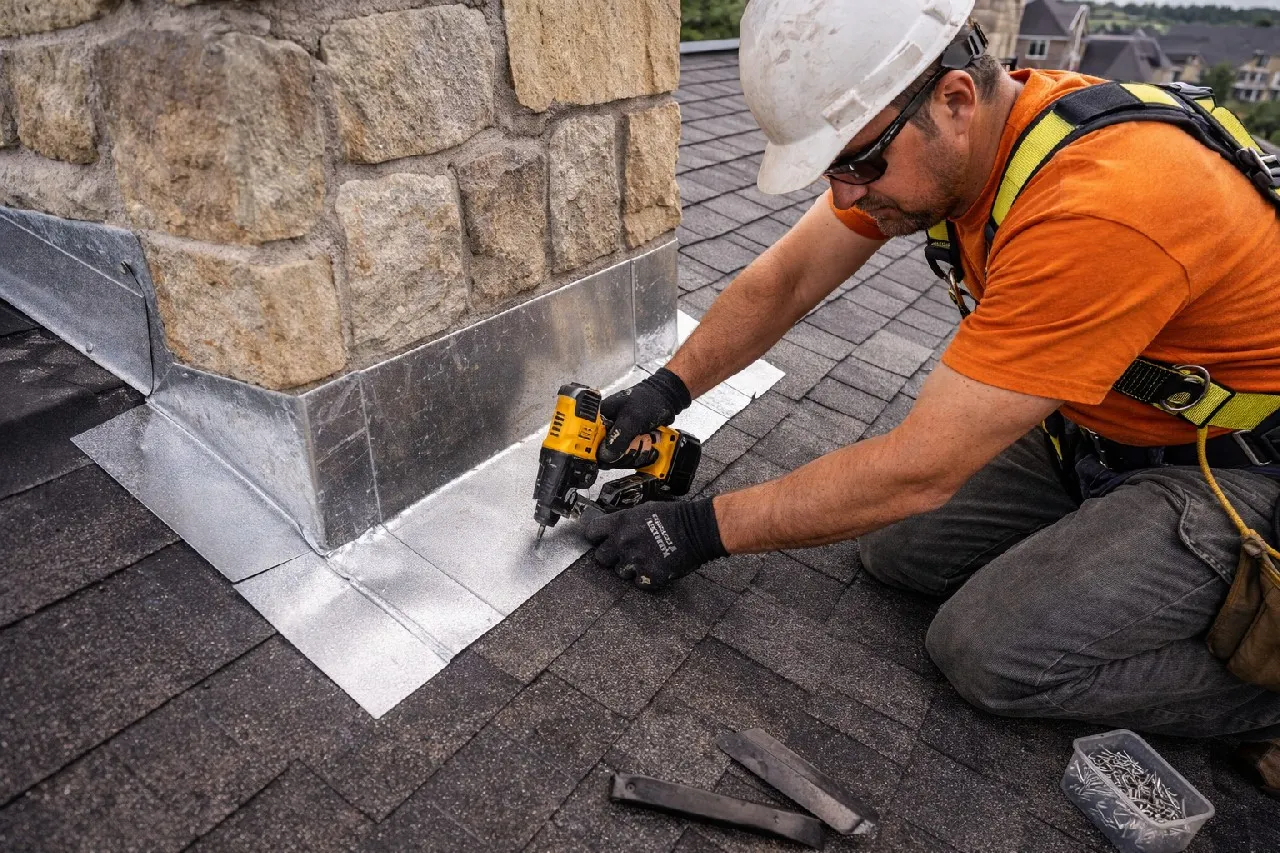
Safety First: Essential Gear and Precautions for Des Moines Roof Checks
Before your boots hit the first rung, gear up right. One slip on wet shingles after a Des Moines downpour, and you're looking at broken bones or worse. Skip this step, and your roof check turns into a hospital visit.
Grab This Gear Now
- Sturdy extension ladder rated for your weight plus tools – test it on flat ground first.
- Non-slip work boots with thick soles to grip hail-slick surfaces.
- Heavy-duty gloves to shield hands from sharp edges and debris.
- Full-body harness with rope tied to a secure anchor point below.
- Hard hat, safety glasses, and a charged flashlight for those shady spots.
Weather waits for no one, but you should. Check the forecast – no climbing in wind over 15 mph or lingering rain. Tell a buddy your plan and expected return time; solo inspections after Iowa storms are a bad bet.
Quick Precautions That Save Lives
- Place ladder on solid, level ground at a 4:1 angle (four feet out for every 12 feet up).
- Never straddle the ridge – stay low and move deliberate.
- Watch for power lines, weak spots from storm damage, and loose granules underfoot.
Ground-Level Inspection: What to Look for Before Climbing
Stop right there. Before your boots hit the ladder, circle your house like a hawk eyeing dinner. This quick scan from the yard spots 80% of storm damage without risking a slip on wet shingles.
Scan the Gutters and Downspouts
Peek at your gutters first. Hail chunks trapped inside scream recent pounding from Des Moines skies.
- Crushed or bent sections? Wind lifted them loose.
- Granules piling up like black sand? Your shingles are shedding faster than a dog in summer.
- Downspouts clogged or dented? Water backs up, rotting your fascia boards.
Grab a broom. Poke around safely. Missing this means leaks sneak in unnoticed.
Check the Ground and Siding Clues
Look down next. Hailstones the size of golf balls litter your lawn? Your roof took the brunt.
Siding ripped or punctured? That's wind shear from Iowa derechos clawing at your home's edges. Photograph it all for insurance claims later.
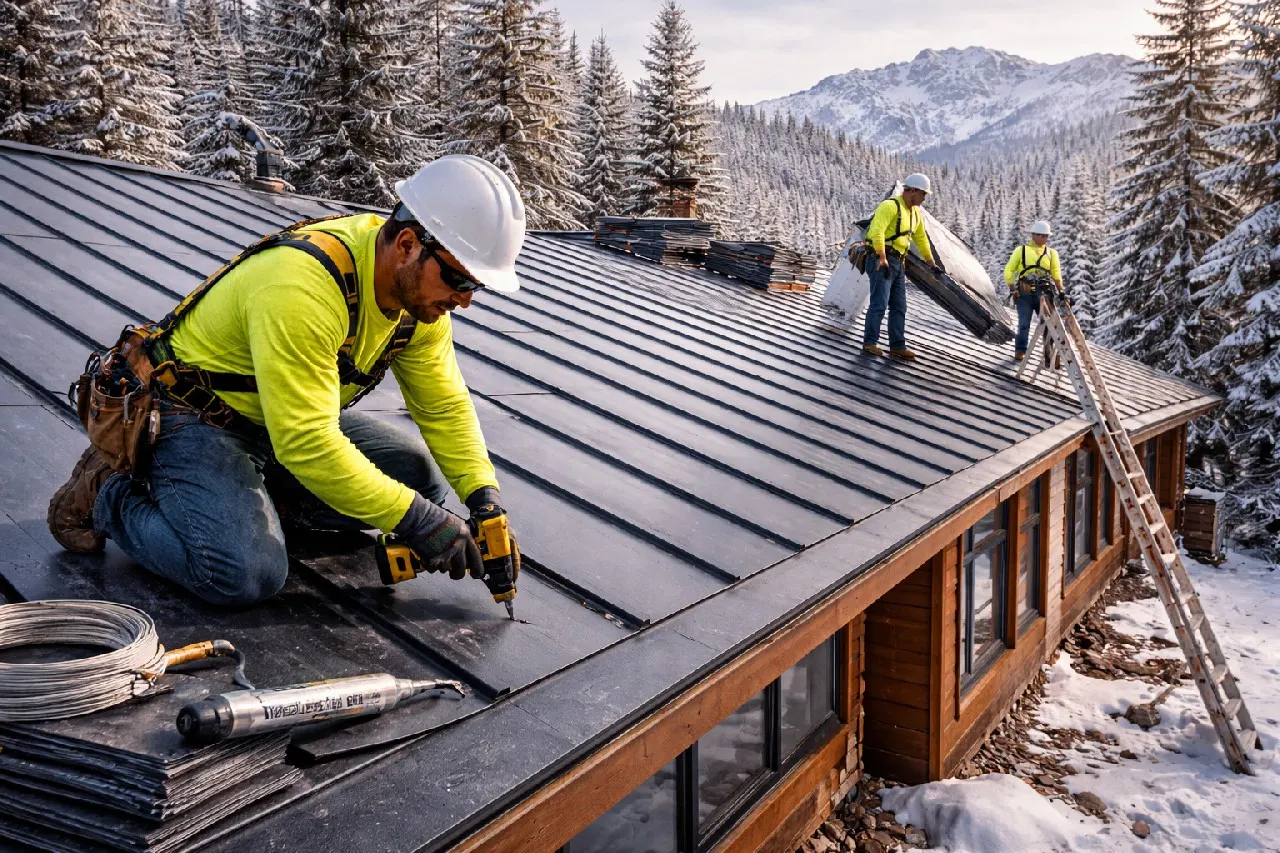
Shingle and Surface Damage: Hail Dents, Missing Pieces, and Wind Tears
Up on the roof now? Start with the shingles. Those hailstones from Des Moines storms pack a punch like golf balls, leaving bruised dents you can feel with your fingers.
Run your hand over the surface. If granules crunch off like stepping on dry leaves, wind or hail stripped your protection. Bare spots mean water's sneaking in fast.
Hail Damage Red Flags
- Dents or cracks in asphalt shingles – press gently; soft spots signal trouble.
- Granule loss in streaks – check valleys and ridges where hail hits hardest.
- Random pitting like a beaten-up car hood after a rock storm.
Missing pieces scream urgency. Count the gaps along ridges and edges. Wind gusts over 60 mph in Iowa rip them clean off, exposing your decking to rot.
Tears from flying debris? Look for lifted tabs or splits. One small rip spreads in the next blow – tape it temporarily, but call pros before rain hits.
Critical Flashings, Vents, and Gutters: Sealing Out Iowa's Storms
Storms in Des Moines don't mess around with your roof's weak spots. Flashings around chimneys, skylights, and valleys take the brunt. One lifted edge lets water sneak in like a thief.
Check Flashings First
- Look for cracks or rust eating away at metal pieces.
- Pull gently on edges. If they lift, wind has compromised the seal.
- Spot any gaps? Seal 'em quick with roofing caulk before the next downpour.
Vents keep your attic breathing. Hail can dent them. Wind rips off covers.
Inspect Vents and Gutters
- Clear debris from ridge vents and turbine vents. Clogs trap moisture.
- Shake screens for tears. Bugs and critters love damaged spots.
- Trace gutters end-to-end. Bent sections or loose hangers mean overflow chaos.
These spots leak silently after storms. Fix now. Save thousands later.

Interior Attic Scan: Detecting Hidden Leaks and Structural Issues
Storms hit your roof hard, but the real damage hides inside. Head to your attic with that flashlight. One dark corner leak can rot rafters before you blink.
Spot the Sneaky Signs
- Water stains on rafters or ceiling joists – brown streaks scream past leaks.
- Mold patches or musty odors that hit you like a wet sock.
- Soft, punky wood on beams – poke it. If it crumbles, call us now.
Push insulation aside. Look for daylight through cracks or sagging spots. Those mean wind lifted shingles, letting rain sneak in.
Grab a moisture meter if you have one. Readings over 20% spell trouble. Snap photos – insurance loves proof.
Case Study: How We Saved a West Des Moines Roof After a Hailstorm
Picture this: Mike in West Des Moines wakes up to golf-ball-sized hail pummeling his 15-year-old asphalt roof last June. He followed our ground-level checklist first. Spotted granule loss everywhere and a few loose shingles flapping in the breeze.
We climbed up next. Hail had punched dozens of softball-sized bruises into the shingles. But the real killer? Cracked flashings around the chimney letting water seep in.
What We Uncovered (And Fixed Fast)
- Shingle damage: 40% compromised – replaced under insurance with impact-resistant upgrades.
- Flashing failure: Rerouted and sealed to stop future leaks.
- Attic red flags: Early mold from hidden drips; dried out and vented properly.
Mike's bill? Zero out-of-pocket. Full replacement covered because we documented every dent with photos and our checklist notes. His new roof laughs at Iowa hail now.
Final Words: Next Steps and When to Call Local Pros
You've scanned the roof. Jotted notes on every dent and tear. Now act fast before the next storm hits.
Patch what you can today. Clear debris from gutters. Tape loose shingles temporarily with roofing cement. But skip the hero stuff if damage looks widespread.
Red Flags Screaming "Call Us Now"
- Granules clogging gutters like sand in your shoes after the beach.
- Soft spots underfoot or water stains in the attic.
- Missing chunks bigger than a fist, especially around edges.
These mean trouble brewing. One ignored hail punch can snowball into thousands in repairs.
Grab your phone. Snap photos of everything for insurance. Then hit up Des Moines pros who've battled Iowa hail for decades.
For deeper dives into spotting storm scars early, swing by our Roof Inspection hub. Don't wait. Roofs don't forgive delays.
People Also Ask
How often should I inspect my roof after a storm in Des Moines?
Inspect your roof immediately after severe storms like hail or high winds common in Des Moines, and then every six months for ongoing maintenance. Early detection prevents minor issues from becoming costly repairs. Schedule professional inspections annually or after any major weather event to ensure longevity. Authoritative guidance: moisture control.
What are the common signs of hail damage on a Des Moines roof?
Look for dents, cracks, or bruising on asphalt shingles, especially gravel-like granules in gutters indicating hail impact. Hailstones in Iowa storms can leave subtle marks that worsen over time, leading to leaks. A close visual check from the ground often reveals these before water intrusion occurs.
Can I safely inspect my roof myself after a Des Moines storm?
Yes, start with a ground-level and interior attic check using safety gear like sturdy ladders and non-slip shoes, but avoid climbing if the roof is steep or damaged. Document any issues with photos for insurance claims. For thorough assessments, especially post-hail, call local pros to prevent accidents.
When should I call a professional roofer in Des Moines after a storm?
Contact experts immediately if you spot missing shingles, large cracks, or interior water stains after storms. Delaying can lead to mold, structural damage, or voided insurance coverage in Iowa's variable weather. West Des Moines roofing companies offer free inspections to accurately assess storm impacts.
How do I prepare my roof for Des Moines storm season inspections?
Clear gutters and trim overhanging branches before inspections to spot issues easily. Gather tools like binoculars, flashlights, and a checklist tailored to hail and wind damage. Regular prep ensures your roof withstands Iowa's severe weather and maintains warranty compliance.
Need Roofing Services?
Swift roof repairs and replacements in Des Moines, IA and nearby areas protect your home from leaks and weather fast. (50309, 50310, 50315, 50317, 50266)
Get Roof Estimate