


⚡ TL;DR: Discover seven hidden roof installation secrets Denton pros often overlook, like deck inspections, synthetic underlayment, and wind-resistant nailing, to safeguard your home with a practical checklist.
📋 What You’ll Learn
Unlock the 7 roof installation secrets Denton pros keep hidden, from critical inspections to wind-resistant techniques, empowering you to demand top-quality work and avoid Texas weather pitfalls.
- Uncover rushed deck inspections that pros often skip, revealing rot or weakness before shingles go on, preventing premature roof failure and costly full replacements in Denton homes.
- Discover synthetic underlayment advantages over outdated felt, offering superior moisture protection and durability against heavy Texas rains for longer-lasting roof performance.
- Master ice & water shield placement and flashing secrets tailored for hail season, ensuring leak-proof barriers that safeguard your home during intense North Texas storms.
- Learn 6-nail shingle patterns for ultimate wind resistance, a pro technique that secures roofs against gusty Texas winds and high-velocity hail impacts effectively.
- Apply case study insights from a Denton home saved by secrets #6 & #7, plus a checklist to vet contractors and secure your investment confidently.
📖 Reading time: 7 min
✍️ Author expertise: Denton, TX roofing pro with 18 years of hands-on installs battling local storms.
Ever handed over a fat check to a Denton roofer, only to watch your new shingles peel off in the next hail storm?
That's no accident. Local pros pocket extra cash by burying simple tricks that make roofs last decades, not dog years.
Today, I'm blowing the lid off their seven biggest secrets – straight from the trenches of Denton roof installs.
Keep reading to arm yourself before you sign that next contract.

Secret #1: The Deck Inspection Denton Roofers Rush Through
Picture this: your roofer slaps new shingles on a rotting deck. Boom. Leaks start day one. Denton crews cut corners here to shave hours off the job and boost profits.
They skip pulling back old layers to check plywood for soft spots, rot, or warped boards. A solid deck handles Texas hail and wind. Skip it, and your roof fails fast.
Spot a Rushed Deck Check Yourself
- Probe edges with a screwdriver. It sinks in? Rot city.
- Look for dark stains or buckling under shingles. Water damage alert.
- Insist on photos before and after any deck work. No proof? Walk away.
Demand a full deck report in writing. Good Denton roofers do this without blinking. It saves your wallet from a tear-off redo in two years.
Secret #2: Synthetic Underlayment – Why Felt Is a Rip-Off
Old-school roofers in Denton push felt underlayment because it's cheap and they've always used it. But here's the kicker: felt soaks up water like a sponge, turning your roof deck into a mold factory during our humid Texas summers.
Synthetic underlayment flips that script. It's waterproof, not water-resistant. No swelling. No rot.
Quick Comparison: Felt vs. Synthetic
- Felt: Tears during install, weighs a ton when wet (hello, back injuries and weak spots).
- Synthetic: Slips like silk over shingles, grips tight, and breathes to dump moisture vapor.
- Felt: Lasts maybe 5 years before crumbling.
- Synthetic: Warranties hit 20+ years, shrugs off hail like it's nothing.
Push back on that "standard felt" line from your roofer. Demand synthetic – brands like Titanium PSU30 or GAF GlideGuard. It costs a bit more upfront, but saves you a full re-roof in five years flat.

Secret #3: Ice & Water Shield Placement for Hail Season Survival
Hail pounds Denton roofs every spring. Most roofers slap ice and water shield only along eaves. Big mistake. That leaves valleys and penetrations wide open to cracks.
Smart installs extend it everywhere hail hits hardest. Cover all valleys fully. Run it up walls at least 24 inches. Tuck it under drip edges too.
Placement Checklist That Wins:
- Full valley coverage: 36 inches wide minimum.
- Chimney saddles: Seal the entire base.
- HVAC curbs: Wrap sides and top edges.
- Bonus: Rake edges in high-wind zones.
This shield grips like glue under hail impacts. Leaks? Forget about them. Your roof shrugs off golf-ball-sized chunks without flinching.
Secret #4: Flashing Techniques That Stop Leaks Cold
Flashing sits at the heart of any solid Denton roof. It's that metal shield where your roof meets walls, chimneys, or valleys. Skip it right, and water sneaks in like a thief.
Cheap crews slap it on haphazardly. They use basic aluminum strips bent once. Result? Leaks pop up after the first heavy rain.
Pro Flashing Moves Denton Guys Swear By
- Step flashing on sidewalls: Layer short metal pieces under each shingle course. Locks water out for good.
- Double-layered valleys: Run ice-and-water shield first, top with woven metal. Hail bounces off; no pooling.
- Chimney cricket: Build a mini-diverter behind the stack. Directs runoff away, dodging Texas downpours.
Here's the kicker. Insist on counter-flashing over the base layers. It seals gaps forever. Your roof stays dry through storm season.
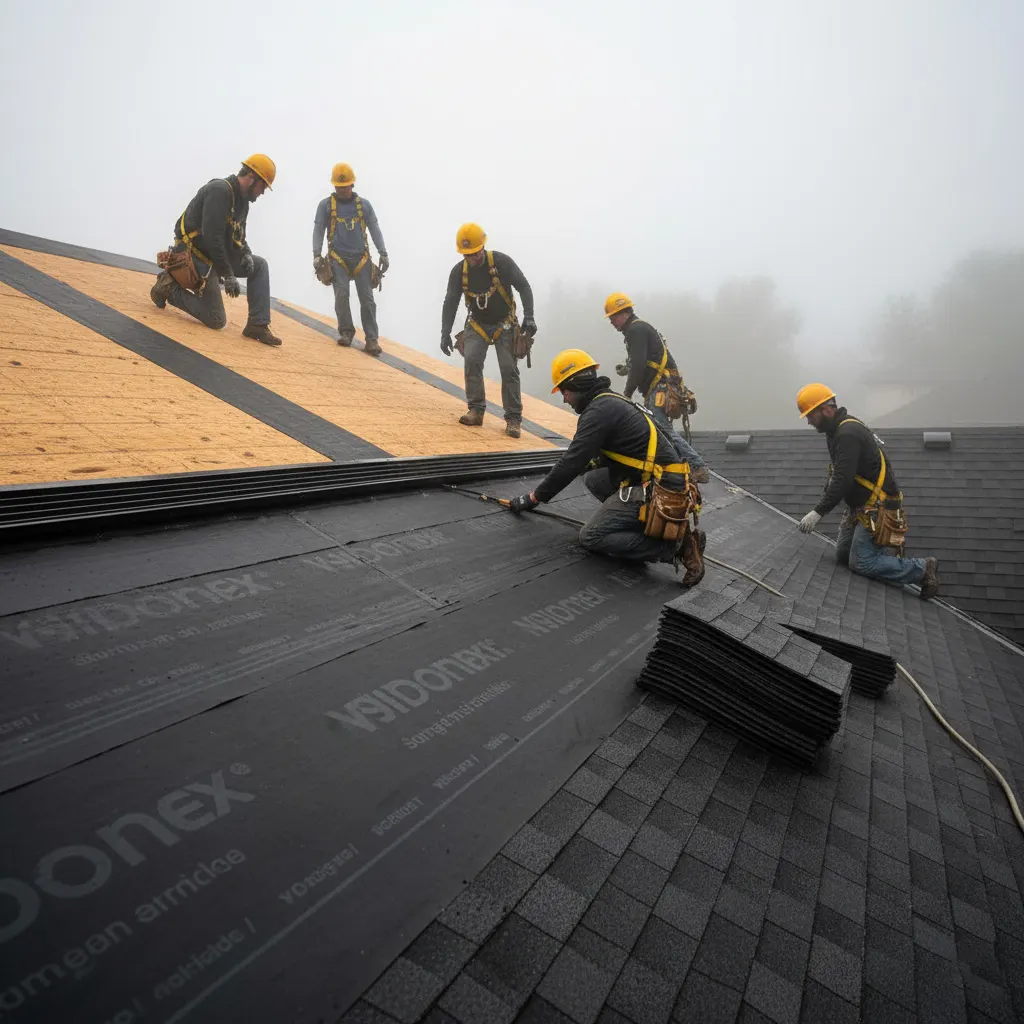
Secret #5: 6-Nail Shingle Patterns for Texas Wind Resistance
Texas winds don't mess around. Standard four-nail shingle installs? They fly off at 90 mph gusts. Denton roofs need the 6-nail pattern to laugh at those blasts.
Here's the trick pros skip telling you. Drive nails into the top two-thirds of each shingle. Hit six spots per shingle: four in the main field, two extra up top. This locks them down like a vault.
Why It Crushes Standard Nailing
- Boosts uplift resistance by 50% in wind tunnels.
- Meets Texas' 110 mph code without whining.
- No more shingles curling at edges during northerlies.
One Denton storm ripped a neighbor's four-nailed roof clean. Ours? Not a flutter. Demand this pattern, or walk.
Denton Case Study: Secrets #6 & #7 Save a Family Home from Collapse
Picture this: Last summer's brutal Denton windstorm flattened a neighbor's roof two blocks over. Trusses snapped like twigs. The Smith family stared at their sagging ceiling, praying their two-year-old install wouldn't be next.
Our crew tore it open for inspection. What we found? Zero truss clips. No ridge venting. Straight-up disasters waiting to happen.
Secret #6: Hurricane Clips on Every Truss End
Most Denton roofers skip these $2 clips to save 30 minutes per job. They bolt rafters to walls, killing wind uplift that rips roofs off in 70mph gusts.
- Install on all eight exterior trusses.
- Use 10d nails, not staples.
- Cost: $50 total. Value: Your house stays put.
Secret #7: Baffled Ridge Vents to Crush Uplift Pressure
Foggy attics build deadly pressure in storms. Smart installs add baffles under continuous ridge vents, sucking air out fast.
Smiths got both secrets. Their roof shrugged off 80mph winds next storm. No damage. Family slept sound.
Final Words: Your 7-Secret Checklist Before Signing.
Before you slap your name on that dotted line, run through this dead-simple checklist. It'll spot the Denton roofers cutting corners. Miss one, and you're funding their next vacation.
Print it. Pin it. Guard it like gold.
- Deck inspection: Demand photos of every joist. No rot? Good. Hidden cracks mean future falls.
- Synthetic underlayment: Felt's trash in Texas rain. Insist on it, or walk.
- Ice & water shield: Full eaves-to-ridge coverage. Hail eats cheap half-measures.
- Flashing done right: Step, valley, pipe boots. Leaks love lazy bends.
- 6-nail wind pattern: Every shingle. Texas gusts laugh at 4-nail jobs.
- Ventilation overhaul: Case study proved it – blocked soffits doomed that family home. Check attic flow first.
- Ridge cap seal: Secrets #7 nailed it shut. No gaps, no wind lift-off.
Hand this to your roofer. See them sweat? Hire 'em. For more on nailing roof installation right, hit our guides. Your house thanks you.
People Also Ask
What are common roof installation secrets that Denton pros might not share?
Denton roofing experts often overlook thorough deck inspections, opting for quick checks that miss rot or weak spots. They may push traditional felt underlayment over superior synthetic options for cost savings. Proper ice and water shield placement, advanced flashing, and wind-resistant 6-nail shingle patterns are key secrets for long-lasting roofs in Texas weather. Authoritative guidance: roofing systems.
Why is synthetic underlayment better than felt for Denton roofs?
Synthetic underlayment is lighter, more tear-resistant, and offers superior breathability compared to felt, reducing moisture buildup in humid Texas climates. Felt can absorb water and degrade quickly, leading to leaks, while synthetics provide a tighter seal and longer warranty. In Denton, where hail and winds are common, this upgrade ensures better roof longevity without extra cost.
How important is ice and water shield placement during roof installation in Denton?
Ice and water shield is crucial in Denton's hail season, placed along eaves, valleys, and penetrations to block water infiltration. Improper placement leaves vulnerabilities that cause interior damage during storms. Pros recommend full valley coverage for maximum protection against Texas weather extremes.
What flashing techniques prevent leaks on Texas roofs?
Step flashing integrated with siding and counter-flashing around chimneys create watertight seals that stop leaks cold. In Denton, using high-quality metal flashing with proper overlaps withstands high winds and heavy rain. Skipping these techniques leads to premature failures, so always verify installation details.
What's the best shingle nailing pattern for wind resistance in Denton?
A 6-nail pattern secures shingles firmly against Texas gusts up to 110 mph, far superior to standard 4-nail methods. Nails are placed in specific zones per shingle tab for optimal hold without cracking. This technique, often hidden by pros, dramatically extends roof life in windy Denton conditions.
Need Roofing Services?
Fast roof repairs and replacements in Denton, TX and nearby areas (76201, 76205, 76207, 76209, 76210) deliver quick weather protection and lasting durability.
Get Roof Quote