


⚡ TL;DR: Discover practical roof maintenance hacks Columbus, GA locals use, from inspection checklists and gutter fixes to ventilation tips for shielding homes from humid storms.
📋 What You’ll Learn
Discover roof maintenance hacks Columbus, GA locals swear by to battle humidity, storms, and wear. Master inspections, gutters, trees, seals, ventilation, and real rescue stories for a durable roof.
- Master pro inspections with a local checklist to spot leaks, damage, and wear early, avoiding expensive repairs from Columbus's humid weather and storm impacts.
- Unlock gutter hacks to prevent clogs using simple local tricks that ensure smooth drainage, safeguarding your roof and foundation during heavy Georgia rains.
- Apply tree-trimming tricks for storm defense to protect against falling branches and debris, minimizing punctures, leaks, and shingle damage in windy conditions.
- Execute DIY sealing for humid climates with caulking and flashing fixes that keep moisture out, extending roof life against Columbus's persistent humidity challenges.
- Achieve attic ventilation wins easily through practical hacks that fight heat buildup and moisture, boosting energy efficiency and preventing premature roof decay.
📖 Reading time: 7 min
✍️ Author expertise: Columbus, GA roofer with 15 years of hands-on maintenance experience in local homes.
Ever wake up to the sound of rain drumming on your ceiling fan after a Columbus thunderstorm hits hard?
You're not alone—those brutal Georgia downpours test every roof in town, and one slip-up means leaks, rot, and sky-high repair bills.
But the sharp locals who've dodged disaster for years? They swear by dead-simple maintenance hacks that keep trouble away without calling in pros every season.
These tricks work wonders right here in Columbus, and they could bulletproof your roof too—keep reading to grab them all.

Inspect Like a Pro: The Columbus Roof Walkthrough Checklist
Grab a ladder and hit your roof twice a year. Spring after pollen season. Fall before those wild Georgia storms roll in. Spot issues early, and you slash repair costs by half.
Start from the ground. Use binoculars for a quick scan. Look for missing shingles, curled edges, or dark streaks signaling algae from our humid air.
Your No-Brain Checklist
- Shingles: Check for cracks, lifts, or bald spots. Columbus sun bakes 'em fast.
- Flashing: Around chimneys and vents. Rust or gaps mean leaks incoming.
- Chimney and vents: Loose bricks? Cracked mortar? Seal 'em now.
- Edges and valleys: Debris buildup? Sweep it off to dodge water dams.
- Inside attic: Yellow stains on ceilings? Soft spots? Call us fast.
Take photos on your phone. Note everything. This log turns you into your own roof boss and catches problems before they explode.
Gutter Game-Changer: Local Hacks to Prevent Clogged Nightmares
Clogged gutters hit Columbus roofs like a sucker punch during those sudden summer storms. Water backs up, seeps under shingles, and rots your fascia boards fast. Smart locals flip the script with twice-yearly cleanouts timed for spring pollen and fall leaves.
Quick Wins Straight from Backyard Pros
- Gutter brushes or foam inserts: Slide 'em in once, and they trap debris without blocking flow. Cheap at hardware stores here, and they cut cleaning time by 80%.
- Leaf blower on a pole extension: Blast gutters from the ground. No ladder risks, perfect for our steep-pitched homes.
- Reverse the hose: Attach a garden nozzle and blow clogs uphill from the downspout. Works like magic on pine needles from RiverWalk oaks.
Downspout diverters are the unsung hero too. They shoot water away from your foundation, dodging basement floods common after Chattahoochee flash floods. Install one yourself in under an hour, and watch your insurance guy smile next claim season.

Tree-Trimming Tricks: Shielding Your Roof from Georgia Storms
Columbus yards brim with towering oaks and pines that turn savage in those fierce Georgia thunderstorms. One whipping branch can punch holes in shingles or snap gutters clean off. Smart homeowners here trim early and often to dodge that mess.
Spot the Killers First
- Look for branches rubbing the roof or hanging lower than a 45-degree angle.
- Check deadwood—those brittle sticks snap like matchsticks in 50 mph winds.
- Target anything overreaching from neighbor trees; Columbus winds don't care about property lines.
Grab a ladder on a calm day. Mark suspects with bright tape. Hit 'em before storm season kicks off in spring.
DIY cuts? Use sharp loppers for small stuff, a pole pruner for reach. Cut back to the branch collar—never flush, or rot sets in fast. If limbs thicker than your arm, call a certified arborist; one wrong snip and you're funding an ER visit.
Pro tip from Columbus roof vets: Mulch the trimmings under trees. It feeds roots and cuts grass wars. Your roof stays untouched through hail and hurricane gusts.
Seal and Protect: DIY Caulking and Flashing Fixes for Humid Climates
Columbus humidity sneaks in everywhere. It turns tiny cracks into full-blown leaks during those steamy summer rains. Grab some high-quality silicone caulk rated for exterior use, and you can stop it cold.
Caulking Cracks Like a Local Pro
- Clean the area first. Dirt and old caulk kill adhesion, so scrape it out with a putty knife and wipe with rubbing alcohol.
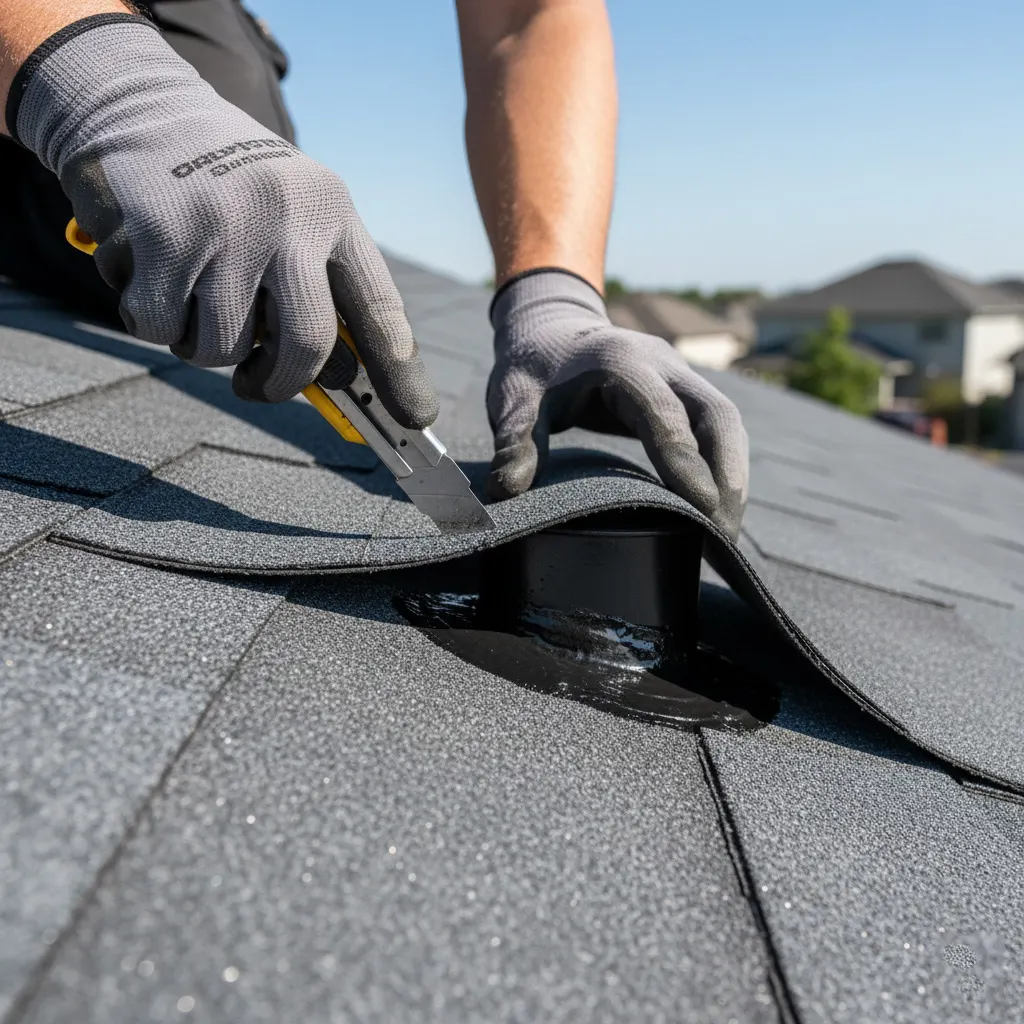
- Cut the caulk tube tip at a 45-degree angle for a thin bead. Squeeze steady along edges around vents, chimneys, and skylights.
- Smooth with a wet finger right away. Let it cure 24 hours before testing with a hose.
Do this twice a year. You'll dodge rot that hits 70% of leaky roofs around here.
Flashing Fixes That Hold Up to Georgia Gales
Flashing bends and gaps from wind-whipped storms. Check valleys, dormers, and where roof meets walls. Loose nails? Pull 'em and reseal.
Replace rusted pieces with aluminum or galvanized steel. Bend new flashing over edges using sheet metal pliers, then nail every 8 inches. Top it with caulk for a watertight bond.
Locals skip pros for this and save hundreds. Test after the next downpour, and sleep easy.
Ventilation Victory: Simple Attic Hacks to Beat Heat and Moisture
Columbus summers turn attics into saunas. That trapped heat and humidity breed mold, warp wood, and shorten shingle life. Smart locals fight back with quick ventilation tweaks that slash moisture buildup fast.
Spot and Fix Blocked Vents
Climb up there quarterly. Look for soffit vents clogged with insulation or debris.
- Pull back fluffy pink stuff blocking airflow.
- Clear leaves and nests from ridge vents.
- Test it: Shine a flashlight; air should move freely.
These moves alone drop attic temps by 20 degrees. No sweat, huge payoff.
Boost with a Cheap Fan Hack
Grab a solar-powered attic fan for under $50 at the hardware store. Mount it near the peak.
It pulls hot air out 24/7, no wiring needed. Pair it with a dehumidifier tray of rock salt in corners to suck up dampness.
Watch your energy bills dip too. Roofs last longer when they breathe easy.
Case Study: Rescuing a Historic Columbus Bungalow from Total Roof Failure
Meet Sarah, a lifelong Columbus resident with a 1920s bungalow on Wynnton Road. After last summer's brutal storm, she spotted water stains inside and heard creaks from the attic. One ignored drip turned into a potential teardown threat fast.
The Wake-Up Call
Sarah's roof had failing flashing around the chimney. Gutters overflowed with oak leaves from nearby trees. Poor attic airflow trapped humid Georgia air, breeding mold underneath the shingles.
- Skipped annual walkthroughs let cracks widen unseen.
- No tree trimming meant branches scraped during winds.
- Zero caulking exposed seams to endless rain.
Hacks That Saved the Day
She grabbed our checklist and hit the roof. Cleared gutters with a simple garden hose trick. Trimmed overhanging limbs back 10 feet.
Sealed flashing with high-grade silicone caulk rated for humidity. Added ridge vents for instant airflow. Cost her under $200 total, no pro needed.
Three months later? Zero leaks. Attic dry as bone. Sarah's bungalow stands strong, dodging a $25K replacement bill. Proof these hacks deliver in real Columbus homes.
Final Thoughts
These Columbus-proven hacks aren't rocket science. They've saved roofs from Georgia's wild weather for decades. Start with that walkthrough checklist this weekend, and watch leaks vanish.
Skip the guesswork. Hit your gutters, trim those branches, and seal up fast. Your wallet (and sanity) will thank you after the next storm rolls through.
- Inspect quarterly, no excuses.
- Caulk cracks before they widen.
- Boost attic airflow now.
Dive deeper into keeping your roof rock-solid. Check our full Roof Maintenance guide for more local tips. Your bungalow's counting on it.
People Also Ask
How often should Columbus homeowners inspect their roofs?
Columbus locals recommend inspecting your roof at least twice a year—once in spring and once in fall—to catch issues early before Georgia's stormy seasons hit. During heavy rains or after storms, do a quick visual check from the ground for visible damage like missing shingles or debris buildup. Regular inspections prevent minor problems from turning into costly repairs. Authoritative guidance: moisture control.
What are the best gutter cleaning hacks for Georgia homes?
Install gutter guards to minimize debris from oak trees common in Columbus, and use a leaf blower for quick seasonal cleanouts. For clogged spots, try the garden hose reverse-flow method to dislodge leaves without climbing ladders. These hacks keep water flowing smoothly, protecting your roof from overflows during humid Georgia summers.
How can I protect my roof from tree branches in Columbus storms?
Trim overhanging branches at least 10 feet from your roof to prevent storm damage from Georgia's frequent thunderstorms. Use pruning poles for safe, DIY cuts and apply roof-safe sealants to any nicks on branches that could drip sap. Columbus pros swear by annual tree maintenance to shield shingles from falling limbs.
What DIY fixes work best for roof leaks in humid Columbus climates?
Re-caulk around flashing and vents with a high-quality silicone sealant designed for wet conditions to seal gaps caused by humidity expansion. Check and replace worn rubber boots on vent pipes, a common leak source in Georgia heat. These simple hacks buy time until a pro inspection, but always prioritize safety.
How do I improve attic ventilation for Columbus roofs?
Install solar-powered attic fans or ridge vents to expel hot, moist air trapped by Georgia's humidity, reducing shingle wear and mold risk. Add intake vents along the soffits and ensure they're clear of insulation for optimal airflow. Local experts note this hack can extend roof life by years in our steamy climate.
Need Roofing Services?
Quick roof repairs and replacements for leak-free, storm-ready protection in Columbus, GA and nearby areas. (31904, 31906, 31907, 31909)
Get Roofing Quote