


⚡ TL;DR: Solar roofing installation in Columbia is a smart investment for homeowners who balance federal incentives and regional climate factors against long-term energy savings and overall property suitability.
📋 What You’ll Learn
Considering a transition to solar power in Columbia? This comprehensive guide breaks down the financial benefits, climate-specific technical requirements, and essential installation considerations for local homeowners weighing their solar energy investment.
- Master the technical solar mechanics by understanding how South Carolina’s unique sun exposure and humidity levels impact the energy efficiency and overall performance of your new roofing system.
- Maximize your financial return through an expert breakdown of federal tax credits, local South Carolina utility rebates, and long-term monthly savings that significantly offset your initial installation costs.
- Assess your property’s suitability by learning the critical roof factors, such as structural integrity, orientation, and shading, that determine if your home is a prime candidate for solar.
- Navigate the installation journey with confidence as we outline what to expect from professional contractors, from the initial site inspection to final system activation on your roof.
📖 Reading time: 8 min
✍️ Author expertise: Columbia-based roofing contractor with fifteen years of experience installing solar-ready roofs throughout Midlands.
Every month, you hand over a thick check to the power company, watching your hard-earned money vanish into the grid while Columbia summers crank your AC into overdrive. It feels like a rigged game where you keep paying more just to keep your home comfortable.
What if you could flip the script and turn your own roof into a personal power plant that actually puts money back in your pocket? Solar roofing isn't just a high-tech trend for the wealthy; it’s a legitimate financial strategy that is changing how homeowners in South Carolina handle their monthly bills.
Before you commit to a major upgrade, you need to know if the numbers actually work for your specific home or if you are just falling for a shiny piece of marketing. Let’s break down the cold, hard facts of solar installation so you can decide if it is time to make the switch.

The Mechanics of Solar Roofing: How It Works in the South Carolina Climate
Solar technology works by capturing photons from sunlight and converting them into direct current electricity. In Columbia, we have the perfect environment for this process because our high humidity and long summer days provide a steady supply of energy.
Your rooftop acts as the collector. Once the panels capture the light, an inverter transforms that raw energy into usable power for your refrigerator, lights, and that air conditioner working overtime.
You might worry about our frequent South Carolina thunderstorms or cloud cover, but don't let that fool you. Solar systems are designed to operate even on overcast days.
Here is what actually happens on your roof:
- The photovoltaic cells absorb sunlight, even when it is hazy.
- The inverter converts DC electricity into AC, which your home appliances use.
- Excess power often flows back into the grid, which can earn you credits depending on local utility policies.
It is not magic. It is simply physics applied to your property to reduce your dependence on the local utility provider. When the sun beats down on your shingles, you are finally making that heat work for your wallet rather than just making your house miserable.
Federal Incentives and Local Rebates: Maximizing Your ROI in Columbia
The math behind solar is far better than it used to be, thanks largely to the Federal Solar Investment Tax Credit (ITC). Right now, you can claim 30% of the entire cost of your solar system as a credit against your federal income tax.
This isn't a deduction that merely lowers your taxable income. It is a dollar-for-dollar reduction in what you owe the IRS at the end of the year.
Here is what you need to keep in mind to capture these savings:
- The credit applies to both equipment and labor costs for your installation.
- If your tax bill is lower than the credit amount, you can roll the remaining balance over to the following tax year.
- You must own the system outright, rather than leasing it, to qualify for the full federal benefit.
Beyond the federal government, South Carolina offers its own powerful incentives to help you break even faster. The state provides a 25% state tax credit on the costs associated with your solar energy system.
When you combine these local perks with federal programs, you effectively slash your upfront out-of-pocket costs by more than half. It turns a large capital expenditure into a managed investment with a much shorter payback period.
Always verify your specific utility company’s current net metering policies before signing a contract. Some local providers in the Columbia area offer additional rebates or performance-based incentives that can further sweeten the deal for your bottom line.
Evaluating Your Roof: Factors That Determine Solar Suitability
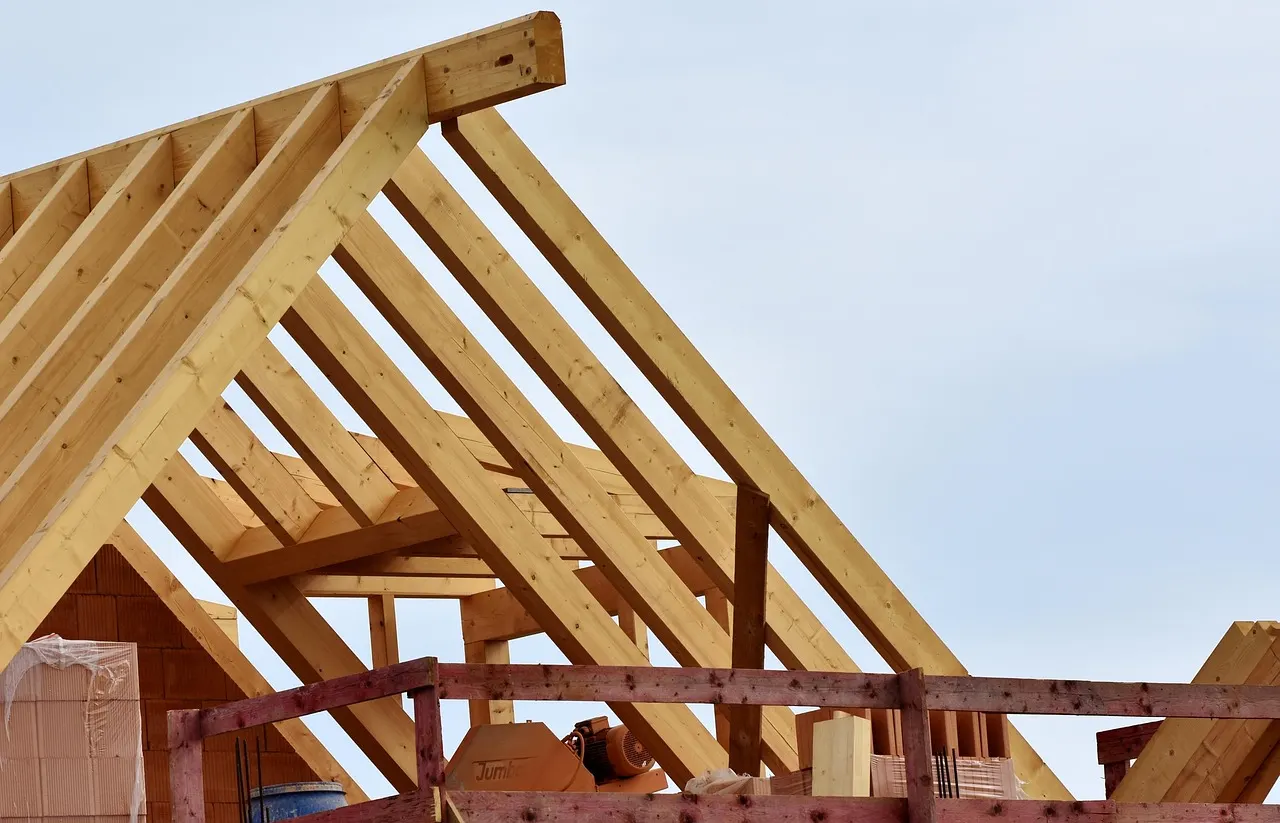
Not every roof in Columbia is built for solar, and the last thing you want is a system that underperforms because of a structural mismatch. Before you spend a dime, you have to look at the physical realities of your home.
The biggest factor is sun exposure. You need an unobstructed path for the sun to hit your panels throughout the peak hours of the day.
Check these specific points to see if your roof is a candidate:
- Shade Analysis: If your roof is constantly covered by oak trees or nearby buildings, your output will tank. You need consistent, direct sunlight to make the math work.
- Roof Orientation: In the Northern Hemisphere, south-facing roofs are the gold standard. They capture the most light, though east or west-facing setups can sometimes still provide solid results.
- Age and Condition: If your shingles are curling, brittle, or near the end of their life, fix the roof first. Installing expensive solar gear on top of a failing roof is a financial disaster waiting to happen.
You also have to consider the structural integrity of your rafters. Solar panels are heavy, and adding that weight requires a roof capable of supporting the load without bowing or sagging over time.
A professional inspection should verify your structural capacity immediately. If your roof is solid, it acts as the perfect platform to generate power for the next twenty years.
Think of it as investing in your foundation before you build the house on top of it. If the base isn't right, the solar system won't perform to its potential.
Real-World Results: A Case Study of a Columbia Residential Solar Upgrade
Let’s look at a local family in the Forest Acres area who decided they were finished with rising utility rates. Their 2,200-square-foot home was a heat magnet during our brutal South Carolina Julys, leaving them with average electricity bills exceeding $280.
After we assessed their roof pitch and sun exposure, they pulled the trigger on a 9kW solar panel array. Here is what actually happened to their bottom line over the first twelve months of operation:
- Their average monthly bill plummeted from $280 down to a mandatory grid connection fee of just $15.
- The system generated enough power to cover 92% of their annual energy demand, even with the AC running non-stop.
- By combining the federal tax credit with local utility net metering, they recouped nearly 30% of their initial investment in year one alone.
The math here is brutally simple. They didn't just save a few bucks; they effectively locked in their energy costs for the next three decades.
This isn't about saving the planet with abstract goals; it is about keeping your cash in your own bank account. When you stop renting your power from the utility company, your roof becomes a high-yield asset rather than just a shingles-and-nails expense.

Long-Term Financial Impact: Comparing Monthly Savings vs. Installation Costs
Let’s talk brass tacks. When you install solar, you aren't just buying hardware; you are buying your own power at a fixed rate for the next 25 years. While your neighbors are hit with annual utility rate hikes, your costs stay locked in, effectively creating a hedge against inflation.
Most Columbia homeowners see their monthly utility bills plummet by 70% to 90% almost immediately. When you combine those lower bills with federal tax credits, the system often pays for itself in less than a decade. After that point, the energy you produce is essentially free, turning your roof into a profit center rather than a maintenance expense.
The Real Math Behind the Investment
To see how this shakes out for your wallet, look at these specific financial variables:
- Energy Independence: You stop renting power from the grid and start owning your supply.
- Home Value: Data shows that homes with solar systems sell faster and at a premium price point compared to those without.
- Avoided Costs: As the grid gets more expensive, the value of the electricity you produce grows, increasing your total savings every year.
Think of it as moving your money from a savings account that pays pennies into a high-performing asset on top of your house. It is simple arithmetic: you spend money once to make money every single month for the rest of your life.
Navigating the Installation Process: What to Expect from Professional Contractors
You might think a solar install is a messy, week-long headache that leaves your home in shambles. In reality, a professional crew usually completes the heavy lifting on a standard Columbia home in just two to three days.
The process starts with a thorough roof inspection. We check your structural integrity and existing shingle health before a single panel touches your home.
Once we clear the site, the installation follows a precise sequence to ensure your home remains weather-tight and code-compliant:
- Engineers design a layout specifically for your roof pitch and local sun exposure.
- The team installs the mounting hardware, ensuring every attachment point is sealed against moisture.
- We secure the solar modules to the racking system.
- Certified electricians connect the system to your main panel and install the inverter.
Don't sweat the paperwork. A reputable contractor will handle all the permit filings with the City of Columbia and the local utility companies. You aren't just buying hardware; you are paying for a turnkey system that is inspected, tested, and ready to generate power the moment the switch is flipped.
Communication is the hallmark of a pro job. You should expect regular updates throughout the process, from the initial site walk-through to the final safety certification. If a contractor hesitates to show you their insurance or state licensing credentials, take that as a major red flag and look elsewhere.
Final Words: Determining if Solar is the Right Move for Your Home
Deciding whether to pull the trigger on Solar Roofing Installation isn't just about being eco-friendly. It is a calculated move to stop hemorrhaging cash to utility providers.
If your roof gets plenty of direct sunlight and you plan on staying in your Columbia home for at least the next seven to ten years, the math is simple. You swap a permanent utility payment for an asset that builds equity.
However, not every home is a perfect candidate. You need to consider these deal-breakers before you sign a contract:
- Roof Age: If your shingles are nearing the end of their lifespan, replace the roof first. Installing panels on a failing roof is a massive mistake.
- Shade Patterns: Large oak trees might look great, but they destroy your solar output. If your roof is constantly in the shadows, the system will never pay for itself.
- Energy Usage: Look at your bills from the last two years. If your monthly usage is minimal, the upfront investment may take too long to break even.
At the end of the day, solar is an investment vehicle for your property. It is about locking in your power costs and insulating yourself from inevitable rate hikes.
Check your specific roof orientation and talk to a professional who will give you the raw data without the sales fluff. If the numbers show a positive return, you are essentially buying a private utility company that sits on top of your house.
People Also Ask
Is solar roofing worth it in Columbia, SC?
Yes, solar roofing is a smart investment in Columbia due to the abundant sunlight and favorable net metering policies from local utility providers. By significantly reducing your monthly electricity bills and leveraging federal tax credits, most homeowners see a full return on their investment within 7 to 10 years.Does South Carolina offer tax incentives for solar panels?
Yes, South Carolina residents can benefit from the federal solar investment tax credit, which allows you to deduct 30 percent of your installation costs from your federal taxes. Additionally, some local utility companies offer performance-based incentives or net metering programs that credit you for excess energy your system sends back to the grid.Can my current roof support a solar installation?
Not every roof is ideal, so a professional inspection is required to evaluate your roof's age, structural integrity, and material condition. Ideally, your roof should face south and be free of shading from trees or nearby buildings to maximize energy production throughout the day.How much money will solar panels save me on my monthly utility bill?
Savings depend on your household energy consumption and the size of your solar array, but many Columbia homeowners reduce their electricity bills by 50 to 90 percent. When you combine these immediate monthly savings with the potential increase in your home property value, the long-term financial impact is highly positive.What is the typical lifespan of a solar roofing system in the Southeast?
Most high-quality solar roofing systems are designed to last between 25 and 30 years with minimal maintenance. Since South Carolina experiences intense heat and occasional severe weather, choosing a professional installer who provides a comprehensive warranty is essential for long-term peace of mind.Need Roofing Services?
We install and repair roofs quickly to protect homes across Columbia and nearby areas (29201, 29205, 29209, 29072, 29169).
Get Roofing Quote