


⚡ TL;DR: To ensure your home remains protected in Columbia, learn how to avoid common roof installation errors by prioritizing professional expertise, proper ventilation, and strict adherence to local building codes.
📋 What You’ll Learn
Installing a new roof in Columbia requires navigating unique climate challenges and specific building standards. This guide identifies common installation pitfalls to ensure your investment provides lasting protection for your home.
- Navigate local building requirements to ensure your project stays compliant with South Carolina code, avoiding costly legal hurdles and potential fines that often stem from neglecting essential permit processes.
- Master proper underlayment techniques to prevent hidden moisture damage, which is a frequent cause of rot and structural decay in the humid, unpredictable climate found throughout the Midlands area.
- Optimize your attic ventilation to stop heat from trapping inside your roof deck, effectively preventing premature shingle blistering and extending the functional lifespan of your high-quality roofing materials.
- Master precise flashing installation to seal vulnerable transition points like chimneys and valleys, which act as the primary defense against leaks during our intense Columbia summer storm seasons.
- Prioritize long-term structural quality over the lure of the lowest price to ensure your roof withstands local weather patterns without requiring expensive, unexpected repairs shortly after the installation concludes.
📖 Reading time: 7 min
✍️ Author expertise: Master roofer in Columbia, SC, with decades of experience restoring local residential properties.
You spend a fortune on a new roof, expecting decades of peace of mind, only to see water spots on your ceiling after the first Columbia thunderstorm. It is the kind of nightmare that keeps homeowners up at night, and sadly, it happens far more often than it should.
Most roofing disasters aren't caused by bad luck. They are caused by simple, preventable mistakes made during the installation process that turn your home into a sponge.
Before you sign a contract or let a crew climb onto your property, you need to know exactly what to look for to ensure the job is done right. Keep reading to discover the common traps you must avoid to protect your biggest investment.

Ignoring Local Building Codes and Permit Requirements in South Carolina
Every city in South Carolina has specific building codes designed to handle our unique climate. Columbia residents deal with intense humidity, high heat, and sudden, heavy storms, which is exactly why the International Residential Code (IRC) is strictly enforced here.
When a contractor skips the permit process, they are cutting corners that could cost you thousands. You might save a few bucks upfront, but you are creating a legal and financial headache that will explode the moment you try to sell your home.
Here is what happens when codes are ignored:
- The city may force you to tear off your brand-new roof for an inspection.
- Your homeowners insurance claim could be denied because the work wasn't properly permitted.
- You lose all recourse against the contractor if the roof fails prematurely because there is no official paper trail.
Always demand to see the building permit posted at your property before a single shingle is stripped. A reputable roofer in Columbia will handle all the paperwork and ensure the work meets every local regulation, from wind load requirements to shingle fastener patterns.
Improper Underlayment Installation and Moisture Barrier Failures
Your shingles are just the decorative skin of your roof. The real hero working behind the scenes is the underlayment, the layer that stands between your interior and a catastrophic leak.
In the humid, sweltering climate of Columbia, moisture is your home's greatest enemy. If a contractor tries to save a few bucks by skipping high-quality synthetic underlayment or installing it with wrinkles and gaps, they are essentially rolling out the red carpet for wood rot and mold.
Here is what happens when these barriers fail:
- Moisture gets trapped under the shingles, leading to premature decking decay.
- The roof deck loses its structural integrity, potentially causing a collapse under heavy loads.
- Water seeps into your attic insulation, creating a breeding ground for toxic mold.
Don't let a rookie crew cut corners here. You want a watertight seal that covers the entire deck, especially around penetrations where leaks love to hide. If you see them using thin, paper-based felt instead of durable synthetic material, stop the work immediately.
A properly installed moisture barrier should be laid flat and overlapped precisely according to manufacturer specifications. Anything less is a shortcut that will cost you thousands in water damage repairs down the road.
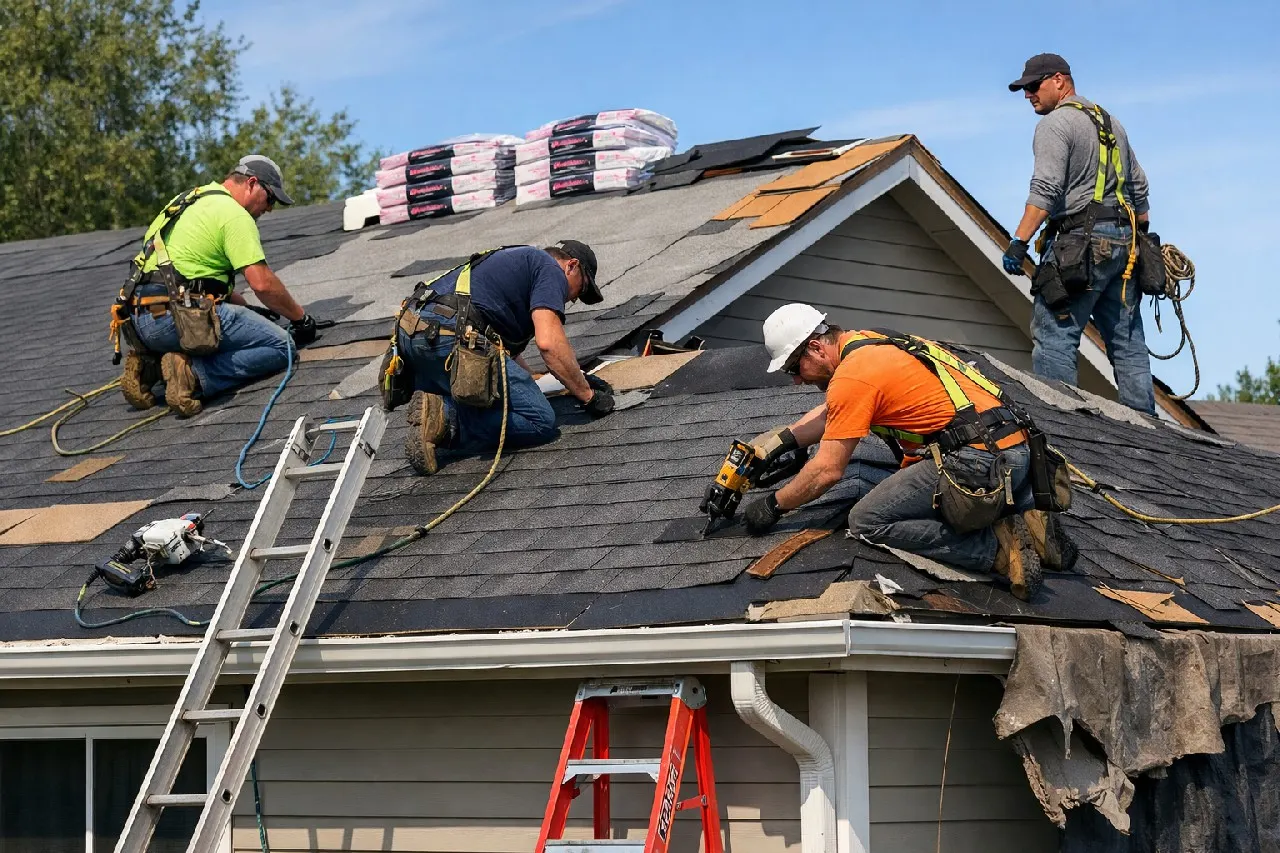
Poor Ventilation Design Leading to Shingle Blistering and Rot
Most Columbia homeowners think their roof is just a lid. In reality, it is a complex breathing system that keeps your attic temperature in check.
When a roofer cuts corners on ventilation, they are essentially trapping heat and moisture directly under your shingles. Think of it like wearing a heavy winter coat in the South Carolina summer; eventually, you are going to break down.
Without proper airflow, your roof becomes a ticking time bomb. Here is what happens when that heat gets trapped:
- The intense heat bakes your shingles from the underside, causing them to blister and crack long before their warranty expires.
- Trapped humidity creates a breeding ground for mold and wood rot, which silently eats away at your roof decking.
- Your air conditioner works triple-time to combat the thermal heat gain radiating from the attic, sending your monthly utility bills through the roof.
Proper ventilation requires a precise balance of intake vents at the eaves and exhaust vents at the ridge. If your installer fails to calculate the Net Free Ventilating Area, they are guessing with your money.
Don't let an amateur turn your attic into a steam room. A pro knows that ventilation isn't optional—it is the heartbeat of a long-lasting roof.
4. Inadequate Flashing Techniques Around Chimneys and Roof Valleys
Think of flashing as the armor of your roof. It is the thin metal strip that seals the gaps where your roof meets a wall, a chimney, or creates a valley where two slopes intersect.
When installers try to cut corners here, water finds a way inside immediately. In Columbia, where we get heavy downpours, a lazy flashing job is a ticking time bomb for your attic insulation.
Here are the common failures we see far too often:
- Using caulk or sealant as a permanent fix instead of proper metal step flashing.
- Failing to tuck flashing deep enough behind siding or chimney masonry.
- Ignoring the critical ice and water shield layer underneath the metal pieces.
If your contractor is just slapping shingles over a valley without installing heavy-duty metal pans or proper underlayment, run. Valleys are the primary drainage paths for your entire roof.
If that path is blocked or poorly sealed, water will back up and seep under your shingles. You might not see it for months, but by the time a stain appears on your ceiling, the wood decking underneath is likely already rotting away.

Lessons Learned: A Case Study of Roof Restoration in Columbia
Last year, we took on a project in the Shandon neighborhood that serves as a classic cautionary tale for local homeowners. The previous installer had skipped the most basic steps, leaving the homeowner with a roof that was effectively falling apart only three years after it was replaced.
During our teardown, we uncovered a series of amateur moves that turned a simple roof into a ticking time bomb. We found rusted nails, missing starter strips, and a lack of proper drip edge installation.
What Went Wrong?
The failures were blatant and completely avoidable if the crew had actually cared about the final result. Here is what we found during the inspection:
- The underlayment was torn in multiple spots because it was stapled down instead of being properly secured.
- The flashing around the chimney was held together by nothing more than thick layers of roofing tar, which had already cracked.
- There was zero ventilation near the ridge, turning the attic into a literal oven that cooked the shingles from the inside out.
The homeowner thought they were getting a steal on the pricing, but they ended up paying twice. They had to foot the bill for the failed install and then pay us to come in and do the job the right way.
This situation proves that a roof is only as good as the hands that build it. Don't let your home become the next project where we have to fix someone else's costly mistakes.
The Dangers of Choosing Price Over Proven Quality and Experience
When you get a handful of quotes for a new roof in Columbia, the temptation to pick the cheapest one is strong. You might think a roof is just a roof, so why pay a premium for the same asphalt shingles?
That logic is a fast track to financial disaster. Low-ball bids often hide ugly truths that aren't apparent until the first heavy downpour rolls through the Midlands.
Cut-rate contractors usually survive by slashing corners everywhere they can. Here is what you are actually paying for when you hire a bargain basement crew:
- Inexperienced laborers who lack proper certification.
- Low-grade materials that crack under the South Carolina heat.
- Little to no liability insurance if something goes sideways.
- The absence of a valid manufacturer warranty.
Think about the cost of a second roof installation when the first one fails in two years. You end up paying for materials, labor, and dump fees twice over because you wanted to save a few hundred dollars upfront.
Real professional roofing craftsmanship isn't just about nailing down shingles. It is about years of specialized training, understanding local climate demands, and having the integrity to do the job right when nobody is watching.
Avoid the trap of the lowest bid. In this industry, you get exactly what you pay for, and cheap work is never cheap in the long run.
Final Words: Protecting Your Home Through Professional Installation
Your roof is the primary defense between your family and the unpredictable South Carolina weather. When you prioritize a professional Roof Installation, you are paying for the peace of mind that comes from knowing every nail, shingle, and flashing detail is locked in tight.
Skimping on the contractor might save you a few hundred dollars today, but it often leads to thousands in repairs tomorrow. You need a team that respects your home as much as you do, using high-grade materials and industry-standard safety practices.
Consider these non-negotiables before you hire anyone to work on your home:
- Local Expertise: Does the crew understand the specific humidity and storm patterns here in Columbia?
- Proven Track Record: Can they provide verifiable references from neighbors who have worked with them for years?
- Clear Communication: Are they willing to show you their permit status and provide a detailed, written warranty for their labor?
Remember, a quality installation isn't just about nailing down asphalt. It is a precise technical craft that requires training, patience, and a refusal to cut corners when no one is watching.
Don't gamble with your biggest asset. Choose a partner who values long-term performance over a quick payday and sleep soundly through the next big storm.
People Also Ask
What are the most common roofing mistakes in South Carolina?
Common mistakes include failing to adhere to local municipal building codes, improper installation of the moisture barrier, and neglecting attic ventilation. In the humid Columbia climate, these errors often lead to premature shingle degradation and significant interior water damage.Do I need a building permit to replace my roof in Columbia, SC?
Yes, most roofing projects in Columbia require a building permit to ensure the installation meets current safety and structural standards. Working without a permit can lead to fines and may cause issues when you attempt to sell your home in the future.How does poor attic ventilation affect my roof?
Poor ventilation traps heat and moisture, which can cause your shingles to blister and the wooden roof decking to rot. Properly designed intake and exhaust systems are essential for extending the lifespan of your roof in South Carolina's intense summer heat.Why is flashing important for a roof installation?
Flashing acts as a critical seal around chimneys, skylights, and roof valleys where water is most likely to penetrate. If flashing is installed incorrectly, these high-risk areas will inevitably leak, causing damage to your ceilings and rafters.Is it worth hiring a cheaper roofer for a new installation?
Choosing the lowest bidder often leads to subpar materials and rushed labor that will cost you more in emergency repairs later. Investing in an experienced local contractor ensures the job is done right the first time, protecting your property value and your peace of mind.Need Roofing Services?
We install and repair roofs quickly to protect homes across Columbia and nearby areas (29201, 29205, 29209, 29072, 29169).
Get Roofing Quote