


⚡ TL;DR: This guide helps Columbia homeowners identify signs of structural damage to determine when a full roof deck replacement is necessary to protect their home from local climate issues.
📋 What You’ll Learn
In this guide, we explore the critical signs indicating your Columbia home requires a roof deck replacement, ensuring you protect your property against moisture damage and avoid costly structural failures.
- Recognize early warning signs of rot by learning how to spot moisture-related decay, sagging, and water infiltration that specifically impact homes throughout Columbia’s hot and humid climate.
- Understand why shingle replacement isn't enough if your underlying roof deck is compromised, as simply layering new materials over decaying wood often masks dangerous, hidden structural integrity issues.
- Evaluate the cost-benefit of full replacement compared to spot repairs by reviewing realistic expectations for long-term investments in your home’s safety, durability, and overall market resale value.
- Protect your home from climate-related damage through expert maintenance tips and inspections designed to extend the lifespan of your roof deck despite the intense South Carolina heat.
📖 Reading time: 7 min
✍️ Author expertise: Master roofing contractor with fifteen years of experience inspecting and repairing Columbia homes.
Your roof is the only thing standing between your family and the unpredictable Columbia heat, but what happens when the support structure underneath your shingles starts to rot? Most homeowners assume that a simple roof replacement covers everything, but hidden decay can turn a standard job into a financial nightmare if you ignore the signs.
I have seen countless properties across South Carolina where the shingles look pristine, yet the wood deck beneath them is crumbling like a dry sponge. Ignoring this structural foundation is a gamble that eventually leads to sagging rafters and catastrophic interior leaks.
You need to know exactly when a deck replacement is a necessity rather than an upsell. Let's look at the specific red flags that tell you it is time to stop patching and start rebuilding from the base up.

Understanding the Role of Your Roof Deck: More Than Just a Base
Think of your roof deck as the skeleton of your home’s armor. While your shingles or metal panels handle the initial brunt of the Columbia sun, the plywood or OSB sheathing underneath provides the actual structural strength that holds everything together.
Without a rock-solid deck, your roofing system loses its ability to anchor nails securely. When those nails start backing out because the wood has turned to mush, your shingles become nothing more than expensive confetti waiting for the next big thunderstorm.
To understand why this layer is so vital, consider what it actually does for your home:
- It acts as the primary load-bearing surface for your roofing material and snow or debris weight.
- It provides the stiffening force that prevents your rafters from bowing under stress.
- It serves as the final barrier that keeps fire and moisture from reaching your interior living space.
If your deck is compromised, your entire roof is essentially sitting on a foundation of damp cardboard. Even if you slap on the most expensive shingles money can buy, they will eventually fail if the base underneath them is soft, warped, or decaying.
The Impact of Columbia’s Humidity and Climate on Wood Decking
Living in Columbia means dealing with a brutal cycle of extreme summer humidity and heavy seasonal rainfall. Your roof deck, usually made of plywood or oriented strand board (OSB), acts like a giant sponge in these conditions.
When moisture gets trapped under your shingles, the wood begins to swell and lose its structural rigidity. Over time, this constant dampness creates the perfect environment for fungus and mold to take hold, effectively eating your roof from the inside out.
Why South Carolina Moisture is a Silent Killer
It is not just the rain that causes problems; it is the trapped condensation that does the real dirty work. High humidity levels prevent the wood from ever truly drying out during the hotter months.
Consider how this constant exposure compromises your roof:
- Loss of fastener grip: Once wood fibers rot, the nails holding your shingles in place simply pull out.
- Delamination: The layers of plywood begin to peel apart, causing the surface to become uneven and spongy.
- Thermal cycling: Rapid shifts between blistering sun and afternoon thunderstorms cause the wood to expand and contract, opening up microscopic cracks for more water to enter.
If you have noticed your roof feels soft or "bouncy" when walking on it, you are likely feeling the results of advanced moisture saturation. You cannot simply nail new shingles over a deck that has lost its integrity, because the nails will have nothing solid to bite into.
Ignoring this reality does not make the problem go away; it just ensures that a future repair job will cost double because the wood damage has spread to your rafters. Keep a close eye on your attic ventilation, as proper airflow is the only real weapon we have against the relentless South Carolina humidity.
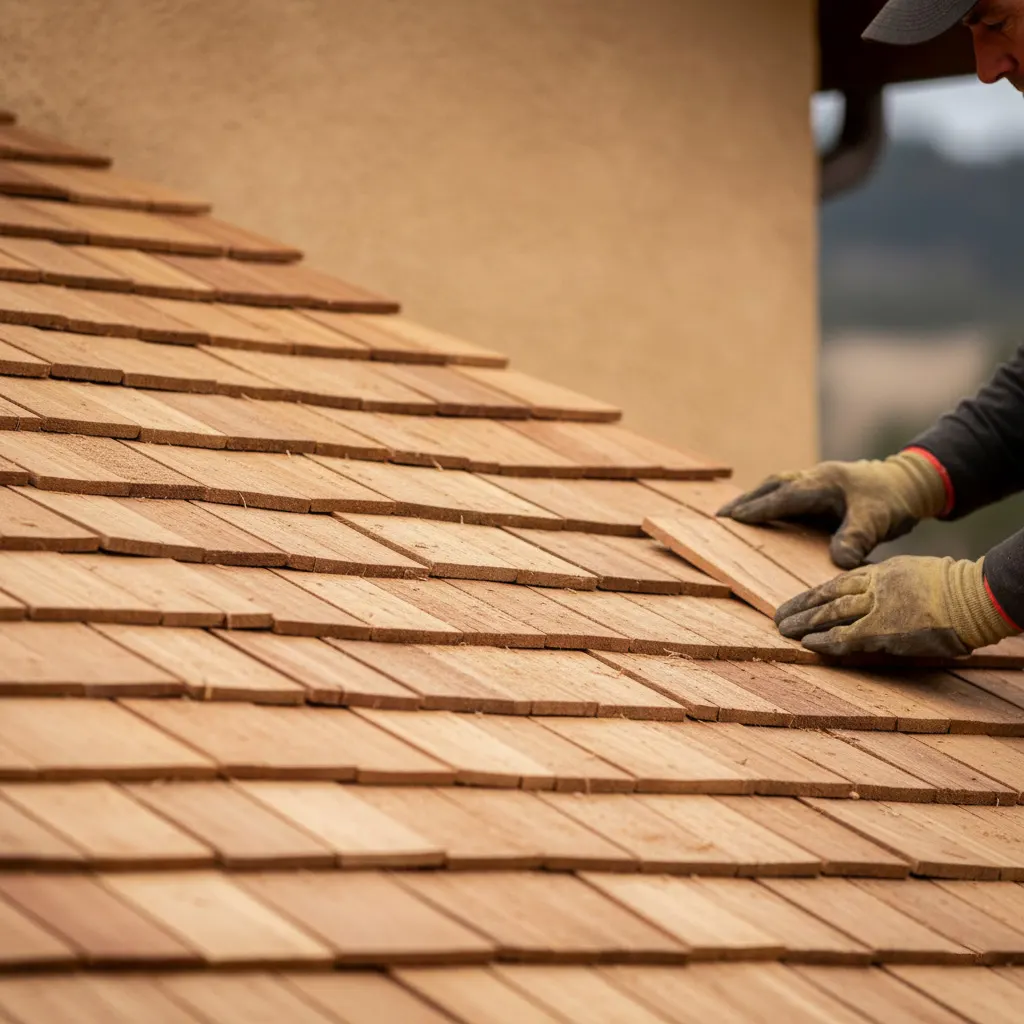
Identifying Red Flags: How to Spot Rot, Sagging, and Water Damage
You don't need an engineering degree to know your roof is in trouble, but you do need to know where to look. Most of the damage happens where you can't see it, right under the shingles, yet your home usually drops hints before things turn disastrous.
If you notice these specific signs, your roof deck is likely screaming for help:
- Interior water stains on your ceilings that keep reappearing despite "fixes."
- A visible dip or sway in the roofline when viewed from the street.
- Soft or spongy spots you feel when walking in your attic during the heat of the day.
- Peeling paint or cracked plaster on the walls directly below the roofline, which often signals shifting rafters.
The most dangerous red flag is the "attic test." Grab a flashlight and head up there during the next dry, sunny afternoon.
Look for light peeking through cracks where the wood panels meet. If you see daylight, that means water, moisture, and pests have a direct highway into your home.
If you touch the plywood and it feels damp or crumbly, the wood fibers have already lost their structural integrity. At this point, the deck is no longer holding your shingles; it is just waiting to collapse under the next heavy South Carolina thunderstorm.
Why Simple Shingle Replacement Often Masks Structural Decay
Many homeowners treat a roof replacement like a new coat of paint. They swap the old shingles for shiny new ones, believing the house is good for another twenty years.
But here is the brutal truth: if you lay new shingles over a rotten, soft, or water-logged deck, you are essentially dressing up a sinking ship. The shingles look great from the street, but the structural integrity of your home remains compromised.
When a roofer skips a deck inspection, they are setting you up for failure. Shingles are just the skin; the deck is the bones. If those bones are weak, the whole roof system will eventually fail.
The Hidden Dangers of Ignoring the Deck
- Nails will not hold in soft or spongy wood, leading to shingles blowing off in Columbia wind storms.
- Moisture trapped beneath new shingles will accelerate rot, effectively rotting your new roof from the inside out.
- Structural fasteners often pull loose from degraded plywood, creating uneven surfaces that look wavy or buckled.
You might save a few bucks in the short term by opting for a simple "shingle-over" job. However, the cost of fixing a total roof failure later—after your ceiling starts leaking or your rafters begin to shift—is exponentially higher.
Do not let a contractor convince you that a surface-level fix is enough when your deck shows signs of wear. Demand an inspection that looks at the plywood directly, not just the shingles on top.
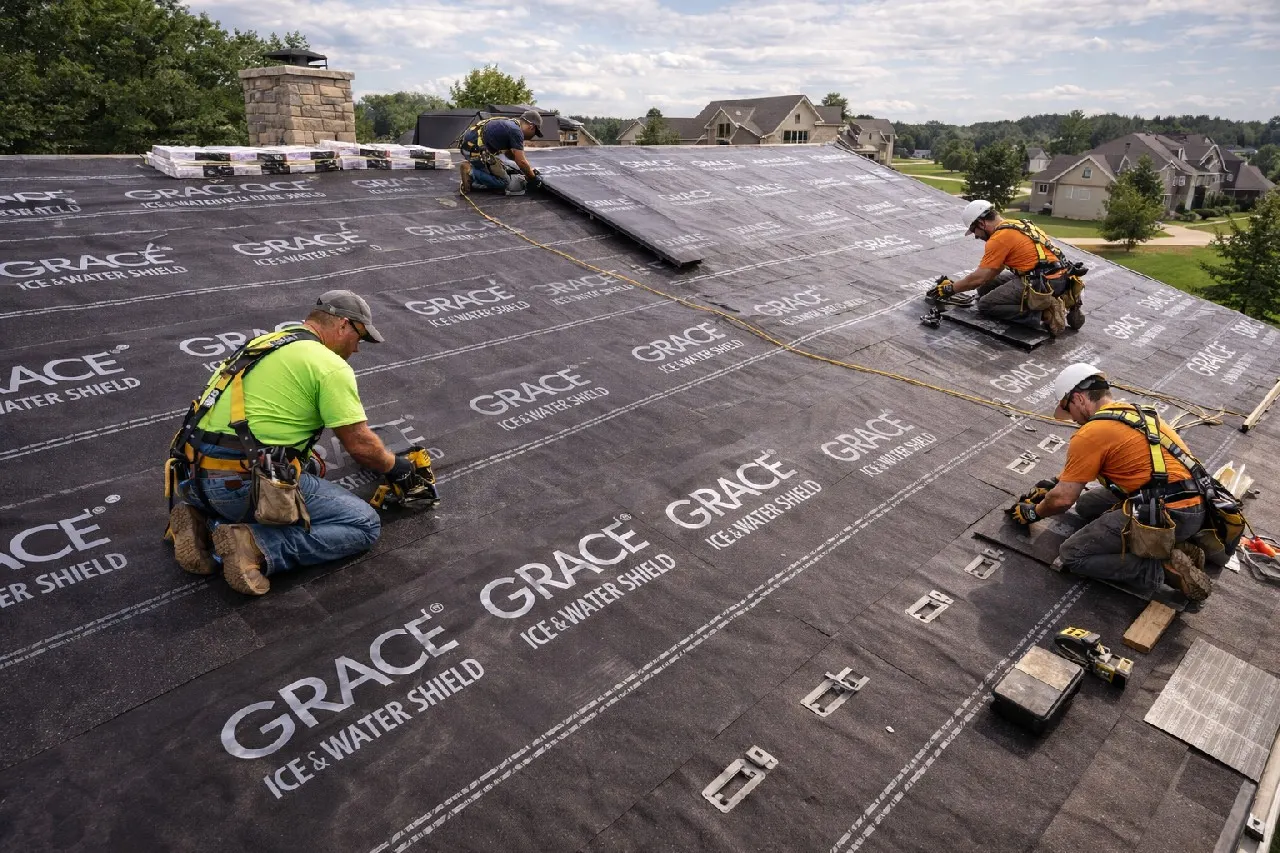
Case Study: Restoring a Columbia Home After Hidden Deck Failure
Last summer, I took a call from a homeowner in the Forest Acres area. They had a roofing company perform a quick shingle replacement just two years prior, but their ceiling started showing persistent brown spots during the first heavy thunderstorm of the season.
When my crew pulled back the new shingles, the reality was shocking. The previous contractor had nailed new materials directly onto a soft, sponge-like layer of OSB board that had completely lost its structural integrity due to localized moisture trapping.
Because the foundation was compromised, the nails were literally sliding out of the wood. Here is exactly what we discovered during our inspection:
- Extensive fungal decay in the plywood sheets near the chimney flashing.
- Rust-damaged roofing nails that were no longer gripping the rafters.
- Visible mold colonies feeding on the moisture trapped between the felt paper and the decking.
We had to strip the entire roof down to the rafters to save the home from an eventual collapse. The homeowner learned a hard financial lesson: you cannot build a permanent solution on a rotting base.
By opting for a full deck replacement rather than another patch job, we gave the roof a stable surface that will actually last the full twenty-year lifespan of the shingles. Ignoring the deck didn't save them money; it cost them double because they had to pay for a tear-off twice.
Assessing the Cost of Full Deck Replacement vs. Spot Repairs
When you spot a soft patch on your roof, the temptation to just swap out a single sheet of plywood is strong. You want to save money, and it feels like a logical, surgical strike against a small problem.
However, spot repairs are often a false economy in our humid South Carolina environment. If the wood is rotting in one area, moisture has likely compromised the surrounding boards, even if they don't look wet yet.
Here is how the financial reality usually breaks down for homeowners:
- Spot Repairs: Low upfront cost, but high risk. You pay for labor and materials today, only to find the next section failing six months down the road. You end up paying for multiple service calls and repeated shingle removal.
- Full Deck Replacement: A larger investment today that secures your home for decades. You only pay for the roof permit and scaffolding setup once.
Think of it as insurance against future disaster. When we tear off your old shingles to replace the entire deck, we provide a clean, solid base for the new roofing system.
This allows the underlayment to adhere correctly and ensures your new shingles are warranted by the manufacturer. If you force a roofer to install new shingles over a spongy, compromised deck, you are essentially throwing your warranty out the window.
Most manufacturers will refuse to honor a claim if the deck surface is uneven or structurally unsound. Replacing the entire deck gives you the peace of mind that your investment is actually protected.
If your roof is over twenty years old, spot repairs are usually a waste of cash. The structure has reached the end of its lifespan, and a full replacement is the only way to stop the cycle of decay.
Final Words: Protecting Your Home’s Structural Integrity
Your roof is the most important asset your home owns. If you neglect the foundation sitting directly under your shingles, you are essentially building on borrowed time.
When you commit to a full-scale roof deck replacement, you aren't just spending money on plywood or OSB. You are buying peace of mind and long-term security for your family.
Don't wait until you see a sagging line or a ceiling stain that screams emergency. Stay proactive by scheduling an inspection that specifically checks the condition of your decking.
Here is what you need to keep in mind when deciding on the next steps for your roof:
- Inspect the attic space during a heavy Columbia downpour to spot early moisture intrusion.
- Ask your contractor to walk the roof during the estimate to check for soft spots or spongy areas that indicate rot.
- Remember that putting new shingles over a compromised deck is like putting a fresh coat of paint on a rotting fence post.
If you suspect your home is hiding structural decay, it is time to look into a professional Roof Deck Replacement before a minor problem turns into a total structural failure. Protecting your investment starts from the base up, not the top down.
Make sure you choose a team that values your home's longevity over a quick, surface-level sale. Your house is a major financial engine; keep it running right by keeping the foundation solid.
People Also Ask
How do I know if my roof deck needs replacing in Columbia?
You should inspect your deck for signs of sagging, spongy spots when walked upon, or visible water stains in the attic. If you notice persistent leaks or significant wood rot during a shingle replacement, your decking likely requires a full replacement to ensure structural safety.Can I just replace my shingles if the roof deck is damaged?
Replacing shingles over a damaged deck is not recommended because the new shingles will not have a stable surface to adhere to. Over time, this leads to nail pops, shingle blow-offs, and further structural decay that could cause your entire roof system to fail prematurely.How does Columbia’s climate affect roof deck longevity?
Columbia experiences high humidity and intense summer heat, which can trap moisture within the roof assembly. This constant cycle of humidity and thermal expansion accelerates wood rot and mold growth, potentially shortening the lifespan of your plywood or OSB roof decking.Is a roof deck replacement expensive?
The cost of a deck replacement depends on the square footage of your roof and the extent of the underlying damage. While it adds to the initial project price, investing in a new deck prevents costly future repairs and protects your home’s overall structural integrity.How long does roof decking typically last in South Carolina?
With proper attic ventilation and professional installation, most roof decks can last 20 to 30 years. However, if moisture becomes trapped due to poor ventilation, the deck may degrade much faster, necessitating an earlier replacement during your next roofing project.Need Roofing Services?
We install and repair roofs quickly to protect homes across Columbia and nearby areas (29201, 29205, 29209, 29072, 29169).
Get Roofing Quote