


⚡ TL;DR: Learn key Asphalt Shingle Roof Installation steps for Buffalo, NY, to achieve 30-year durability, including shingle selection, deck prep, ice shields, precise nailing, and ventilation optimization.
📋 What You’ll Learn
Discover proven secrets for installing asphalt shingles in Buffalo, NY, to achieve a true 30-year lifespan amid brutal winters, ice dams, high winds, and moisture challenges.
- Master selecting shingles for Buffalo winters by choosing impact-resistant, algae-proof options rated for extreme cold, heavy snow loads, and thermal cycling to ensure decades of durability.
- Unlock roof deck preparation essentials including proper sheathing, spacing, and fastening techniques that prevent warping, leaks, and structural failures under harsh Lake Erie weather.
- Learn ice dam protection strategies with full-coverage ice and water shields along eaves, valleys, and penetrations to safeguard against Buffalo's notorious freeze-thaw ice buildup.
- Perfect nailing and starter strips for superior wind uplift resistance using six-nail patterns, sealed edges, and proper overlap to withstand gusts over 110 mph.
- Optimize attic ventilation techniques to expel heat and moisture, avoiding shingle granulation, cracking, and early aging in Buffalo's humid summers and cold winters.
📖 Reading time: 7 min
✍️ Author expertise: Buffalo roofing pro with 25 years of hands-on shingle installs in Western NY winters.
Buffalo winters hit like a freight train—blizzards, ice dams, and winds that could peel paint off a house. Yet your asphalt shingle roof stands strong, laughing off 30 years of punishment if installed right. Most folks don't know the tricks that turn a decent roof into a fortress.
We've seen too many roofs in Buffalo crumble after just a decade, leaking like sieves and costing homeowners a fortune in repairs. The difference? A handful of "secrets" pros like us swear by during installation.
Want your asphalt shingles to hit that magic 30-year mark without drama? Let's dive into the exact steps that make it bulletproof against Western New York's worst.
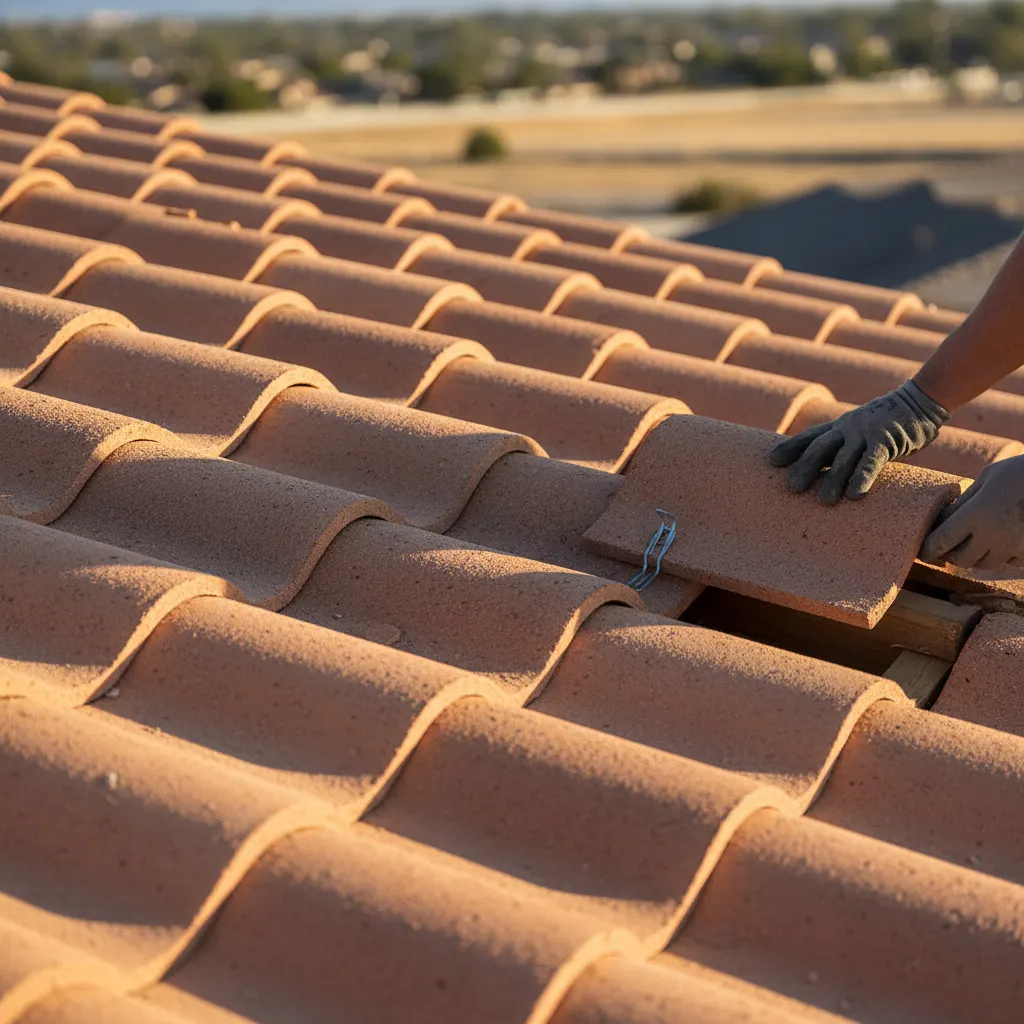
Selecting High-Performance Asphalt Shingles for Buffalo Winters
Buffalo's winters throw heavy snow, freeze-thaw cycles, and brutal winds at your roof. Pick the wrong asphalt shingles, and they crack, curl, or blow off early. Go for architectural shingles with a fiberglass core—they flex without breaking.
Check these must-haves before buying:
- Wind rating of 130 mph or higher: Stands up to lake-effect gusts.
- Impact-resistant Class 4: Hail bounces off instead of punching holes.
- Algae-resistant granules: Keeps black streaks off your roof in humid summers.
Skip cheap 3-tab shingles—they're thin and fade fast. Brands like GAF Timberline HDZ or CertainTeed Landmark pack 30-year warranties backed by real Buffalo-proof tech. Test them against local codes for snow load.
Preparing the Roof Deck: The Key to Structural Integrity
Skip this step, and your fancy asphalt shingles flop faster than a bad bet. The roof deck is your shingles' backbone. In Buffalo's freeze-thaw cycles, a weak deck means rot, sags, and leaks that trash your 30-year dream.
Start by ripping off old layers if they're there. Check every joist and board for water damage. Replace anything punky right away, no mercy.
Quick Deck Prep Checklist
- Use 5/8-inch CDX plywood or thicker OSB rated for roofs.
- Space boards no more than 24 inches on center.
- Nail every 6 inches along edges, 12 inches in the field with 8d ring-shank nails.
- Fill gaps over 1/4 inch to stop wind lift.
Buffalo pros know: seal deck edges with roofing cement. This blocks ice dam moisture from sneaking under. Get it solid here, and your shingles grip like iron for decades.

Installing Ice and Water Shield: Beating Buffalo's Ice Dams
Buffalo's ice dams are roof killers. Snow melts from your warm attic, refreezes at the eaves, and backs up water under shingles. Skip the right protection, and you're looking at leaks straight into your home.
Here's the fix: ice and water shield. This sticky, self-sealing membrane goes right over the roof deck in vulnerable spots. It stops water dead, even if shingles lift or ice pushes through.
Where and How to Install It Right
Don't skimp on coverage. Lay it across the entire eave edge, at least 3 feet up from the exterior wall.
- Extend it 24 inches inside valleys.
- Hit all penetrations: chimneys, vents, skylights.
- Overlap seams 6 inches, roll them flat—no bubbles.
Pro tip: Use full starter courses of shield under the first row of shingles. We've seen roofs last decades this way, shrugging off blizzards that wrecked neighbors' homes.
Precision Nailing and Starter Strip Secrets for Wind Resistance
Buffalo gusts clock 60 mph easy. One loose shingle in a storm, and your whole roof turns into a domino rally. Pros nail with surgical precision to lock everything down tight.
Nail It Right, Every Time
Use galvanized nails, 1.25 inches long, 11-12 gauge. Sink them just flush, no overdriving. Position 1 inch above the sealant strip, 6-8 inches apart across, 12 inches up-down.
- Factory-laminated shingles? Four nails minimum.
- Three-tab? Six nails for wind uplift ratings over 110 mph.
- Steep slopes? Clip the edges for double hold.
Skip this, and wind sneaks under, lifting tabs like playing cards. We've ripped off plenty of roofs where nailing was slapdash. Proper placement seals the deal for decades.
Starter Strip Magic
Don't just slap down starter shingles. Cut strip shingles in half lengthwise, or use purpose-built rolls. Overhang the drip edge by a quarter inch, nail high and tight.
This creates a wind baffle at the edge. No gaps for gusts to grab. Pair it with ridge caps sealed the same way, and your roof shrugs off lake-effect fury.
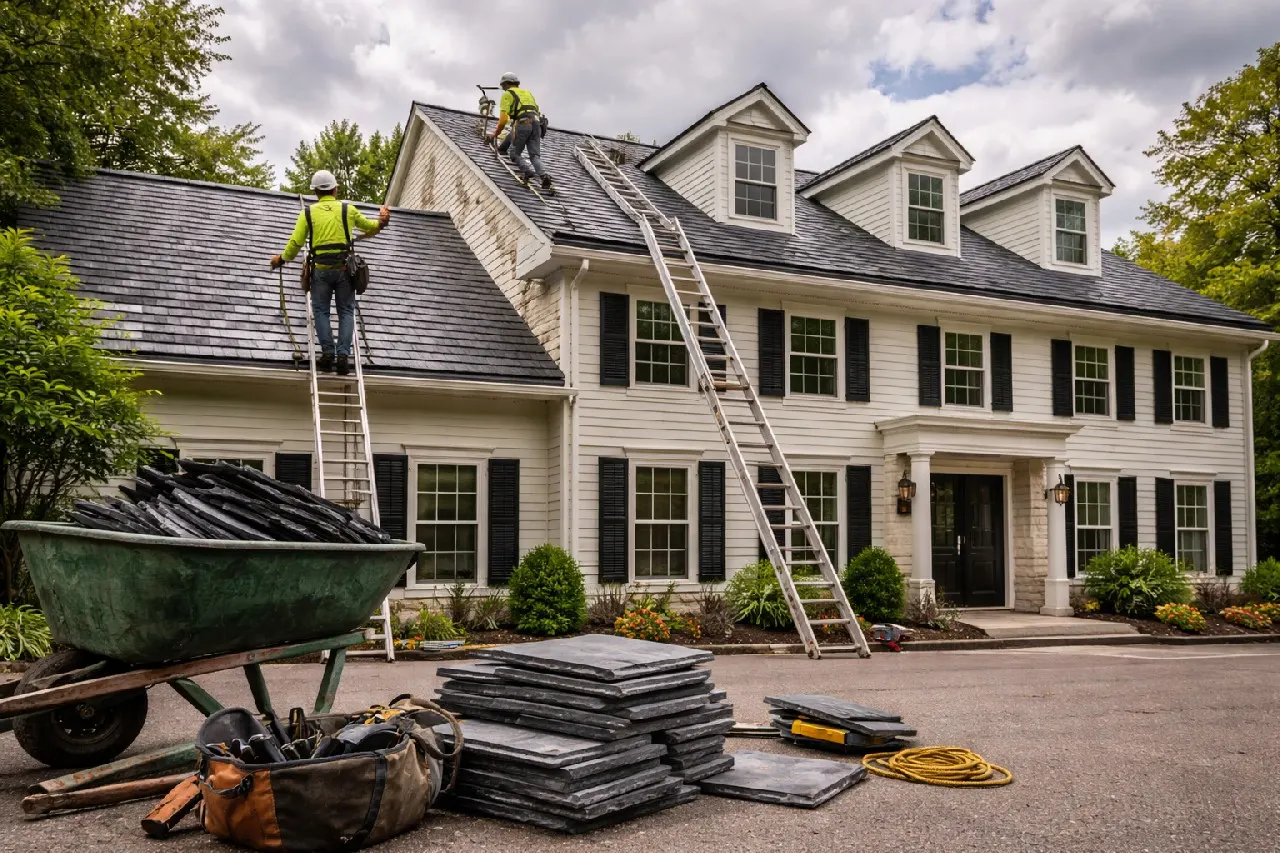
Optimizing Ventilation to Prevent Shingle Premature Aging
Picture this: Buffalo's summer sun bakes your attic to oven temps, trapping heat and moisture under the shingles. That combo cooks the asphalt right out of them, cracking granules and slashing lifespan by years. Skip proper airflow, and you're begging for early failure.
Why Bad Ventilation Kills Roofs Fast
- Heat buildup softens shingles, making them brittle in winter freezes.
- Trapped moisture breeds mold, rot, and shingle curl.
- Poor air escape means 20-30% shorter roof life, per industry stats.
Get it right with a balanced system. Install soffit vents at the eaves for cool air intake, paired with ridge vents up top for hot air exhaust. In Buffalo homes, aim for one square foot of vent area per 150 square feet of attic space. That pulls steady airflow, keeping temps even and shingles happy.
Pro tip: Check for blockages like old insulation first. Add a powered attic fan if natural vents fall short in tight spaces. We've boosted ventilation on leaky Buffalo roofs and watched them hit 25+ years without a hitch.
Case Study: Reviving a 1980s Buffalo Roof to 30-Year Glory
Picture this: A classic ranch-style home in Buffalo's West Side, built in the 1980s. The original asphalt shingles had soldiered through decades of lake-effect snow and brutal winds. But last winter's ice dams finally broke it—leaks everywhere, warped decking, the works.
We tore it all off down to the rafters. No shortcuts. Applied every trick from this guide: flawless deck prep, full ice and water shield coverage, precision nailing with high-performance shingles rated for 130 mph winds.
Key Steps That Turned It Around
- Roof deck repair: Fixed soft spots and added plywood overlays for rock-solid base.
- Ventilation upgrade: Installed ridge vents and baffles to kill attic heat buildup.
- Starter strips and six-nail technique: Locked everything against gusts off Lake Erie.
Fast forward six months. Zero leaks after a record 48-inch snowfall. Homeowner's energy bills dropped 15% from better airflow. This roof's primed to hit 2050 without flinching.
Proof these secrets work in real Buffalo homes. Not theory. Real results you can bank on.
Final Words
Your Buffalo roof deserves these secrets. Skip them, and you're rolling the dice on leaks and early replacement. Nail them, and that 30-year warranty turns real.
Ready to armor up? Call our crew today. We've transformed hundreds of Western New York homes with roofs that outlast the blizzards.
Don't wait for the next ice dam to strike. Dive deeper into pro techniques with our full guide on Asphalt Shingle Roof Installation. Your fortress starts now.
People Also Ask
How can asphalt shingles last 30 years in Buffalo's harsh winters?
Selecting high-performance architectural asphalt shingles with impact resistance and algae protection is crucial for enduring Buffalo's freeze-thaw cycles and heavy snow. Proper installation, including ice and water shields and optimal ventilation, prevents premature aging from moisture and heat buildup. With these secrets, many Buffalo roofs achieve their full 30-year warranty lifespan.
What are the best asphalt shingles for Buffalo NY roofs?
Look for Class 4 impact-rated architectural shingles from brands like GAF Timberline HDZ or CertainTeed Landmark, designed for extreme weather. These offer superior granule adhesion and UV protection against Buffalo's intense sun and storms. Professional installation ensures they meet local building codes for wind uplift resistance up to 130 mph.
How do you prevent ice dams on asphalt shingle roofs in Buffalo?
Install self-adhering ice and water shield along eaves, valleys, and penetrations to create a waterproof barrier against Buffalo's notorious ice dams. Ensure full roof deck preparation with proper underlayment and ventilation to minimize heat loss that causes melting and refreezing. This combination protects shingles from water infiltration and extends roof life significantly.
Why is roof ventilation critical for 30-year asphalt shingles in Buffalo?
Adequate attic ventilation prevents heat and moisture buildup, which accelerates shingle granule loss and cracking in Buffalo's humid summers and cold winters. Aim for a balanced intake and exhaust system providing 1 sq ft of vent per 150 sq ft of attic space. Optimized airflow keeps shingles cooler and drier, unlocking their full 30-year durability.
What installation tips ensure wind-resistant asphalt shingles in Buffalo?
Use precision nailing with 6 nails per shingle in high-wind zones, placed exactly 1 inch above the adhesive strip for maximum hold. Install high-quality starter strips along eaves to seal against wind-driven rain common in Buffalo lake-effect storms. These techniques exceed code requirements, providing uplift resistance for storms up to 110 mph.
Need Roofing Services?
Fast roof repairs and replacements deliver leak-proof protection in Buffalo, NY and nearby areas (14201, 14202, 14213, 14215, 14221).
Get Roofing Quote