


⚡ TL;DR: To protect your home in Bridgeport, this guide outlines essential wood shake roof installation practices, focusing on ventilation and moisture control to ensure your cedar roof lasts longer.
📋 What You’ll Learn
Installing wood shakes in Bridgeport requires specialized knowledge of our unique coastal climate. This guide helps you navigate critical installation pitfalls to ensure your cedar roof remains durable and beautiful.
- Identify specific coastal climate risks by learning how Bridgeport’s humidity and salt air affect wood shakes, allowing you to choose better materials that resist decay and moisture damage.
- Master proper ventilation techniques to protect your attic from trapped heat and moisture, which are primary causes of premature rotting, mold growth, and structural roof deck degradation.
- Select the right underlayment and fasteners to prevent premature failure, ensuring your cedar installation uses hardware that resists corrosion and allows the wood to breathe effectively throughout years.
- Understand professional spacing and alignment to ensure each shake can expand and contract naturally without buckling, preventing the common gaps that lead to interior leaks and damage.
📖 Reading time: 7 min
✍️ Author expertise: Master roofer in Bridgeport, CT with twenty years of hands-on cedar installation experience.
There is a specific, timeless look to a cedar shake roof that makes a Bridgeport home stand out instantly. But behind that beautiful aesthetic lies a complex installation process that ruins many homeowners' wallets before the first winter storm even hits.
Most roofing contractors treat wood shakes like standard asphalt shingles, and that is a massive, costly mistake. If you ignore the specific moisture requirements and ventilation needs of cedar in our coastal Connecticut climate, you are essentially setting your investment on fire.
Before you sign a contract or let a crew touch your roof, you need to know the specific traps that turn a premium home upgrade into a rotting headache. Here is exactly what you need to watch out for to ensure your wood shake roof lasts for decades instead of years.
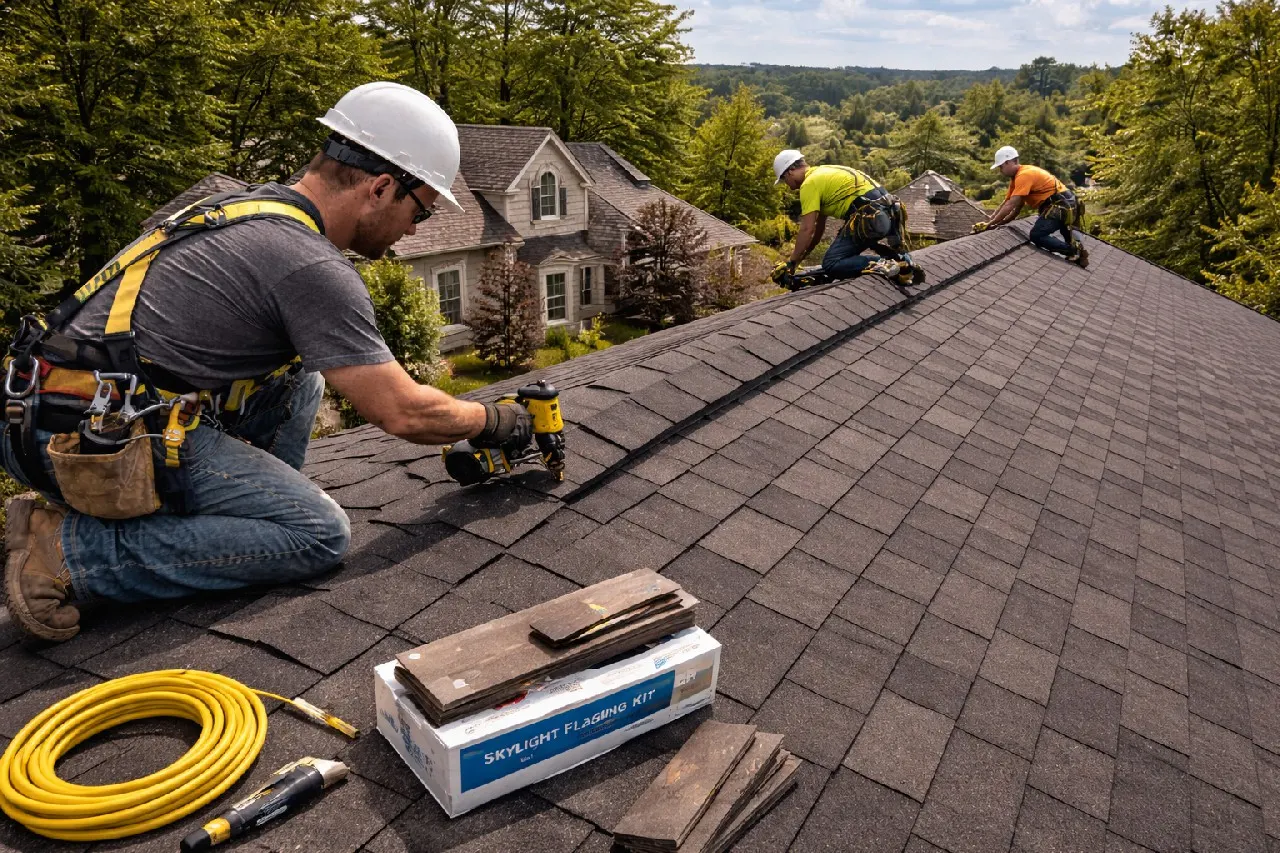
Understanding Bridgeport’s Coastal Climate and Wood Shake Vulnerability
Bridgeport sits right on the Long Island Sound, and while the ocean view is breathtaking, it creates a brutal environment for natural cedar. The salt air and persistent humidity act like a sponge for your roof, constantly testing the integrity of the wood.
If you don't account for the harsh moisture cycles of our coastal region, your cedar shakes will start to warp and split much faster than they should. Think of your roof as a living organ that needs to breathe, but in our humid climate, it often struggles to dry out.
To survive the Connecticut weather, you have to prioritize three main environmental factors:
- Salt air corrosion: Salt accelerates the chemical breakdown of untreated wood, leading to premature graying and structural weakness.
- High humidity levels: When the moisture content in the air stays high, the wood stays wet, providing the perfect breeding ground for moss and lichen.
- Freeze-thaw cycles: As water trapped inside the shakes freezes during our winter nights, it expands, causing the wood fibers to shatter from the inside out.
Ignoring these variables is how a premium, high-end installation turns into a massive repair bill within just five years. You aren't just installing a roof; you are managing a natural defense system against the aggressive salt-spray and damp atmosphere of the Sound.
The Danger of Poor Ventilation: Preventing Internal Decay and Mold
Most Bridgeport homeowners assume their roof is just a hat for the house. In reality, a cedar shake roof acts more like a living set of lungs that needs to breathe constantly.
When you trap hot, moist air inside your attic, you create a biological pressure cooker. Without proper airflow, that moisture migrates directly into the wood shakes, turning your expensive cedar into a damp sponge for mold, fungi, and rot.
If your contractor skips the installation of a high-quality ridge vent or fails to check the intake baffles, your roof will fail from the inside out. You aren't just losing shingles; you are inviting structural rot into your roof decking.
To avoid this silent killer, make sure your installation plan includes these non-negotiable ventilation standards:
- Continuous ridge vents that allow hot air to escape at the highest point of the roof.
- Soffit intake vents that pull fresh, dry air into the attic space to displace moisture.
- Proper attic insulation dams to ensure that airflow paths aren't blocked by fluffy fiberglass or cellulose.
Ignore these air circulation requirements, and you will see your cedar shakes warp, cup, and turn black with mildew within just two or three seasons. It is an expensive lesson that most Bridgeport residents cannot afford to learn twice.

Critical Installation Errors: Improper Underlayment and Fastener Choices
The biggest sin a roofer can commit when installing cedar shakes in Bridgeport is using the wrong barrier between the wood and the deck. If your contractor uses standard asphalt felt paper that doesn't breathe, you are inviting moisture to get trapped against the underside of the wood.
This creates a sauna effect. Once that moisture hits the cedar, it starts rotting from the inside out long before you notice any visible damage from the ground.
To avoid a total premature failure, insist on using high-quality synthetic underlayment that allows the roof to breathe. You need a system that repels water from the outside while letting condensation escape from the bottom.
The Fastener Trap
Many crews try to cut costs by using generic steel nails. This is a guaranteed recipe for disaster in a coastal city like ours, where the salty air and heavy humidity will attack metal the second it hits the deck.
- Generic steel nails will corrode rapidly and streak your roof with ugly black stains.
- Once the nail head rusts and breaks, the cedar shake loses its grip and becomes a projectile during a Bridgeport nor'easter.
- Always demand stainless steel or high-grade hot-dipped galvanized fasteners.
Don't let a contractor tell you that their standard nails are fine for the job. If they aren't using corrosion-resistant hardware, they are cutting corners that will cost you thousands in repairs later.
Check the fastener specs before the shingles even arrive at your home. It is the simplest way to tell if you are dealing with a pro or an amateur who is just looking to finish fast.
Why Cedar Requires Precision: Mastering the Art of Proper Spacing
Cedar shakes are a living material, and they behave like a sponge. They expand when the Bridgeport humidity spikes and they shrink during our bone-dry, freezing winters.
If your installer treats them like rigid asphalt shingles and packs them tight, you are asking for trouble. Without proper expansion gaps, the wood will buckle, crack, or pop off the nails as soon as the first humid stretch hits.
The golden rule for cedar shake installation is consistent, calculated spacing. When shakes are installed with zero room to breathe, they trap water against the roof deck.
This trapped moisture is the number one cause of rot in our coastal climate. To keep your cedar roof functional, your contractor must follow these spacing standards:
- Leave a 1/4 to 3/8 inch gap between every shake.
- Ensure the vertical joints between shakes are offset by at least 1.5 inches in adjacent courses.
- Avoid double-lapping or tight-fitting patterns that prevent airflow between the individual pieces of wood.
Think of these gaps as the lungs of your roof. When your roof can breathe, it dries out quickly after a Nor’easter or a summer downpour.
When it cannot, the wood stays damp. That dampness leads directly to premature cupping and splitting, which usually forces a complete roof replacement within a few short years.
Don't let a hurried crew skip this step. A professional installer knows that the gaps are not a sign of poor work, but rather the secret sauce to a roof that stands the test of time.
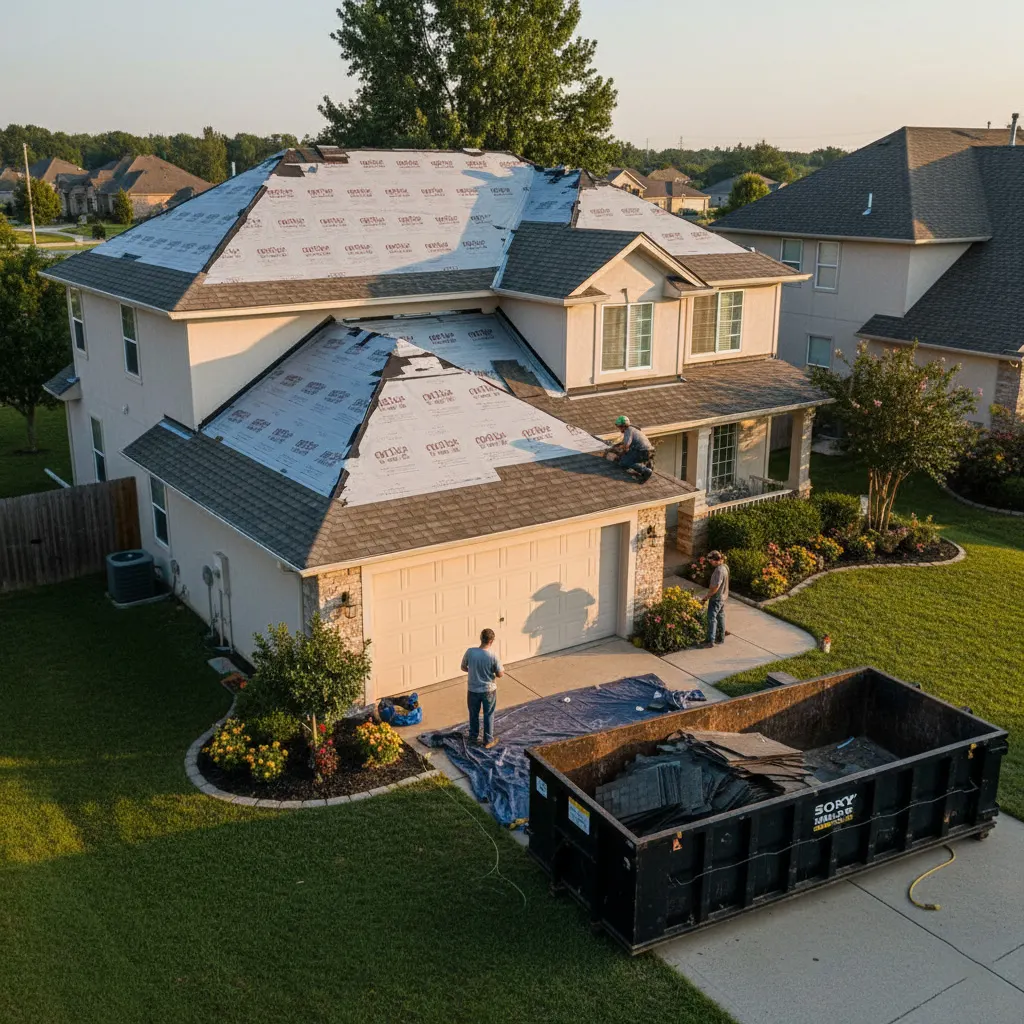
Case Study: Correcting Moisture Damage in a Historic Bridgeport Colonial
Last spring, we were called to a historic colonial near Black Rock Harbor. The homeowner had invested in a premium cedar shake roof only four years prior, yet the interior ceilings were already showing dark, spreading mold stains.
Upon inspection, the reality was grim. The previous installers had treated the roof like a standard asphalt job, failing to account for the salt-heavy air and the constant humidity of the Long Island Sound.
Here is what we discovered during the teardown:
- The underlayment was installed with zero air gap, effectively sealing moisture against the roof deck.
- Galvanized nails were used instead of high-grade stainless steel, leading to rapid corrosion from the coastal breeze.
- There was a complete lack of proper breather strips at the eaves, choking off the ventilation the wood desperately needed to dry out after a storm.
The outcome was a total system failure. Because the shakes couldn't breathe, the moisture became trapped between the wood and the deck, turning the underside of the shingles into a soggy sponge.
This wasn't just poor workmanship; it was a fundamental misunderstanding of coastal roofing physics. We had to perform a full tear-off and replace the rot-damaged deck before we could even begin the installation correctly.
The lesson here is simple. If your contractor doesn't understand why a cedar roof in Bridgeport needs to breathe, find someone else. Otherwise, you’re just paying for a slow-motion disaster that will destroy your home from the top down.
The Importance of Professional Maintenance and Quality Cedar Selection
You cannot cheat physics, and you certainly cannot cheat wood. The lifespan of your roof is determined the second the timber is graded at the mill.
If you choose low-grade cedar filled with sapwood or flat-grain pieces, no amount of skilled labor will save you. You need all-vertical grain, edge-grain cedar to ensure the wood resists warping and splitting under the stress of Connecticut’s humidity.
Buying cheap shakes is the fastest way to turn your roof into a high-maintenance liability. Stick to these standards when vetting your materials:
- Demand Blue Label Certigrade cedar: This ensures the highest quality and grade for your shakes.
- Prioritize fire-treated options: Local Bridgeport codes often require it, and it adds a layer of safety for your family.
- Avoid bargain-bin shakes: If the price seems too good to be true, you are buying "utility grade" wood that will fail in under a decade.
Once that wood is secured to your rafters, the job isn't finished. Cedar is a living material that needs to breathe, but it also needs help fighting off the elements.
Professional maintenance is not optional if you want to avoid premature rot. You should have a qualified roofer perform a bi-annual inspection to clear debris that traps moisture against the wood surface.
Keep a close watch on these critical areas during your inspections:
- Moss and lichen buildup: These organisms act like sponges, holding water exactly where your roof needs to stay dry.
- Clogged gutters and valleys: When drainage is blocked, water wicks upward, leading to rapid decay of the shake butt ends.
- Curled or split shakes: Identifying a single damaged shake early allows for a surgical repair rather than a total roof replacement.
Final Words
Your roof is the most expensive piece of armor your home owns. When you decide on a premium cedar shake, you are not just buying materials; you are buying a living system that requires specific care.
If you treat it like a cheap box of asphalt, it will fail you long before it has earned its keep. Do not let a general contractor learn on your dime.
Before you commit to a major project, you should brush up on the technical realities found in our Wood Shake Roof Installation guide. Knowing the standard allows you to spot the hacks before they nail the first board.
The Golden Rules for Longevity
To ensure your Bridgeport home stays dry for decades, keep these three non-negotiables in mind:
- Select Premium Grade Cedar: Avoid "flat grain" wood that warps. Insist on vertical grain, also known as edge grain, to ensure stability.
- Demand Stainless Steel Fasteners: In a salt-air environment like ours, standard nails will corrode and loosen within a few years. Use 304 or 316 stainless steel to prevent rust streaks and premature shingle pull-out.
- Verify the Ventilation Gap: Never install shakes directly onto a solid deck without a breather mat. Cedar must breathe from the backside to survive Connecticut winters.
Quality cedar work is a dying craft. It demands patience, proper spacing, and an absolute refusal to cut corners.
If your contractor rushes the job, your investment is already compromised. Hire for precision, not the lowest bid, and you will enjoy a roof that is the envy of your neighborhood.
People Also Ask
Is wood shake roofing a good choice for Bridgeport homes?
Wood shakes offer a beautiful, classic aesthetic that complements historic Bridgeport architecture. However, due to our humid coastal climate, they require high-quality cedar and professional installation to prevent rot and moisture damage.How long should a wood shake roof last in Connecticut?
When installed correctly with proper ventilation, a cedar shake roof in Connecticut typically lasts between 25 and 40 years. Frequent maintenance, such as clearing debris and cleaning, is essential to maximize this lifespan against local weather extremes.What is the most common mistake when installing cedar shakes?
The most frequent error is failing to provide adequate airflow under the shakes, which traps moisture and accelerates decay. Improper fastener choice, such as using non-corrosive-resistant nails, can also lead to premature roof failure.Do wood shake roofs require a specific type of underlayment?
Yes, using a high-quality, breathable synthetic underlayment is critical to protect the roof deck from moisture. Avoiding traditional asphalt felt in favor of modern, moisture-wicking materials helps the wood breathe and prevents trapped condensation.How can I protect my wood shake roof from Bridgeport’s salt air?
To combat salt air corrosion, you must use stainless steel fasteners during installation to prevent chemical reactions with the wood tannins. Regularly treating the shakes with specialized preservatives can also help maintain their structural integrity against coastal humidity.Need Roofing Services?
We complete roofing repairs and replacements quickly to deliver lasting protection against weather for homes in Bridgeport and nearby areas (06604, 06605, 06606, 06610).
Get Roofing Quote