


⚡ TL;DR: This guide details how proactive roof maintenance helps Bridgeport homeowners protect their properties from coastal weather damage while explaining common inspection tasks and ways to select professional partners.
📋 What You’ll Learn
Protecting your home from Bridgeport’s unpredictable coastal weather requires proactive care. This guide outlines the essential maintenance strategies needed to extend your roof's lifespan and avoid costly repairs throughout Connecticut's seasons.
- Understand the climate impact on your roof's longevity by exploring how Bridgeport's unique coastal winds and heavy storms dictate the specific maintenance frequency required for your home's exterior safety.
- Compare preventive care costs against emergency repair bills to see exactly how regular professional inspections save you money while preventing minor moisture leaks from becoming major structural failures.
- Identify key warning signs that indicate your roof needs immediate attention, such as missing shingles, granule loss, or internal ceiling stains, before water damage compromises your home's interior integrity.
- Select a qualified contractor who understands regional building codes and historical preservation standards, ensuring your roof receives the specialized care necessary to withstand New England's harsh winter conditions.
📖 Reading time: 7 min
✍️ Author expertise: Master roofing contractor with twenty years of field experience protecting Bridgeport area homes.
Most Bridgeport homeowners don’t give their roof a second thought until a ceiling stain appears or a shingle blows off during a nor'easter. By then, a simple fix has often spiraled into a costly emergency that wreaks havoc on your bank account.
You work hard for your money, and the last thing you want is to pour it into a preventable structural disaster. A little proactive care goes a long way in keeping your home bone-dry and your wallet intact.
We are pulling back the curtain on exactly what it takes to protect your home from the harsh Connecticut weather. Keep reading to discover how to budget for your roof and keep your property safe from the elements.
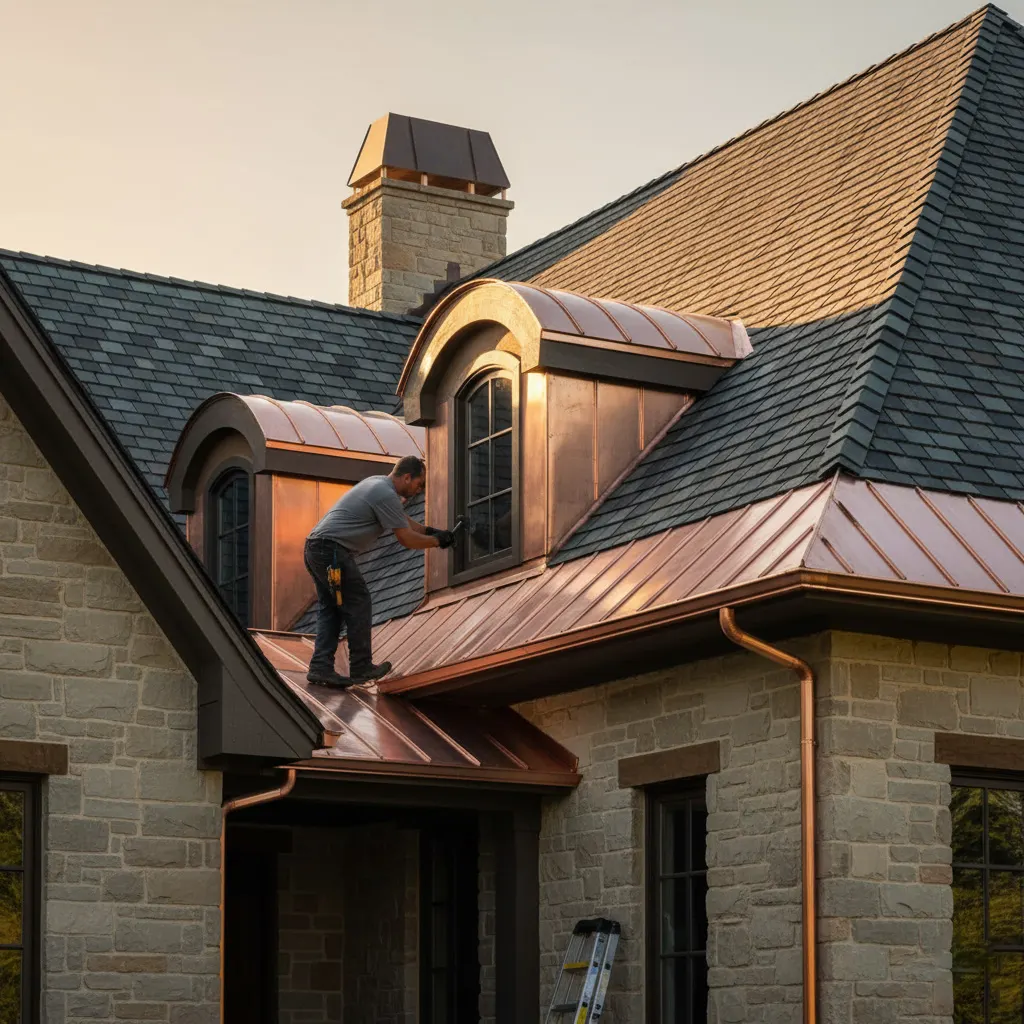
Why Bridgeport’s Coastal Climate Demands Specialized Roof Maintenance
Bridgeport sits right on the Long Island Sound, and that location comes with a price. We get slammed by salty air, aggressive humidity, and wind gusts that turn minor roofing issues into major leaks overnight.
Most roofing materials across the country don't have to deal with the corrosive salt spray we see here. That salt accelerates the breakdown of shingles and can eat away at metal flashing faster than you might think.
Your roof is constantly battling a unique set of regional stressors that require more than a "set it and forget it" mindset. Consider the specific threats facing your shingles:
- Salt air corrosion: This gradually breaks down protective granules on asphalt shingles, exposing the underlying layers to moisture.
- Rapid temperature swings: Connecticut seasons cause materials to expand and contract, which can snap seals and pull nails loose.
- Nor'easters and wind: These storms exert immense uplift pressure on roof edges, finding any weak spot to peel shingles back.
- High humidity: Constant moisture creates the perfect environment for moss, algae, and fungus to take root in your shingles.
When you ignore these regional factors, you are essentially gambling with your home's integrity. Routine maintenance isn't just about cleaning gutters; it is about proactive defense against a climate that never stops trying to break down your exterior.
The True Cost of Roof Neglect: Repair Expenses vs. Preventive Care
Think of your roof like a car engine. If you ignore oil changes for years, you are eventually going to face a seized motor that costs thousands to replace. Roofing works the exact same way.
When you skip preventive care, you aren't saving money; you are simply taking out a high-interest loan on a future disaster. A minor leak, left unchecked for even a single season, can lead to rotting rafters, moldy insulation, and drywall damage that costs five times what a routine inspection would have run you.
Consider the math of neglect versus proactive upkeep:
- Preventive Maintenance: A few hundred dollars per year for clearing debris and catching small gaps early.
- Emergency Repairs: Often costing thousands to address water infiltration, structural rot, or sudden interior damage.
- Full Replacement: The ultimate price tag of waiting until the entire system fails, which can easily reach five figures.
Most homeowners assume their roof is bulletproof until the day it isn't. By the time you spot a water spot on your ceiling, that moisture has already traveled a long, destructive path through your home’s skeletal structure.
Fixing the symptom—the stain—is useless if you ignore the source. You end up paying for a roofer, a painter, and potentially a contractor to fix structural wood, turning a small bill into a major financial headache.
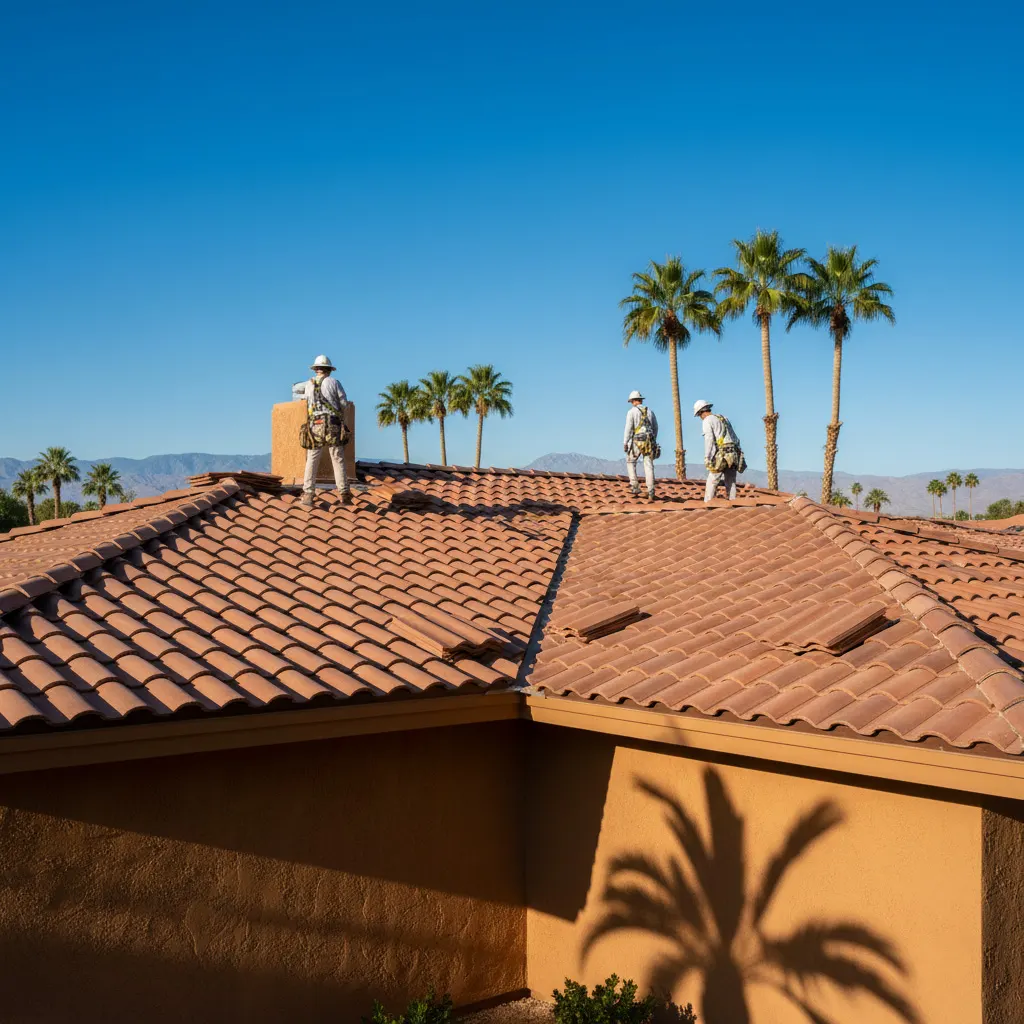
Essential Maintenance Tasks Every Connecticut Homeowner Should Schedule
Your roof is the primary barrier between your family and the unpredictable Connecticut seasons. If you wait for a disaster to happen, you have already lost. To keep your home solid, you need to commit to a predictable maintenance schedule that tackles small issues before they become expensive nightmares.
At a minimum, you should have a professional inspect your roof twice a year. The best times are immediately after the harsh winter thaw and once more in the late autumn before the first heavy frost hits Bridgeport.
Here is what your maintenance checklist should include to keep your roof in top shape:
- Clear the Debris: Remove leaves, pine needles, and branches from your gutters and valleys. Trapped moisture is the fastest way to rot your roof decking and invite mold into your attic.
- Inspect Flashing Seals: Check the metal strips around your chimney, vents, and skylights. If these seals are cracked or pulling away, water will seep directly into your insulation.
- Check for Granule Loss: If you see bald spots on your shingles or find grit in your gutters, your roof is aging faster than it should. This loss leaves the asphalt mat exposed to direct UV radiation and heat damage.
- Trim Overhanging Branches: Large limbs hanging over your roof are potential projectiles during a storm. Cut them back to stop moss growth and prevent mechanical damage to your shingles.
Don't fall into the trap of thinking a visual check from the driveway is enough. You need to physically examine the attic for signs of light penetration or water staining during a heavy downpour. If you aren't comfortable climbing a ladder, hire a local professional to walk the surface. It is a minor expense that secures the biggest asset you own.
Recognizing the Signs: When Your Roof Needs a Professional Inspection
Your roof talks to you, but most homeowners are not listening until water is literally dripping onto their floorboards. If you wait for a leak, you have already waited too long.
You need to play detective before the damage becomes structural. Keep a sharp eye out for these telltale red flags that demand an immediate professional assessment:
- Curling, cracked, or completely missing asphalt shingles.
- Granule buildup in your gutters, which looks like coarse sand.
- Visible daylight peeking through the roof boards when you are in the attic.
- Discolored or damp spots on your ceiling or interior walls.
- Rusted or bent flashing around your chimney and vent pipes.
Do not dismiss a small patch of moss or a few loose shingles as cosmetic issues. Nature is patient, and that moisture is busy rotting your roof deck right under your nose.
If your home is over fifteen years old, it is time to stop playing the guessing game. Even if everything looks perfect from the sidewalk, high winds and seasonal temperature swings in Bridgeport can compromise your sealants and fasteners without leaving a single visible trace from the ground.
Getting a professional inspection now is cheap insurance. It stops you from paying for a massive, full-scale replacement down the road because you ignored a handful of shingles that decided to retire early.

5. Restoring a Historic Bridgeport Property: A Roof Preservation Case Study
Bridgeport is home to a rich architectural heritage, from Victorian-era beauties in the North End to charming colonials near the coast. When you own a historic property, your roof is not just a shield; it is a vital part of the home's historical character.
We recently consulted on a century-old home that was leaking due to aging flashing and brittle slate tiles. The owner was initially tempted to strip it all off for modern asphalt shingles, but we convinced them that preservation was the smarter financial move.
By opting for targeted restoration instead of a full tear-off, the homeowner kept the home's authentic look while saving thousands on disposal and new materials. Here is how we approached that specific project:
- Sourced matching slate tiles to replace missing or cracked units.
- Installed high-grade copper flashing, which lasts decades longer than standard aluminum in salt air.
- Re-sealed traditional chimney masonry to prevent water seepage from the top down.
- Added proper ventilation to protect the original attic timber from rot.
The result? A roof that honors the home's original integrity while performing like a modern system. Preserving historic roofs requires a specialized touch, as you are working with materials that require precise craftsmanship rather than a hammer and nails approach.
If you own an older home, stop treating your roof like a standard commodity. It is a custom asset that demands respect, and with the right maintenance plan, it will stand for another century.
Selecting the Right Roofing Partner for Long-Term Structural Integrity
Hiring just anyone with a truck and a ladder is a gamble you cannot afford in a coastal city like Bridgeport. You need a contractor who understands how salty air and heavy snow loads affect local materials.
When vetting potential roofing companies, look for more than just a low price. The cheapest quote often hides inferior materials or inexperienced labor that will haunt you during the next winter storm.
Checklist for Vetting Your Roofing Contractor
- Verify they hold a valid Connecticut Home Improvement Contractor registration.
- Ask for proof of general liability and workers' compensation insurance to protect your property from mishaps.
- Look for factory-certified installers who provide manufacturer-backed warranties rather than just a handshake guarantee.
- Request local references from Bridgeport homeowners who have lived with the roof for at least five years.
A true professional will not pressure you into a high-pressure sales pitch. They should act as a consultant, showing you photos of their work and explaining why specific materials perform better in our specific zip codes.
If they cannot explain the difference between architectural shingles and traditional options, or if they ignore ventilation requirements, keep walking. Your goal is to find a partner committed to long-term performance, not a quick, sloppy job that needs a patch within six months.
Final Words on Protecting Your Investment and Peace of Mind
Your home is likely the single biggest purchase you will ever make. Treating your roof as an afterthought is a gamble that Bridgeport weather will eventually force you to lose.
Consistent Roof Maintenance shifts you from reactive panic to proactive control. When you catch small leaks or loose flashings early, you turn potential four-figure repair bills into minor, budget-friendly upkeep costs.
To keep your home protected, focus on these three habits:
- Schedule professional inspections every spring and autumn.
- Clear your gutters of Connecticut debris before the first frost hits.
- Address any moss or algae buildup before it compromises your shingle integrity.
Taking action now buys you something more valuable than just a dry ceiling. It buys you peace of mind knowing your family is safe underneath a sound structure.
Don't wait for the next coastal storm to show you the weak spots in your armor. Reach out to a trusted expert today and take command of your home's long-term structural health.
People Also Ask
How often should I have my roof inspected in Bridgeport?
Because of Bridgeport's harsh coastal weather and salt air, we recommend professional roof inspections at least once a year. Scheduling an inspection in the spring allows experts to address any damage caused by winter ice dams or heavy snow before the summer storm season arrives.What is the average cost of roof maintenance in Connecticut?
Routine roof maintenance in Connecticut typically ranges from $300 to $700 depending on the size of your home and the specific services required. Investing in these minor upkeep tasks is significantly more affordable than the high costs associated with major emergency repairs or premature roof replacement.Does coastal salt air damage roofs in Bridgeport?
Yes, the saline environment along the Long Island Sound can accelerate the corrosion of metal flashing, fasteners, and other roof components. Constant exposure to salt spray significantly shortens the lifespan of roofing materials, making regular cleaning and protective treatments essential for longevity.Can I perform roof maintenance myself or should I hire a professional?
While you can safely perform simple tasks like clearing debris from gutters from the ground, climbing onto a roof is extremely dangerous and requires specialized safety equipment. Hiring a professional ensures that small issues like loose shingles or compromised seals are identified and fixed correctly without risking personal injury.What are the first signs that my roof needs maintenance?
Common warning signs include finding shingle granules in your gutters, visible water stains on your ceiling, or moss and algae growth on the roof surface. If you notice any sagging areas or see light coming through your attic deck, you should contact a professional immediately to prevent interior water damage.Need Roofing Services?
We complete roofing repairs and replacements quickly to deliver lasting protection against weather for homes in Bridgeport and nearby areas (06604, 06605, 06606, 06610).
Get Roofing Quote