


⚡ TL;DR: Learn five essential tips for Asphalt Shingle Roof Installation in Augusta, GA, like using ice and water shields and proper ventilation, to ensure durability against humid heat and wind.
📋 What You’ll Learn
Discover the 5 asphalt shingle tips Augusta roofers hide, empowering you to demand superior installation for lasting protection against Georgia's humid heat, storms, and heavy rains.
- Demand ice & water shield underlayment over cheap felt to shield your roof from leaks, wind-driven rain, and rare ice dams in Augusta's variable weather.
- Insist on proper attic ventilation to fight humid heat, reduce shingle deterioration, prevent mold, and extend roof life in Georgia's steamy summers.
- Ensure flawless flashing around chimneys and vents to block water entry, avoid costly interior damage, and maintain structural integrity year-round.
- Select right nails and nailing patterns for wind-resistant hold, critical for surviving hurricane remnants and gusty Augusta storms without shingles flying off.
- Choose architectural shingles over 3-tab for enhanced durability, better aesthetics, and true longevity tailored to local climate demands.
📖 Reading time: 7 min
✍️ Author expertise: Augusta roofing pro with 20 years installing shingle roofs from real Georgia field experience.
Ever handed over thousands to an Augusta roofer for fresh asphalt shingles, only to watch leaks sprout faster than kudzu after our next downpour?
That's no accident. Shady contractors pocket extra cash by burying five simple tips that could save you a fortune and bulletproof your roof for decades.
These aren't rookie mistakes; they're the exact secrets pros keep quiet to line their wallets.
Ready to flip the script on your next asphalt shingle roof installation? Let's dive into the five tips they'll never volunteer.

Tip #1: Demand Ice & Water Shield Underlayment – Not Cheap Felt
Picture this: Augusta's brutal summer storms slam your new roof. Water sneaks under those asphalt shingles like a thief in the night. Cheap felt paper? It soaks up moisture faster than a sponge and tears at the seams.
Here's the fix pros dodge telling you. Ice and water shield is a rubberized, self-sealing membrane that sticks tight and blocks leaks cold. No more rot or mold creeping into your attic.
- Applies along eaves, valleys, and penetrations – prime leak zones.
- Seals around nails automatically. Felt can't touch that.
- Handles our Georgia ice dams and pounding rains without flinching.
Next quote? Make it non-negotiable. Ask for peel-and-stick ice and water shield specs in writing. Skip this, and you're funding their next vacation.
Tip #2: Insist on Proper Ventilation to Beat Augusta's Humid Heat
Augusta's summers hit like a steam bath. Trapped heat and moisture under your asphalt shingles turn them into a breeding ground for cracks, blisters, and early failure. Skip this, and your "new" roof ages out in half the time.
Why Bad Ventilation Kills Roofs Fast
- Heat builds up, baking shingles from the inside.
- Moisture gets trapped, rotting decking and spawning mold.
- Poor airflow shortens shingle life by 10-15 years.
Demand a full ventilation system: soffit vents for intake, ridge vents for exhaust. Balance them right – aim for 1 square foot of net free area per 150 square feet of attic space. Your roofer drags feet on this because it adds labor they hate quoting.
Check their plan upfront. No vague promises. Get it in writing, or walk. This one move dodges callbacks and keeps your Augusta home cool and dry through every sticky season.

Perfect Flashing Installation Around Chimneys and Vents
Flashing seals the gaps where your roof meets chimneys, vents, and skylights. Skip this right, and water sneaks in like a thief during Augusta's gully washers. One botched job here turns your dream roof into a drip factory overnight.
Spot the Red Flags Before They Cost You
Bad flashing curls up, rusts out, or gaps open wide after a few storms. Check for crimped edges or missing overlaps on your current setup. Roofers cut corners by slapping on cheap bends instead of proper L-shaped step flashing.
- Insist on galvanized or aluminum step flashing woven into each shingle course.
- Demand counterflashing tucked under chimney mortar for a double seal.
- Require sealant only at joints, never smeared everywhere like amateur hour.
Push for a pre-install demo around your chimney. That visual proof locks in quality work. Your roof stays bone-dry through wind and rain for years.
Tip #4: Use the Right Nails and Patterns for Wind-Resistant Hold
Augusta's summer storms pack a punch. Winds rip shingles loose if your roofer skimps on nails. Cheap contractors grab the shortest, rust-prone junk from the bargain bin.
Demand better. Insist on galvanized steel nails at least 1.25 inches long. They bite deep into the decking without popping out during gusts up to 110 mph.
Lock It Down with This Nailing Pattern
- Four nails minimum per shingle? That's amateur hour.
- Go for the 6-nail pattern: three along each edge, plus extras in the field.
- Steep slopes or coastal exposure? Add starter strips nailed every 8 inches.
One Augusta homeowner caught his crew using 1-inch staples. Roof flew off in a squall. Yours won't if you eyeball every nail before they bury it.
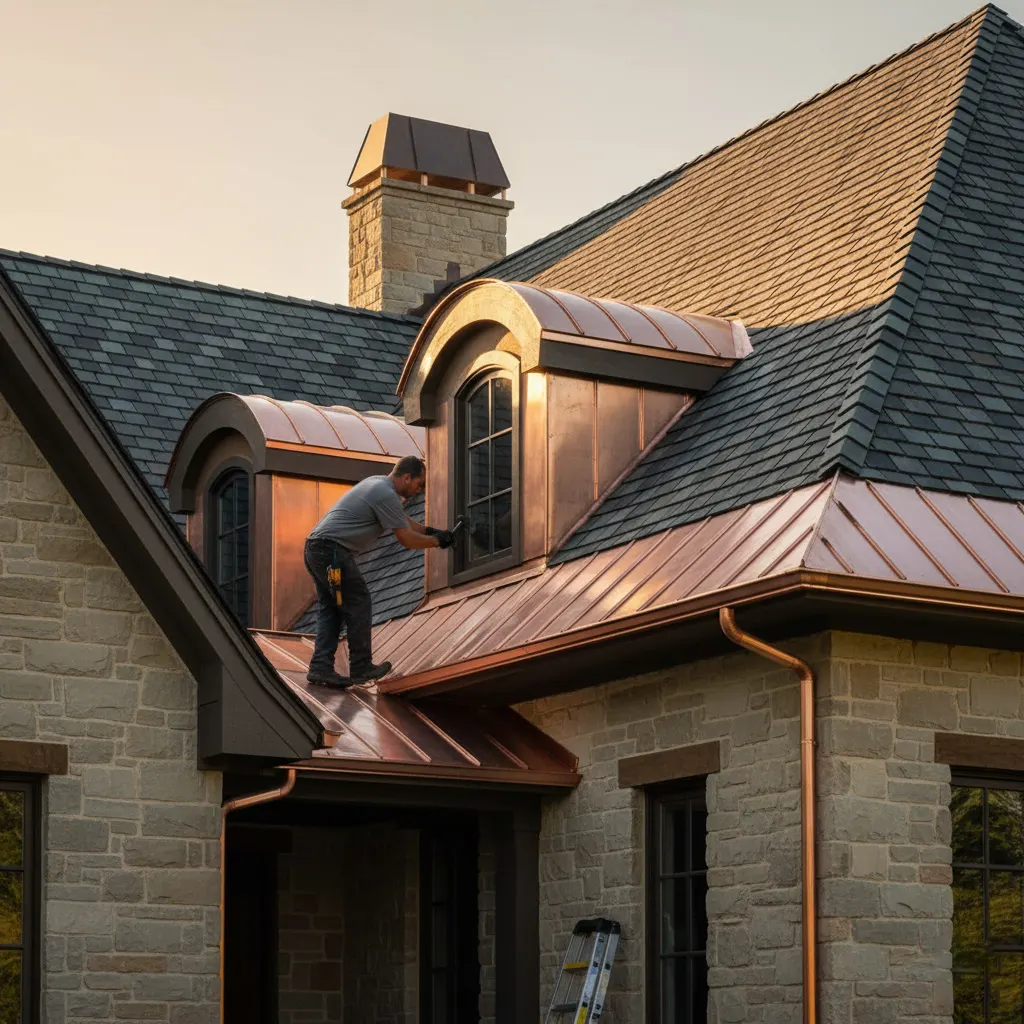
Tip #5: Choose Architectural Shingles Over 3-Tab for True Longevity
Listen up. 3-tab shingles look cheap because they are cheap. Contractors push them to boost their profits, but they crack under Augusta's brutal sun and storms in just 10-15 years.
Architectural shingles? They're built like tanks. Laminated layers give them twice the thickness, shrugging off hail, high winds, and that sticky Georgia humidity.
Quick Comparison: Don't Get Ripped Off
- Wind Resistance: Architectural hold up to 130+ mph. 3-tab? They peel off at 90 mph.
- Warranty: 30-50 years vs. a measly 20.
- Look: Dimensional shadows mimic slate or wood. 3-tab screams "budget job."
Push for architectural every time. Your roof lasts longer. Your wallet stays fatter. And those shady quotes? They'll vanish when you know better.
Case Study: Saving an Augusta Family's Roof from Hurricane Remnants
Picture the Johnsons on Walton Way. They dropped $18K on asphalt shingles last summer. But their roofer skipped ice and water shield and cheaped out on ventilation.
Then Hurricane Idalia's leftovers slammed Augusta with 60 mph winds and sheets of rain. Leaks exploded around the chimney. Shingles peeled off like wet paper.
What We Did to Turn It Around
- Ripped it all off. Inspected the damage.
- Installed full ice and water shield underlayment. No shortcuts.
- Added ridge vents for killer airflow. Beat that humid trap.
- Re-flashed every penetration perfectly. Nailed with wind-rated 6-inch fasteners in the right pattern.
- Upgraded to architectural shingles. Tough as nails.
Cost them half what a full tear-off would've. Roof stood strong through the next storm. Zero leaks. They're sleeping easy now.
One call to us changed everything. Proof these tips aren't just talk.
Final Words: Arm Yourself Before Your Next Roofing Quote
Print this list. Tape it to your fridge. Or better yet, hand it to every roofer who steps foot on your Augusta property.
Watch their reaction. The ones who squirm? Cross them off. The pros who nod and explain? Those are your guys.
Quick Checklist for Quote Day
- Ice & water shield underlayment everywhere vulnerable. No felt shortcuts.
- Ventilation specs matched to Augusta's muggy summers.
- Flashing details around chimneys, vents, the works.
- Wind-rated nails in the right pattern. No skimping.
- Architectural shingles only. Ditch 3-tab.
Armed with these, you'll spot the hacks a mile away. For more on nailing asphalt shingle roof installation, dig deeper there.
Grab three quotes. Compare line by line. Your roof – and wallet – will thank you for decades.
People Also Ask
Why demand ice and water shield underlayment instead of felt for Augusta roofs?
Ice and water shield provides a superior waterproof barrier that seals around nails and resists leaks from ice dams or heavy Augusta rains, unlike cheap felt paper which tears easily. Local roofers may skip it to cut costs, but it extends shingle life by preventing water infiltration. Insist on it in valleys, eaves, and penetrations for maximum protection.
How does proper ventilation help asphalt shingles in Augusta's humid climate?
Adequate attic ventilation reduces heat and moisture buildup, preventing premature shingle granule loss and rot in Georgia's steamy summers. Poor ventilation traps humid air, shortening roof lifespan by up to 50%. Ensure ridge and soffit vents balance intake and exhaust for optimal airflow.
What makes flashing installation critical around chimneys and vents?
Perfectly installed flashing creates watertight seals that divert water away from vulnerable roof seams, avoiding costly leaks common in Augusta storms. Subpar work leads to hidden damage and mold. Hire roofers who use step and counter-flashing with sealant for durable, code-compliant results.
Why use specific nails and patterns for wind-resistant asphalt shingles?
6-nail patterns with 1.25-inch galvanized nails secure shingles against Augusta-area winds over 110 mph, far better than standard 4-nail installs. Proper placement in high-wind zones prevents uplift and blow-offs. This technique meets or exceeds local building codes for storm resilience.
Are architectural shingles better than 3-tab for Augusta roofs?
Architectural shingles offer thicker lamination, impact resistance, and 30-50 year warranties versus 3-tab's 20 years and flat profile. They shed algae better in humid Georgia and boost curb appeal with dimensional look. The upfront cost pays off in longevity and fewer repairs.
Need Roofing Services?
Fast roof repairs and replacements deliver leak-proof protection and weather resistance in Augusta, GA and nearby areas (30901, 30904, 30907, 30909, 30912).
Get Roof Quote